
Search Result
Found "1895" results return by the query.
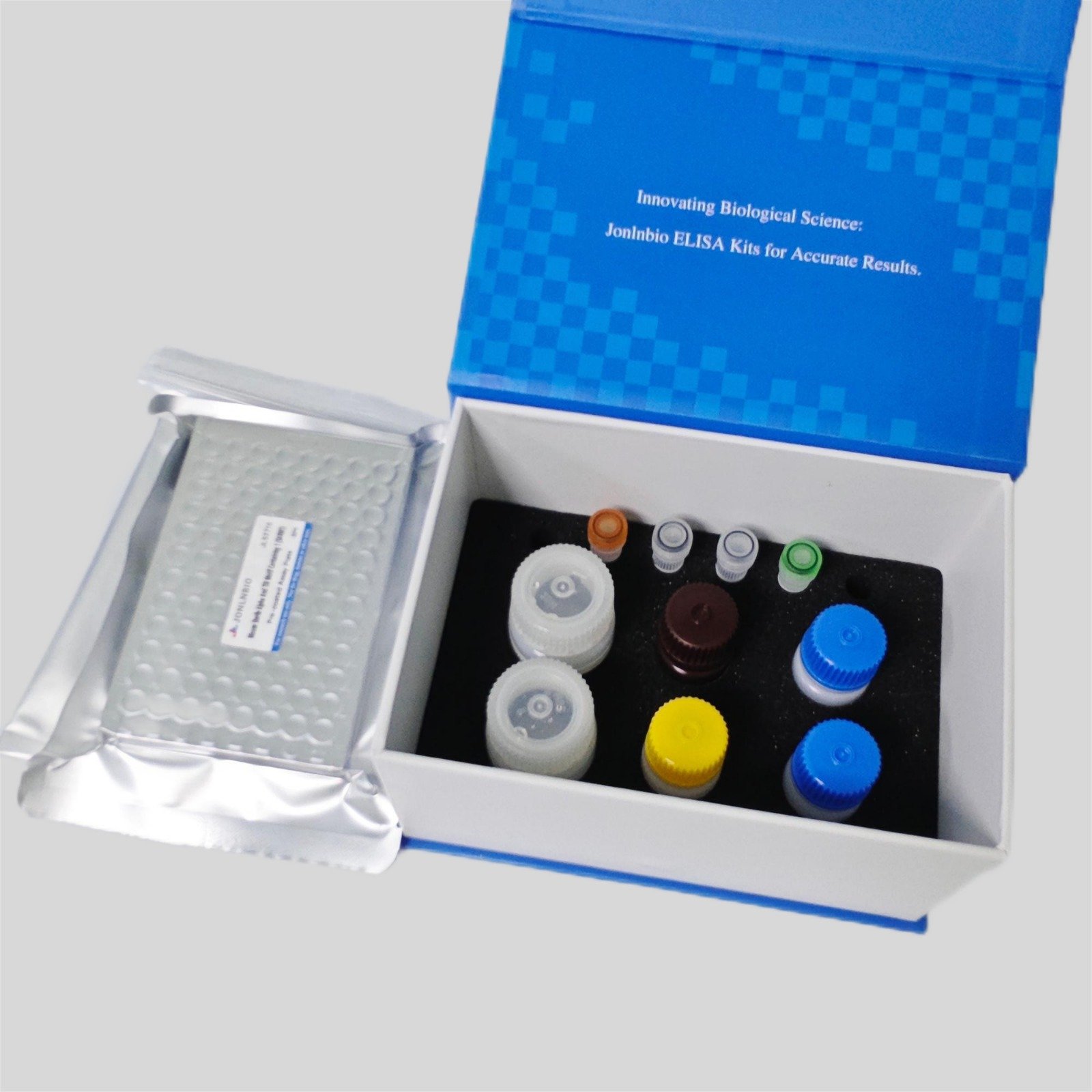
Manufacturer: Jonlnbio
Oxytocin (OT) is a polypeptide hormone and neuropeptide normally produced by the hypothalamus and released by the posterior pituitary gland. It plays a role in social relationships, reproduction, labor and delivery and during the postpartum period. It acts as a hormone that is released into the bloodstream during sexual activity and childbirth. In either form, oxytocin stimulates uterine contractions and speeds up the labor process. The production and secretion of oxytocin is controlled by a positive feedback mechanism in which its initial release stimulates the production and release of further oxytocin. For example, when oxytocin is released during uterine contractions at the beginning of labor, this stimulates the production and release of more oxytocin and increases the intensity and frequency of contractions. This process increases in intensity and frequency and continues until the triggering activity ceases.
Manufacturer: Jonlnbio
Luteinizing hormone (LH) is a hormone produced by gonadotropic cells in the anterior pituitary gland. The production of LH is regulated by gonadotropin-releasing hormone (GnRH) from the hypothalamus.LH is a heterodimeric glycoprotein, each monomer unit is a glycoprotein molecule, which is a functional protein composed of an α subunit and a β subunit. Its structure is similar to that of other glycoprotein hormones, follicle stimulating hormone (FSH), thyroid stimulating hormone (TSH) and human chorionic gonadotropin (hCG).
Manufacturer: Jonlnbio
Luteinizing hormone (LH) is a hormone produced by gonadotropic cells in the anterior pituitary gland. The production of LH is regulated by gonadotropin-releasing hormone (GnRH) from the hypothalamus. LH is a heterodimeric glycoprotein, a functional protein consisting of one subunit and one subunit. Its structure is similar to that of other glycoprotein hormones, follicle-stimulating hormone (FSH), thyrotropin (TSH) and human chorionic gonadotropin (hCG).The protein dimer contains 2 glycopeptidic subunits (labeled alpha- and beta- subunits) that are non-covalently associated.
Manufacturer: Jonlnbio
Luteinizing hormone (LH) is a hormone produced by gonadotropic cells in the anterior pituitary gland. The production of LH is regulated by gonadotropin-releasing hormone (GnRH) from the hypothalamus.LH is a heterodimeric glycoprotein, each monomer unit is a glycoprotein molecule, which is a functional protein composed of an α subunit and a β subunit. Its structure is similar to that of other glycoprotein hormones, follicle stimulating hormone (FSH), thyroid stimulating hormone (TSH) and human chorionic gonadotropin (hCG).
Manufacturer: Jonlnbio
Adropin is a protein encoded by the energy homeostasis-associated gene ENHO and is highly conserved across mammals.The biological role of adropin was first described in mice by Andrew Butler's team. They identified it as a protein hormone (hepatokine) secreted from the liver, playing a role in obesity and energy homeostasis. The name "Adropin" is derived from the Latin words "aduro" (to set fire to) and "pinguis" (fat).Adropin is produced in various tissues, including the liver, brain, heart, and gastrointestinal tract.

Manufacturer: Jonlnbio
Neurotensin is a 13 amino acid neuropeptide that is implicated in the regulation of luteinizing hormone and prolactin release and has significant interaction with the dopaminergic system. Neurotensin was first isolated from extracts of bovine hypothalamus based on its ability to cause a visible vasodilation in the exposed cutaneous regions of anesthetized rats.
Manufacturer: Jonlnbio
Peptide YY (PYY), also known as peptide tyrosine tyrosine, is a peptide that in humans is encoded by the PYY gene.Peptide YY is a short (36-amino acid) peptide released from cells in the ileum and colon in response to feeding. In the blood, gut, and other elements of periphery, PYY acts to reduce appetite; similarly, when injected directly into the central nervous system, PYY is also anorexigenic, i.e., it reduces appetite.

Manufacturer: Jonlnbio
Angiotensin is a peptide hormone that causes vasoconstriction and an increase in blood pressure. It is part of the renin–angiotensin system, which regulates blood pressure. Angiotensin also stimulates the release of aldosterone from the adrenal cortex to promote sodium retention by the kidneys.
Manufacturer: Jonlnbio
Angiotensin(1–9) is a peptide of the non-canonical renin-angiotensin system (RAS) synthesized from angiotensin I by the monopeptidase angiotensin-converting enzyme type 2 (ACE2). Several pieces of evidence suggest that Ang–(1–9) is the endogenous ligand that binds and activates the type-2 angiotensin II receptor (AT2R). Activation of AT2R triggers different tissue-specific signaling pathways.