
Search Result
Found "341" results return by the query.

Manufacturer: Elabscience
Alpha-amylase is the major form of amylase found in humans and other mammals. Amylases are secreted proteins that hydrolyze 1,4-alpha-glucoside bonds in oligosaccharides and polysaccharides, and thus catalyze the first step in digestion of dietary starch and glycogen. Alpha-amylase hydrolyses alpha bonds of large, alpha-linked polysaccharides, such as starch and glycogen, yielding glucose and maltose. Amylases is widely expressed and is most prominent in pancreatic juice and saliva, each of which has its own isoform of human α-amylase. They behave differently on isoelectric focusing, and can also be separated in testing by using specific monoclonal antibodies.

Manufacturer: Elabscience
PPIase is a member of the immunophilin protein family. It also belongs to the cyclophilin-type PPIase family; PPIL3 subfamily. PPIase contains 1 PPIase cyclophilin-type domain. Members of the immunophilin protein family play a role in immunoregulation and basic cellular processes involving protein folding and trafficking. PPIases accelerate the folding of proteins. It catalyzes the cis-trans isomerization of proline imidic peptide bonds in oligopeptides. It has a very high substrate specificity for the four-residue peptide Ala-Ala-Pro-Phe only when the proline peptide bond is in the trans state. It interacts with several intracellular signal transduction proteins including type I TGF-beta receptor. It also interacts with multiple intracellular calcium release channels; and coordinates multi-protein complex formation of the tetrameric skeletal muscle ryanodine receptor. In mouse; deletion of this homologous gene causes congenital heart disorder known as noncompaction of left ventricular myocardium.
Manufacturer: Procell System
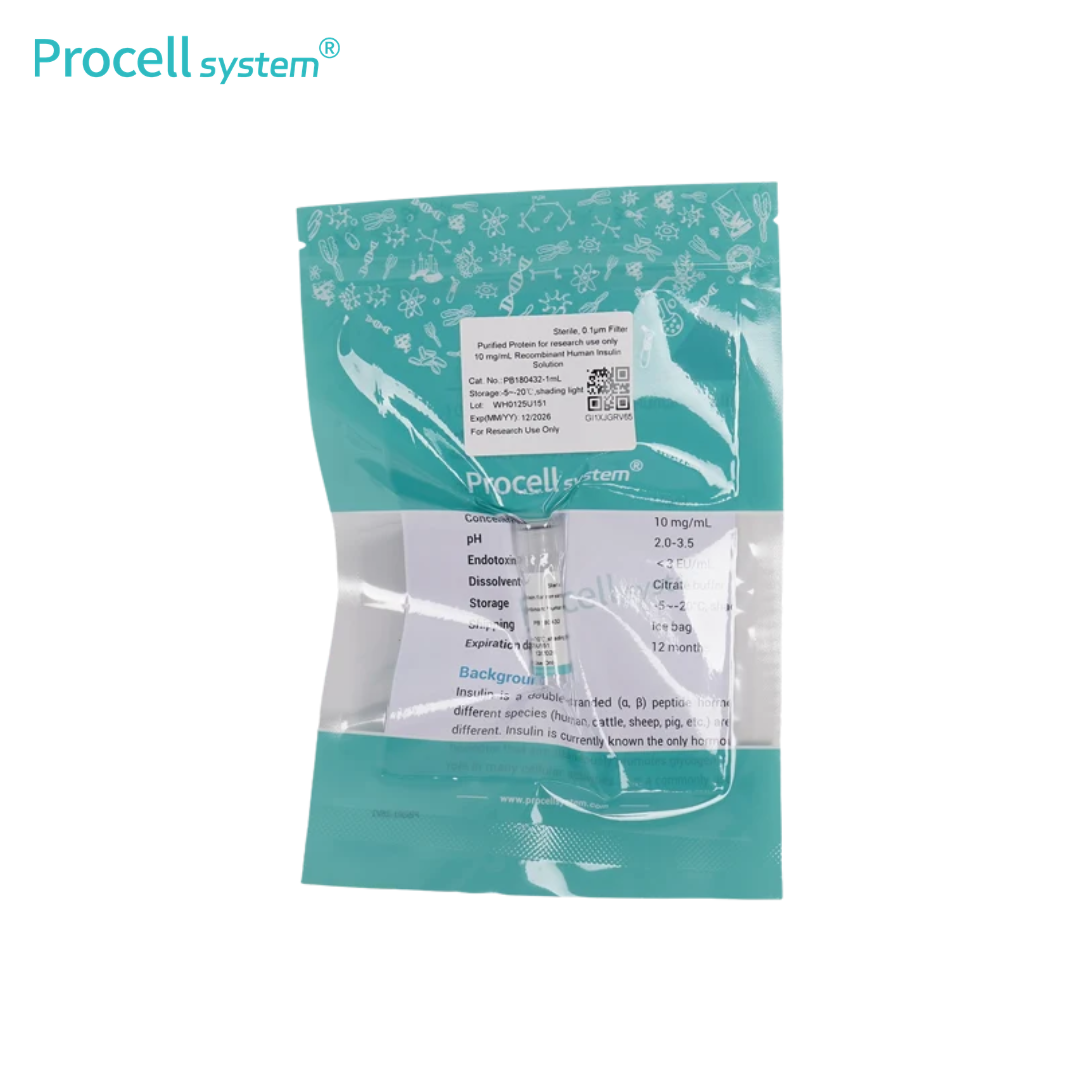
Insulin is a double-stranded (α, β) peptide hormone secreted by islet β cells. Insulin functions of different species (human, cattle, sheep, pig, etc.) are generally the same, and the composition is slightly different. Insulin is currently known the only hormone in the body that lowers blood sugar, and the only hormone that simultaneously promotes glycogen, fat, and protein synthesis. Insulin plays an important role in many cellular activities. It is a commonly used substance in mammalian cell culture. Insulin can accelerate the use of glucose and inhibit the production of glucose, inhibit the decomposition of fat, promote the synthesis and storage of fat, promote the synthesis of protein, prevents the breakdown of proteins, promotes potassium and magnesium ions to pass through the cell membrane into the cell, promotes the synthesis of deoxyribonucleic acid (DNA), ribonucleic acid (RNA) and adenosine triphosphate (ATP). Recombinant human insulin, produced by E.coli expression system by Elabscience, has a molecular weight of about 5800 Da and has the same structure as human insulin of natural origin. It is often used as an auxiliary component in cell culture. The recommended concentration is 1-10 μg/mL.
Manufacturer: Procell System
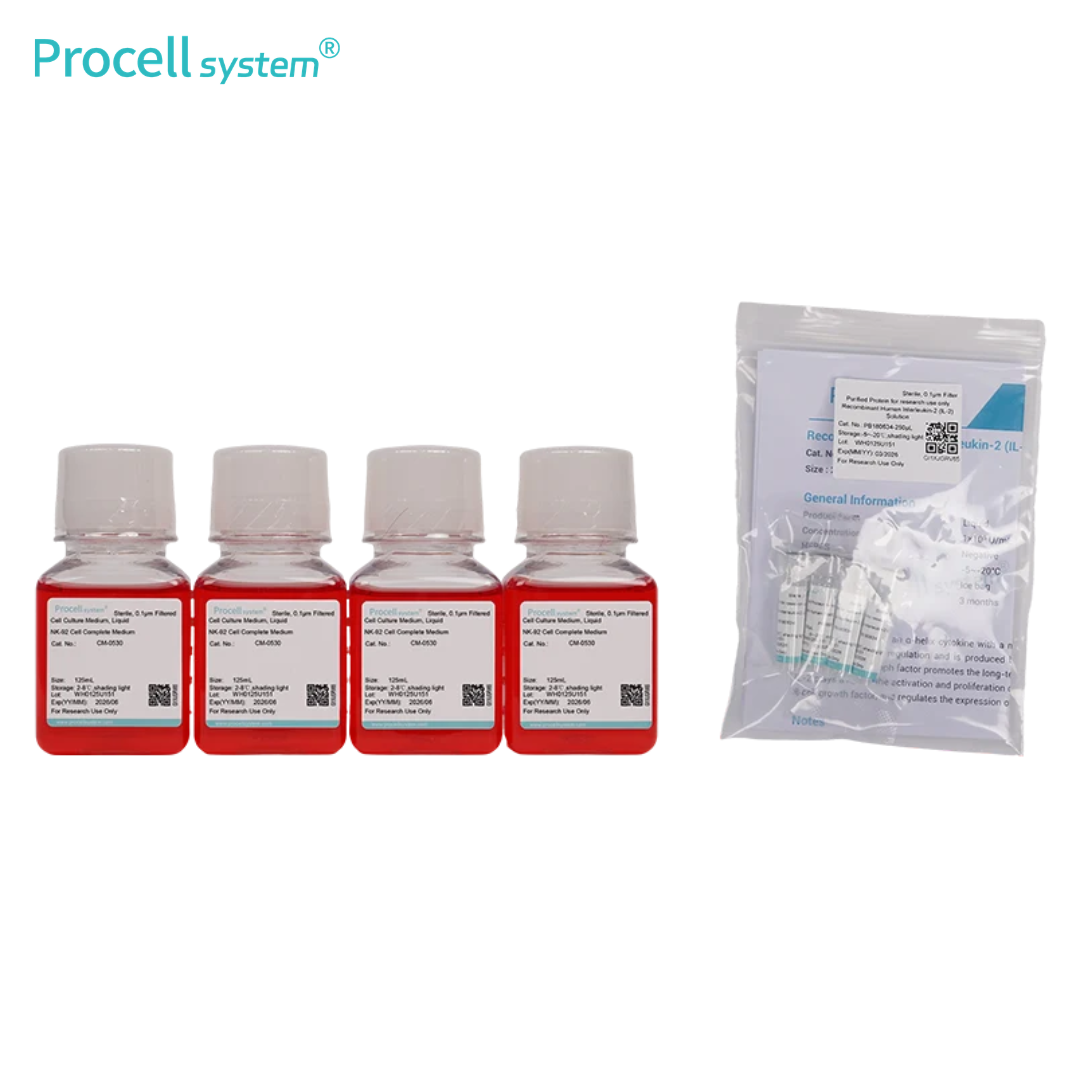
NK-92 Cell Complete Medium is a ready-to-use medium that can be directly used for the culture of NK-92 cells, which is carefully designed and optimized by Pricella's R&D team based on MEMα basal medium. This high-quality complete medium has been strictly verified by NK-92 cells which could promote cell proliferation and maintain cell properties.
Manufacturer: Procell System
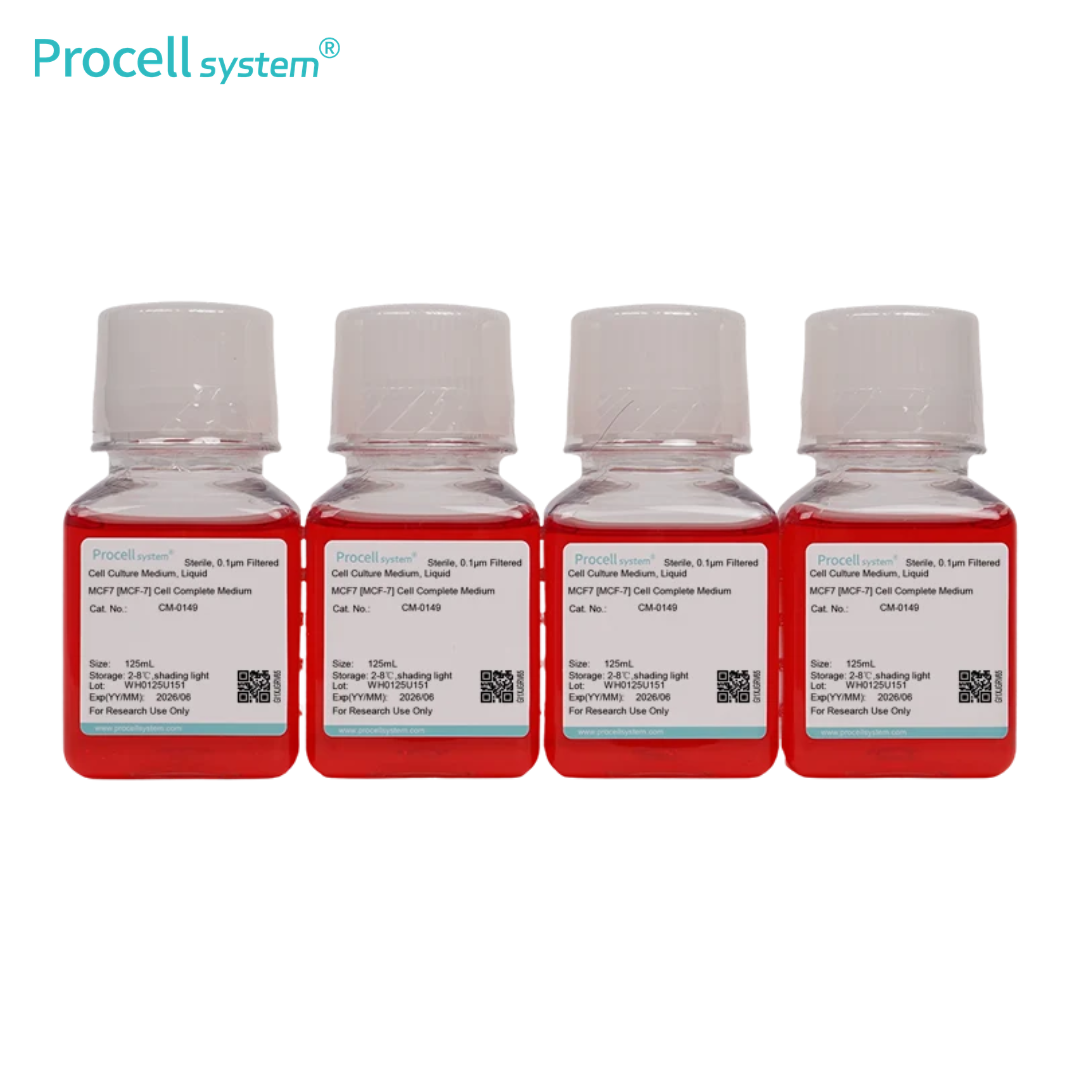
MCF7 [MCF-7] Cell Complete Medium is a ready-to-use medium that can be directly used for the culture of MCF7 [MCF-7] cells, which is carefully designed and optimized by Pricella's R&D team based on MEM, with NEAA basal medium. This high-quality complete medium has been strictly verified by MCF7 [MCF-7] cells which could promote cell proliferation and maintain cell properties.
Manufacturer: Procell System
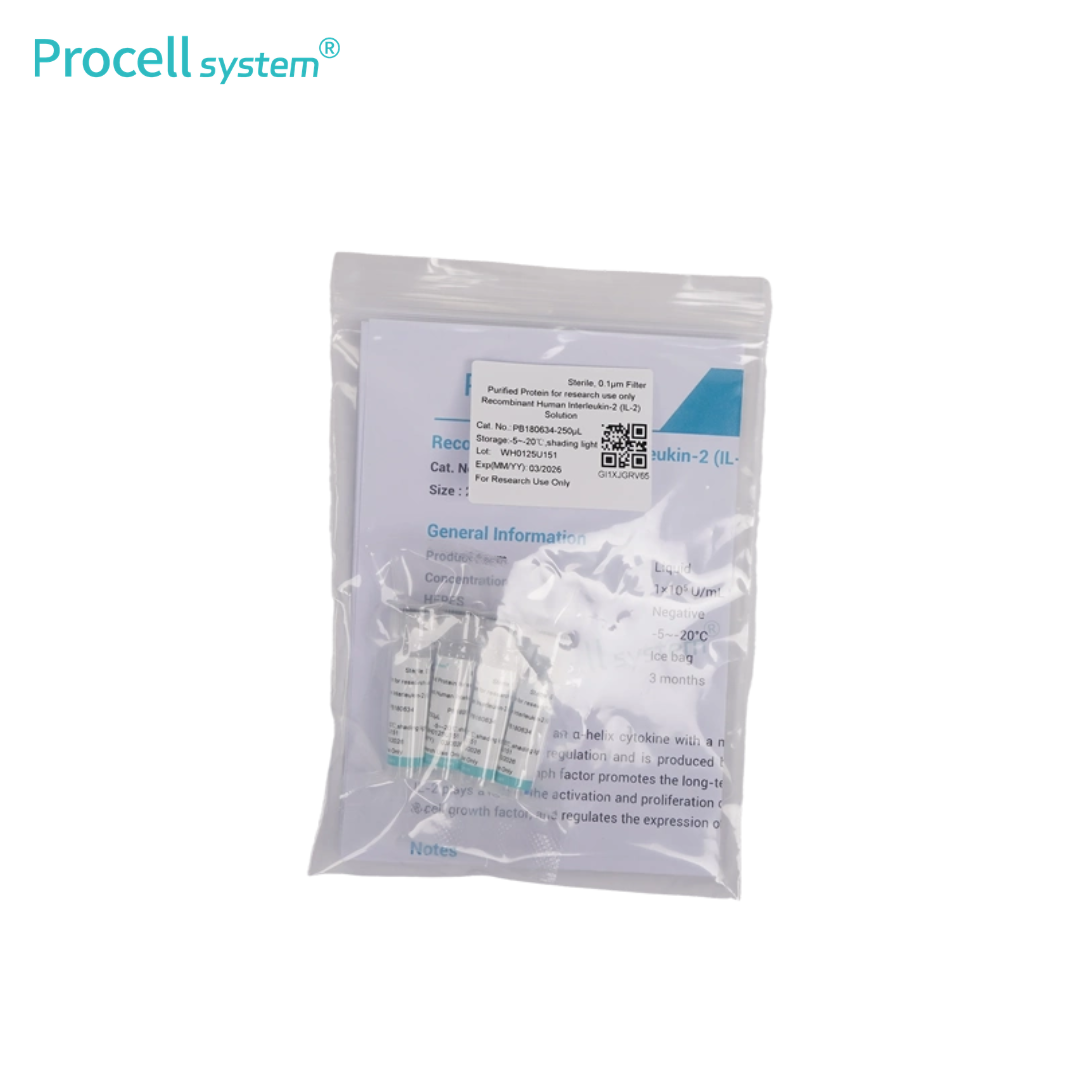
Interleukin-2 (IL-2) is an α-helix cytokine with a molecular weight of 15 kDa. It is a lymphatic factor with strong immune regulation and is produced by T cells in response to antigenicity or mitogenic stimulation. This lymph factor promotes the long-term growth of activated T cells and related cell types. IL-2 plays a role in the activation and proliferation of NK cells, induces the secretion of γ-interferon and B cell growth factor, and regulates the expression of IL-2 receptor.

Manufacturer: Cloud Clone
Recombinant Receptor Activator of Nuclear Factor Kappa B (RANK, TNFRSF11A) is a bioactive protein that plays a key role in bone metabolism, immune regulation, and inflammatory responses. As a member of the TNF receptor superfamily, RANK interacts with its ligand (RANKL) to activate osteoclast differentiation, NF-κB signaling, and downstream pathways critical for bone resorption and immune function. This recombinant protein is widely used in research on osteoporosis, autoimmune diseases, and cancer metastasis. Suitable for in vitro assays, cell signaling studies, and drug discovery applications.

Manufacturer: Cloud Clone
Recombinant Mitochondrial Uncoupling Protein 2 (UCP2, SLC25A8) is a key regulator of mitochondrial function and energy metabolism. As a member of the solute carrier family, UCP2 facilitates proton leakage across the inner mitochondrial membrane, reducing ATP production and dissipating energy as heat. It plays a crucial role in regulating oxidative stress, lipid metabolism, and insulin secretion. This recombinant protein is widely used in research on metabolic disorders, obesity, diabetes, and neurodegenerative diseases. Suitable for in vitro assays, functional studies, and drug discovery applications.

Manufacturer: Cloud Clone
Recombinant Lysyl Oxidase (LOX, Protein-Lysine 6-Oxidase) is a key enzyme involved in the crosslinking of collagen and elastin, essential for maintaining the structural integrity of connective tissues. It plays a crucial role in fibrosis, tissue remodeling, and tumor progression. LOX is widely used in research on cardiovascular diseases, cancer metastasis, and extracellular matrix biology. This recombinant protein is suitable for in vitro enzymatic studies, cell signaling research, and drug discovery applications.