
Search Result
Found "2148" results return by the query.
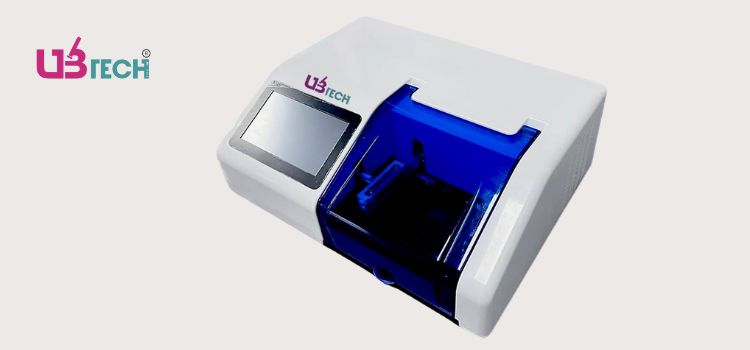
Manufacturer: UBTECH
UBTECH Microplate washers automate the washing steps in ELISA and other immunoassays, ensuring consistent and contamination-free results. These systems are designed to remove unbound reagents and reduce background noise, improving assay accuracy.

Manufacturer: Elabscience
Signal transducer and activator of transcription 6 (STAT6) is a transcription factor that is activated by interleukin-4 (IL-4)-induced tyrosine phosphorylation and mediates most of the IL-4-induced gene expression. STAT6 plays a central role in exerting interleukin-4 (IL-4) mediated biological responses and is found to induce the expression of BCL2L1/BCL-XL, which is responsible for the anti-apoptotic activity of IL4. Transcriptional activation by STAT6 requires the interaction with coactivators like p300 and the CREB-binding protein (CBP). NF-κB and tyrosine-phosphorylated Stat6 can directly bind each other in vitro and in vivo, which suggests that the direct interaction between Stat6 and NF-κB may provide a basis for synergistic activation of transcription by IL-4 and activators of NF-κB.

Manufacturer: Elabscience
Activin and inhibin are two closely related protein complexes that have almost directly opposite biological effects. Activins, members of the TGF-beta superfamily, are disulfide-linked dimeric proteins originally purified from gonadal fluids as proteins that stimulated pituitary follicle stimulating hormone (FSH) release. Inhibins/activins are involved in regulating a number of diverse functions such as hypothalamic and pituitary hormone secretion, gonadal hormone secretion, germ cell development and maturation, erythroid differentiation, insulin secretion, nerve cell survival, embryonic axial development or bone growth, depending on their subunit composition. Activins are homodimers or heterodimers of the various beta subunit isoforms, while inhibins are heterodimers of a unique alpha subunit and one of the various beta subunits.

Manufacturer: Elabscience
Glycoprotein 130 (also known as gp130, IL6ST, IL6-beta or CD130) is a transmembrane protein which is the founding member of the class of all cytokine receptors. CD130/gp130 is a signal transducer shared by many cytokines, including interleukin 6 (IL6), ciliary neurotrophic factor (CNTF), leukemia inhibitory factor (LIF), and Oncostatin M (OSM). CD130/gp130 functions as a part of the cytokine receptor complex. The activation of this protein is dependent upon the binding of cytokines to their receptors. CD130/gp130 plays a critical role in regulating myocyte apoptosis. Alternatively spliced transcript variants encoding distinct isoforms have been described. A related pseudogene has been identified on chromosome 17. The receptor systems for IL6, LIF, OSM, CNTF, IL11, CTF1 and BSF3 can utilize gp130 for initiating signal transmission. CD130/gp130 binds to IL6/IL6R (alpha chain) complex, resulting in the formation of high-affinity IL6 binding sites, and transduces the signal. CD130/gp130 may have a role in embryonic development. The type I OSM receptor is capable of transducing OSM-specific signaling events.

Manufacturer: Elabscience
HSPA1A is a member of the Hsp70 protein family. The 70 kilodalton heat shock proteins (Hsp70s) are a family of ubiquitously expressed heat shock proteins. HSP are abundant and conserved proteins present in all cells. Upon temperature shock or other stress stimuli, HSP are synthesized intracellularly, which may protect cells from protein denaturation or from death. Extracellularly, HSP can serve a cytokine function to initiate both innate and adaptive immunity through activation of APC. HSP serves also a chaperone function and facilitates presentation of antigen peptide to T cells. Molecular chaperones of the Hsp70 family have diverse functions in cells. They assist the folding of newly synthesized and stress-denatured proteins, as well as the import of proteins into organelles, and the dissociation of aggregated proteins. The well-conserved Hsp70 chaperones are ATP dependent: binding and hydrolysis of ATP regulates their interactions with unfolded polypeptide substrates, and ATPase cycling is necessary for their function. All cellular functions of Hsp70 chaperones use the same mechanism of ATP-driven polypeptide binding and release.

Manufacturer: Elabscience
Glycolysis is an important ATP generation pathway in eukaryotic cells. Glycolytic stress testing can directly measure the extracellular acidification rate (ECAR) to evaluate the changes of glycolytic process in living cells, and can obtain key parameters for a comprehensive assessment of glycolytic pathway, including: glycolysis, glycolytic capacity, glycolytic reserve and non-glycolytic acidification. This kit uses 2-deoxy-D-glucose (2-DG) and oligomycin to facilitate in-depth analysis of cellular glycolytic flux: 2-DG quantifies nonglycolytic extracellular acidification (ECA) by blocking glycolysis through competitive hexokinase inhibition; Oligomycin inhibits ATP synthetase and therefore prevents aerobic ATP production, forcing the cell to increase glycolytic flux to meet ATP demand. Such compensatory glycolysis levels achievable under the test conditions could reveal glycolytic perturbations that are not apparent under basal conditions and help assess glycolytic capacity with limited ATP demand.
Manufacturer: Elabscience
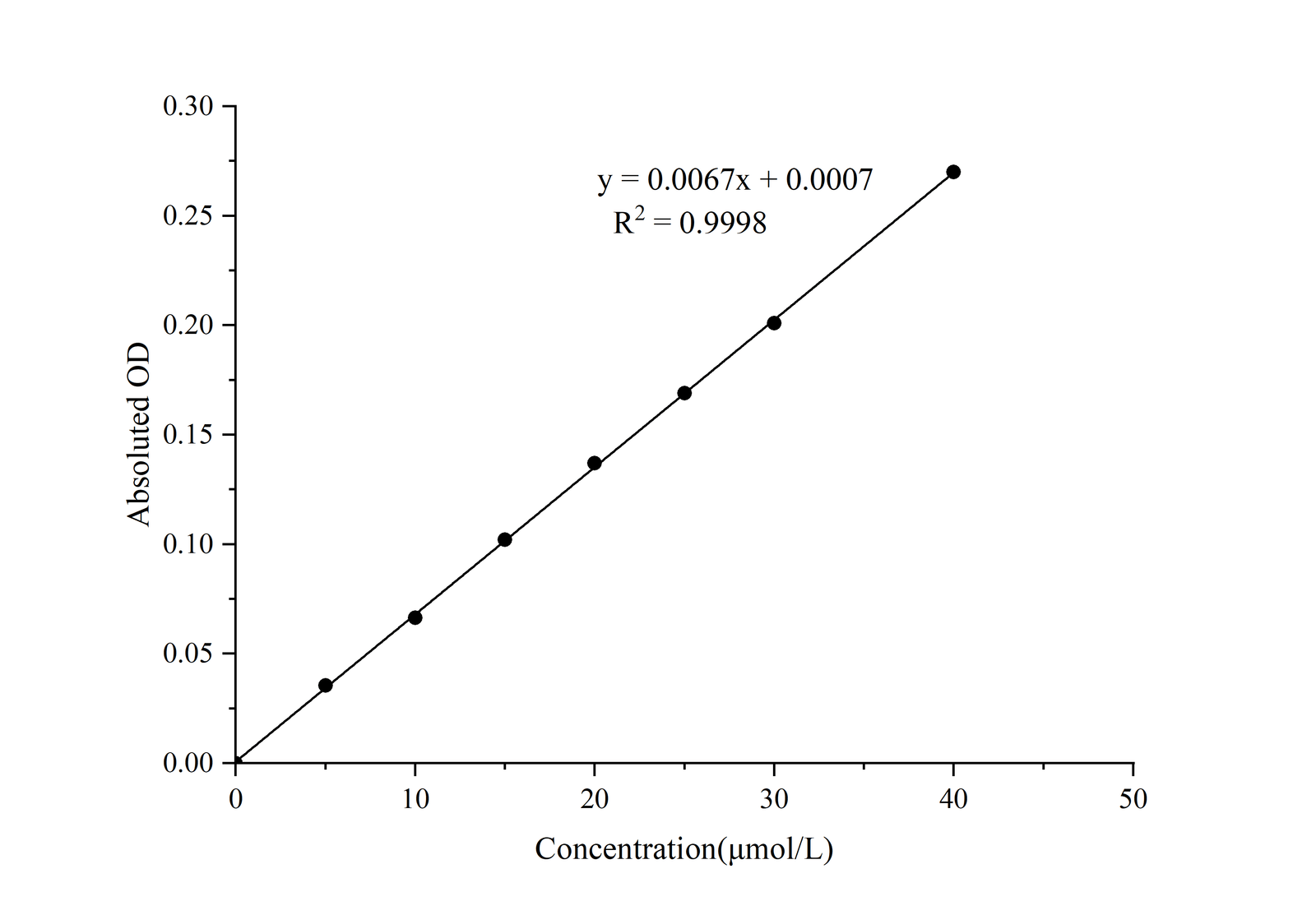
Adenosine Triphosphate (ATP) is a high-energy phosphate compound, which is the most direct energy source in the body, and its content is directly related to the state of energy metabolism in the body. Hexokinase (HK) catalyzes the generation of glucose and ATP into glucose-6-phosphate, and glucose-6-phosphate dehydrogenase (G6PD) further catalyzes the dehydrogenation of glucose-6-phosphate into NADPH. NADPH can react with the color developer, and the product has a characteristic absorption peak at 460 nm to determine the ATP content.

Manufacturer: Elabscience
Under acid conditions, the oxidizing material in the sample can oxidize Fe2+ to Fe3+, which binds highly with xylenol orange to produce a blue-purple complex. When the pH of solution is in the range of 2-3, its maximum absorption wavelength is around 590 nm, and the color depth is proportional to the content of oxidation substances in a certain concentration and a certain time, so as to indirectly calculate the total oxidation state of the sample.

Manufacturer: Elabscience
Under the alkaline condition, the sodium tetraphenylborate reacts with the potassium ions in the sample to form the potassium tetraphenylborate which is white and small particles with small solubility. Potassium tetraphenylborate particles are in a stable suspension state in the solution. The turbidity is proportional to the potassium ion concentration in the sample and potassium content can be calculated indirectly by measuring the OD value at 450 nm.