
Search Result
Found "341" results return by the query.

Manufacturer: Abbkine Scientific
Prolactin-releasing hormone, also known as PRLH, is a hypothetical human hormone or hormone releasing factor. Existence of this factor has been hypothesized as prolactin is the only currently known hormone for which almost exclusively negative regulating factors are known (such as dopamine, leukemia inhibitory factor, some prostaglandins) but few stimulating factors. While many prolactin stimulating and enhancing factors are well known (such as thyrotropin-releasing hormone, oxytocin, vasoactive intestinal peptide and estrogen) those have primary functions other than stimulating prolactin release and the search for hypothetical releasing factor or factors continues. The prolactin-releasing peptide identified in 1998 was a candidate for this function, however as of 2008 it appears its function is not yet completely elucidated.

Manufacturer: Arbor Assays
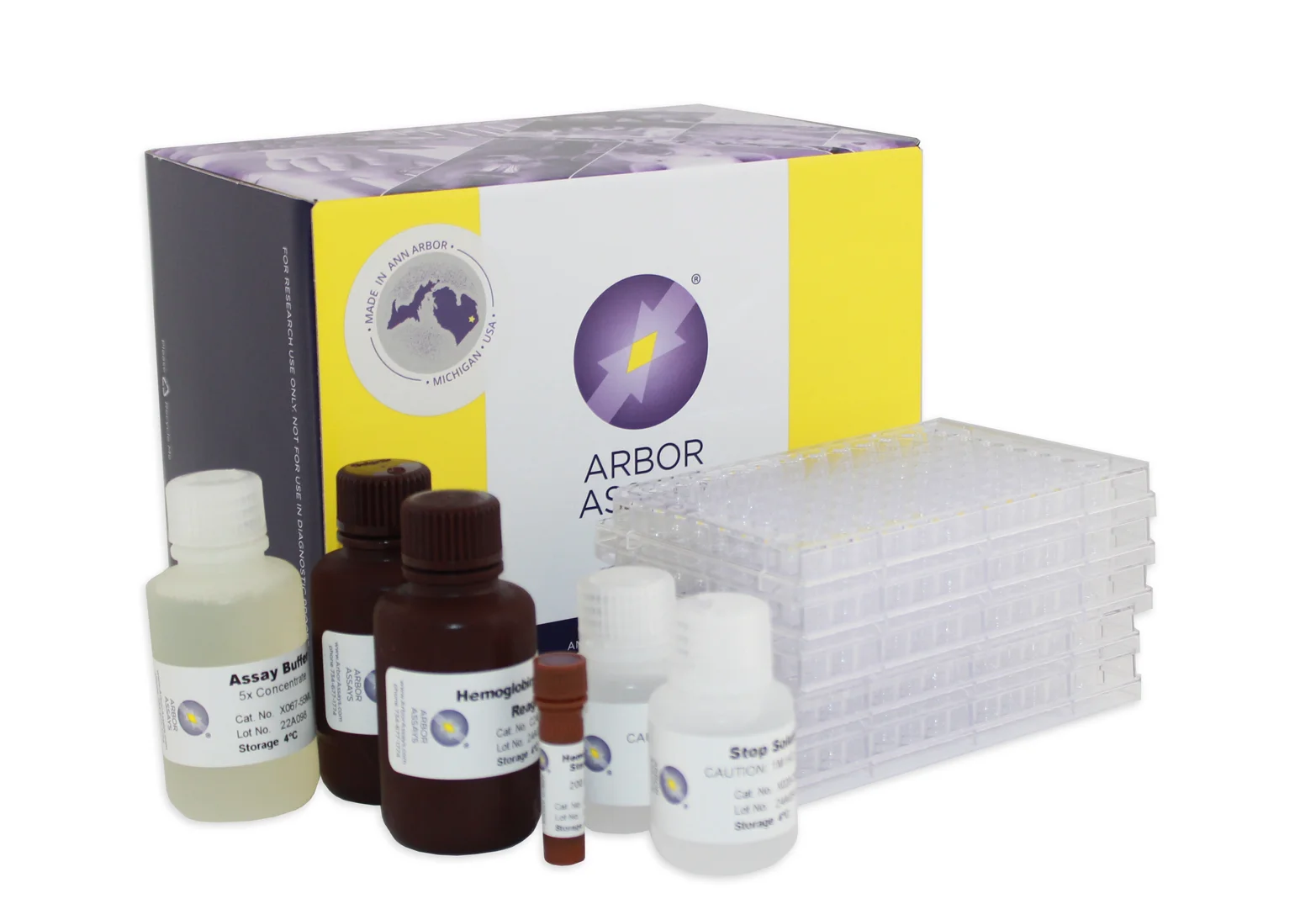
Aldosterone, C21H28O5, is a mineralocorticoid first isolated by the husband and wife team of Simpson and Tait at University College, London in 19531. Initially called electrocortin, 21mg was isolated from 500 kg of beef adrenal glands. Aldosterone controls the sodium-potassium balance through the unidirectional salt reabsorption in a variety of tissues and glands2,3. Synthesized from cholesterol in the zona glomerulosa of the adrenal cortex, secretion is regulated through the renin-angiotensin system4. Angiotensin II and potassium stimulate primary secretion by increasing the rate of production of the steroid.
Manufacturer: Arbor Assays
Aldosterone, C21H28O5, is a mineralocorticoid first isolated by the husband and wife team of Simpson and Tait at University College, London in 19531. Initially called electrocortin, 21mg was isolated from 500 kg of beef adrenal glands. Aldosterone controls the sodium-potassium balance through the unidirectional salt reabsorption in a variety of tissues and glands2,3. Synthesized from cholesterol in the zona glomerulosa of the adrenal cortex, secretion is regulated through the renin-angiotensin system4 . Angiotensin II and potassium stimulate primary secretion by increasing the rate of production of the steroid.

Manufacturer: Arbor Assays
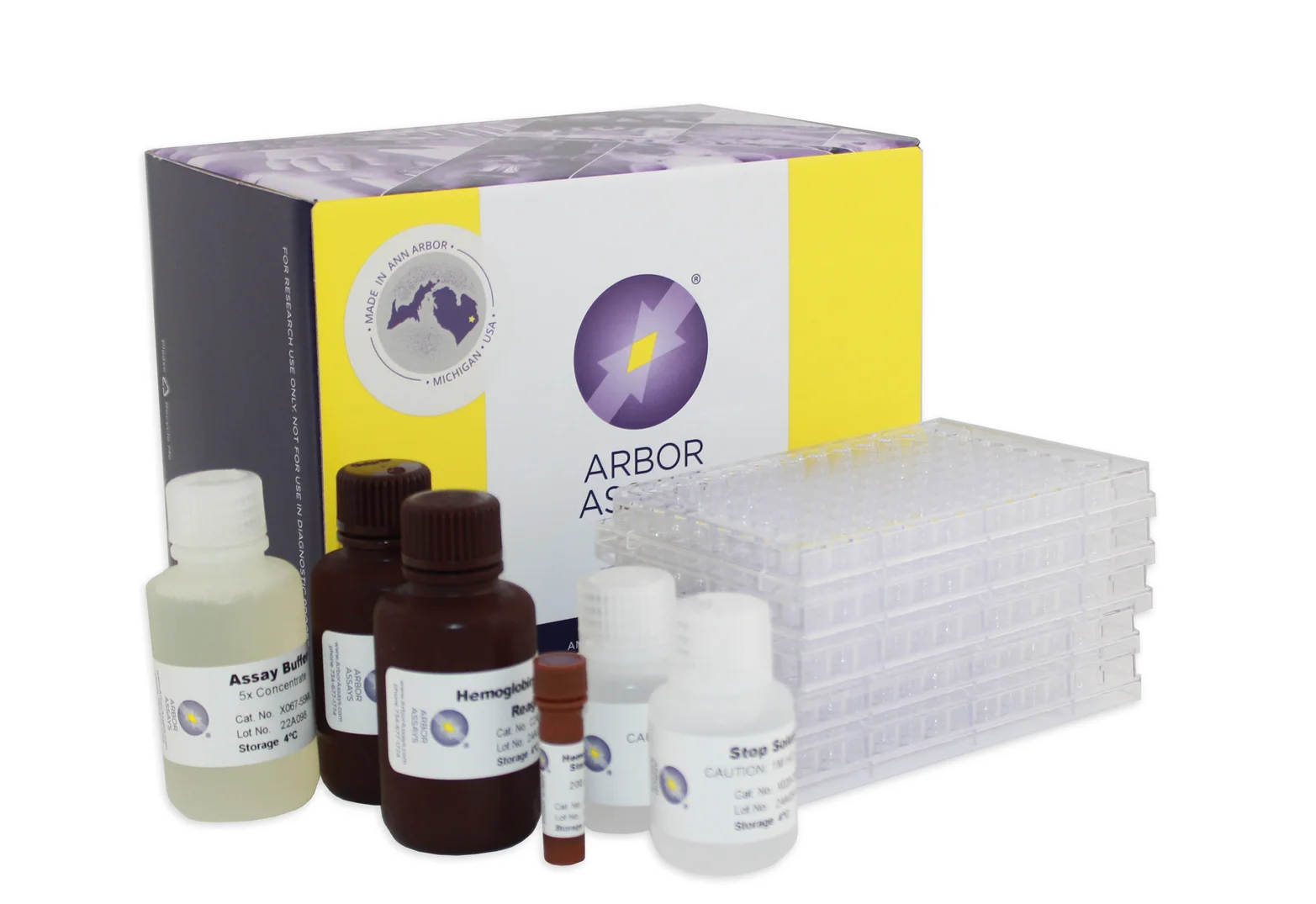
Cortisol, C21H30O5, (hydrocortisone, compound F) is the primary glucocorticoid produced and secreted by the adrenal cortex. It is often referred to as the “stress hormone” as it is involved in the response to stress and it affects blood pressure, blood sugar levels, and other actions of stress adaptation. Immunologically, cortisol functions as an important anti-inflammatory and plays a role in hypersensitivity, immunosuppression, and disease resistance1. In the metabolic aspect, cortisol promotes gluconeogenesis, liver glycogen deposition, and the reduction of glucose utilization2. Production of cortisol follows an ACTH-dependent circadian rhythm, with a peak level in the morning and decreasing levels throughout the day. Most serum cortisol, all but about 4%, is bound to proteins including corticosteroid binding globulin and serum albumin1,3. Only free cortisol is available to most receptors and it is through these receptors that physiological processes are modulated. Abnormal cortisol levels are being evaluated for correlation with a variety of different conditions, such as prostate cancer4, depression5, and schizophrenia6. It is already known that abnormal levels of cortisol are involved in Cushing’s Syndrome and Addision’s disease7.
Manufacturer: Arbor Assays
In many species, uterine and placental Prostaglandin F2alpha (PGF2a) is involved in the regulation of reproductive and pregnancy-related processes such as embryonic development, initiation of parturition, and resumption of ovarian activity1. In domestic ruminants, uterine tissue is a primary source of PGF2a, and secretion of uterine PGF2a is a key regulator for the cyclical regression of the corpus luteum2-4.

Manufacturer: BT Lab
This kit is an Enzyme-Linked Immunosorbent Assay (ELISA). The plate has been pre-coated with Human GDNF antibody. GDNF present in the sample is added and binds to antibodies coated on the wells. And then biotinylated Human GDNF Antibody is added and binds to GDNF in the sample. Then Streptavidin-HRP is added and binds to the Biotinylated GDNF antibody. After incubation unbound Streptavidin-HRP is washed away during a washing step. Substrate solution is then added and color develops in proportion to the amount of Human GDNF

Manufacturer: UBTECH
The economic series ultra water purifiers can effectively remove bacteria and other harmful substances to ensure the safety and hygiene of experimental water. Now the ultra water purifiers for sale at affordable price.

Manufacturer: UBTECH
Standard series ultra water purifier for demanding laboratory applications.

Manufacturer: UBTECH
This high-end ultra water purifier has a simple and intuitive user interface, and is designed with ultra-low power consumption to be green and energy efficient.