
Search Result
Found "3615" results return by the query.
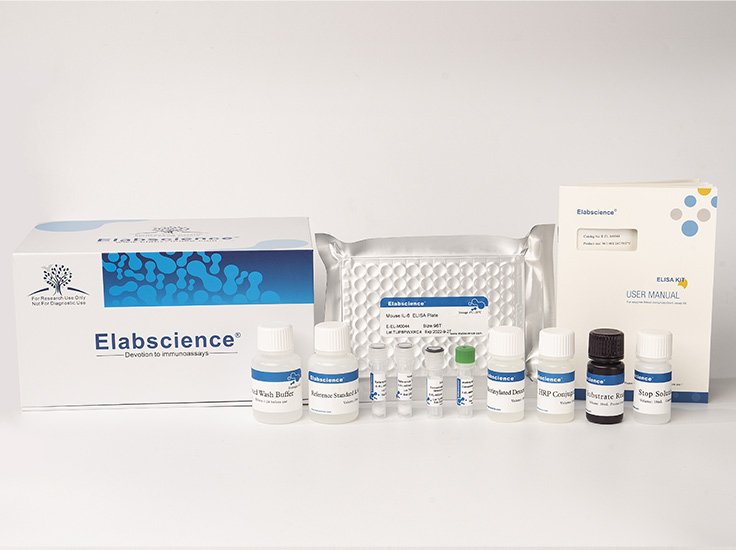
Manufacturer: Elabscience
This ELISA kit uses the Sandwich-ELISA principle. The micro ELISA plate provided in this kit has been pre-coated with an antigen specific to Human AChR-Ab. Samples (or Standards) are added to the micro ELISA plate wells and combined with the antigen. Then a biotinylated detection antigen specific for Human AChR-Ab and Avidin-Horseradish Peroxidase (HRP) conjugate are added successively to each micro plate well and incubated. Free components are washed away. The substrate solution is added to each well. Only those wells that contain Human AChR-Ab, biotinylated detection antigen and Avidin-HRP conjugate will appear blue in color. The enzyme substrate reaction is terminated by the addition of stop solution and the color turns yellow. The optical density (OD) is measured spectrophotometrically at a wavelength of 450±2 nm. The OD value is proportional to the concentration of Human AChR-Ab. You can calculate the concentration of Human AChR-Ab in the samples by comparing the OD of the samples to the standard curve.
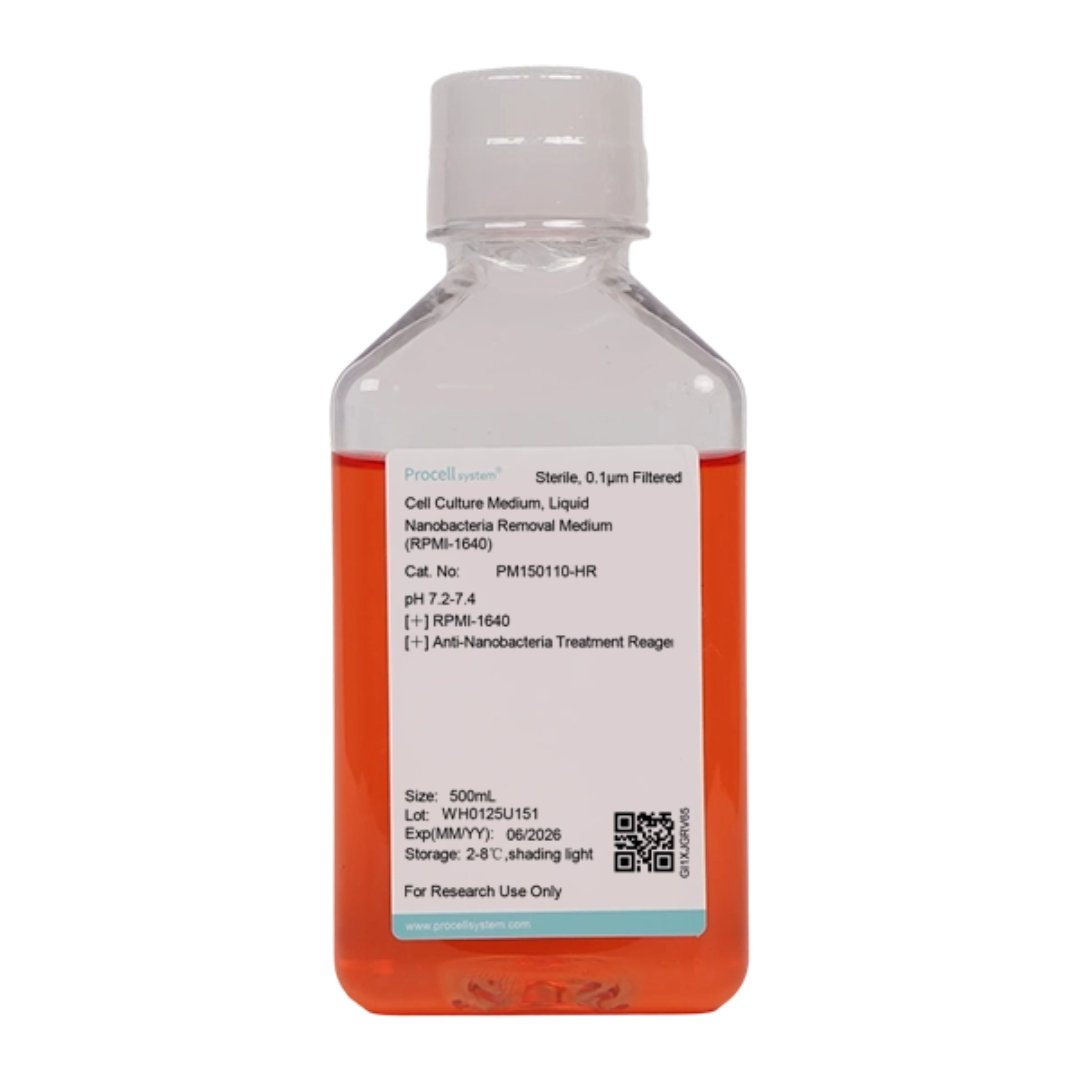
Manufacturer: Elabscience
Nanobacteria and their decomposition complexes are the common contaminant in cell cultures that co-exists with cells. Antibiotics are usually ineffective. Nanobacteria grows competitively with cells, which is unfavorable to cell growth, and in severe cases causes cell death. At present, many cells are contaminated with nanobacteria, which has a great impact on cell culture and subsequent experiments. The common characteristics of cells contaminated by nanobacteria are as follows: (1) The medium is not turbid, but when the cells are observed under a microscope, there are many "small black spots" around the cells or in the culture medium. With the extension of culture time, the "small black spots" gradually increase, and they cannot be removed by changing the culture medium or washing the cells. (2) The cells contaminated by the "small black spots" consume fast nutrients and require frequent replacement of the culture medium. (3) Nanobacteria-contaminated cells grow slowly, have poor cell states, and are severely vacuolated. They may even cause changes in cell morphology. Therefore, it is of great significance to clean up nanobacteria contamination in cell culture. Anti-Nanobacteria media is a new generation product developed by our team on the basis of Biomocin products. It contains special ingredients to remove nanobacteria. This product has been tested on hundreds of cells and verified by long-term experiments. It is harmless to cells and has a significant effect on removing and inhibiting nanobacteria.
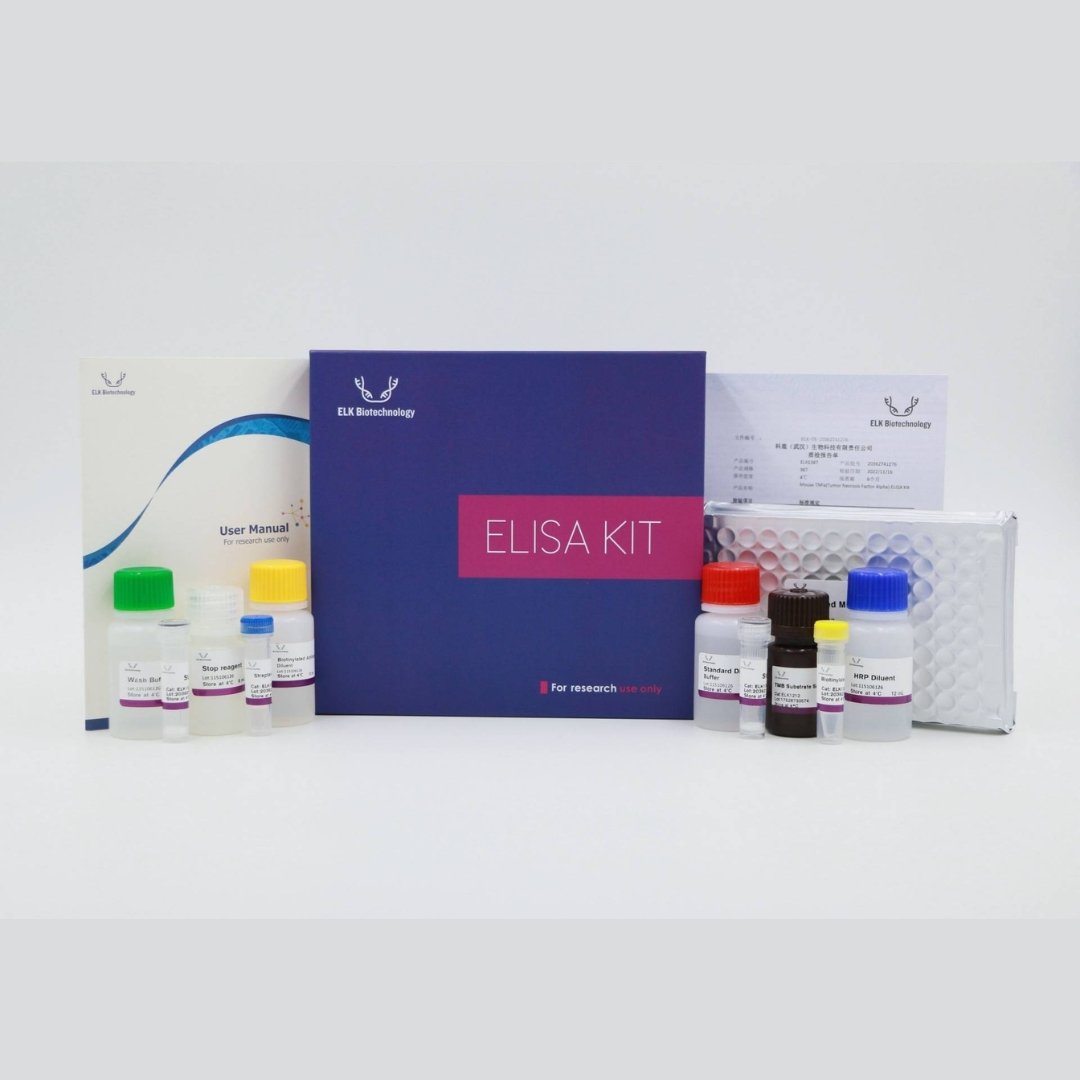
Manufacturer: ELK Biotechnology
The test principle applied in this kit is Sandwich enzyme immunoassay. The microtiter plate provided in this kit has been pre-coated with an antibody specific to Rat NOS1. Standards or samples are added to the appropriate microtiter plate wells then with a biotin-conjugated antibody specific to Rat NOS1. Next, Avidin conjugated to Horseradish Peroxidase (HRP) is added to each microplate well and incubated. After TMB substrate solution is added, only those wells that contain Rat NOS1, biotin-conjugated antibody and enzyme-conjugated Avidin will exhibit a change in color. The enzyme-substrate reaction is terminated by the addition of sulphuric acid solution and the color change is measured spectrophotometrically at a wavelength of 450nm ± 10nm. The concentration of Rat NOS1 in the samples is then determined by comparing the OD of the samples to the standard curve.
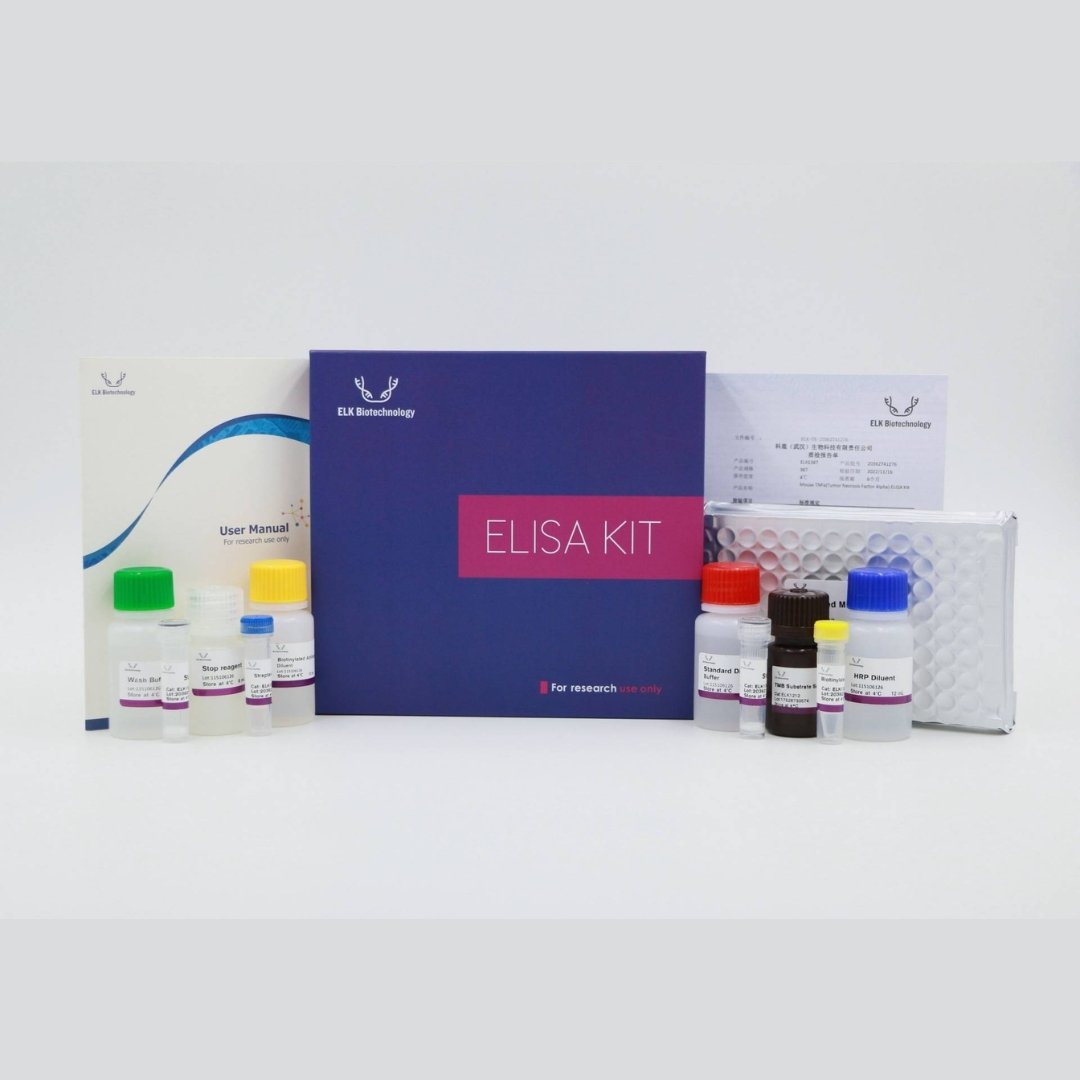
Manufacturer: ELK Biotechnology
The test principle applied in this kit is Sandwich enzyme immunoassay. The microtiter plate provided in this kit has been pre-coated with an antibody specific to Rat CAT. Standards or samples are added to the appropriate microtiter plate wells then with a biotin-conjugated antibody specific to Rat CAT. Next, Avidin conjugated to Horseradish Peroxidase (HRP) is added to each microplate well and incubated. After TMB substrate solution is added, only those wells that contain Rat CAT, biotin-conjugated antibody and enzyme-conjugated Avidin will exhibit a change in color. The enzyme-substrate reaction is terminated by the addition of sulphuric acid solution and the color change is measured spectrophotometrically at a wavelength of 450nm ± 10nm. The concentration of Rat CAT in the samples is then determined by comparing the OD of the samples to the standard curve.
Manufacturer: BT Lab
Insulin decreases blood glucose concentration. It increases cell permeability to monosaccharides, amino acids and fatty acids. It accelerates glycolysis, the pentose phosphate cycle, and glycogen synthesis in liver.
Manufacturer: Elabscience
Annexin V is a member of the annexin family, which binds to phosphatidylserine (PS) in a calcium-dependent manner. The Annexin V-labeled fluorescein bind specifically to the PS on the outer leaflet apoptotic cell membrane and can be detected with flow cytometry or fluorescence microscope. Nuclear dyes (PI, DAPI, 7-AAD) have a high DNA binding constant and is efficiently excluded by intact cells. It is useful for DNA analysis and dead cell discrimination during flow cytometric analysis. Due to late apoptosis or loss of membrane integrity in necrotic cells, nuclear dyes can enter cells to stain DNA, and when used in combination with Annexin V, cells in different apoptotic stages can be distinguished.