
Search Result
Found "3416" results return by the query.
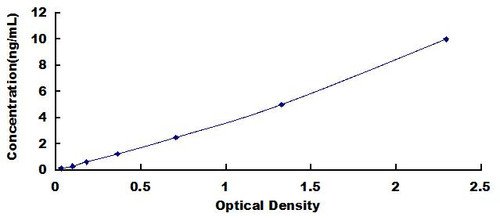
Manufacturer: Biomatik
The kit is a sandwich enzyme immunoassay for the in vitro quantitative measurement of ADAM12 in serum, plasma, tissue homogenates, cell lysates, cell culture supernates and other biological fluids. The kit can be used to detect human samples.

Manufacturer: Biomatik
The kit is a sandwich enzyme immunoassay for the in vitro quantitative measurement of ADAM15 in serum, plasma, tissue homogenates, cell lysates, cell culture supernates and other biological fluids. The kit can be used to detect human samples.
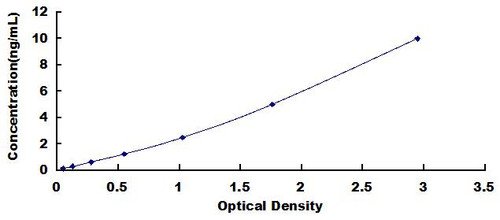
Manufacturer: Biomatik
The kit is a sandwich enzyme immunoassay for the in vitro quantitative measurement of ADAM17 in serum, plasma, tissue homogenates, cell lysates, cell culture supernates and other biological fluids. The kit can be used to detect human samples.
Manufacturer: Biomatik
The kit is a sandwich enzyme immunoassay for the in vitro quantitative measurement of ADAM17 in serum, plasma, tissue homogenates, cell lysates, cell culture supernates and other biological fluids. The kit can be used to detect rat samples.
Manufacturer: Biomatik
The kit is a sandwich enzyme immunoassay for the in vitro quantitative measurement of ADAM19 in serum, plasma, tissue homogenates, cell lysates, cell culture supernates and other biological fluids. The kit can be used to detect human samples.
Manufacturer: Biomatik
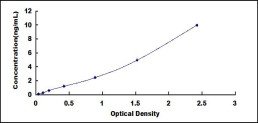
The kit is a sandwich enzyme immunoassay for the in vitro quantitative measurement of ADAM22 in serum, plasma, tissue homogenates, cell lysates, cell culture supernates and other biological fluids. The kit can be used to detect human samples.
Manufacturer: Biomatik
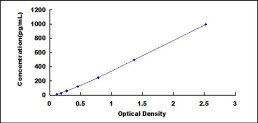
The kit is a sandwich enzyme immunoassay for the in vitro quantitative measurement of ADAM28 in serum, plasma, tissue homogenates, cell lysates, cell culture supernates and other biological fluids. The kit can be used to detect human samples.

Manufacturer: Biomatik
The kit is a sandwich enzyme immunoassay for the in vitro quantitative measurement of ADAM33 in serum, plasma, tissue homogenates, cell lysates, cell culture supernates and other biological fluids. The kit can be used to detect human samples.
Manufacturer: Biomatik
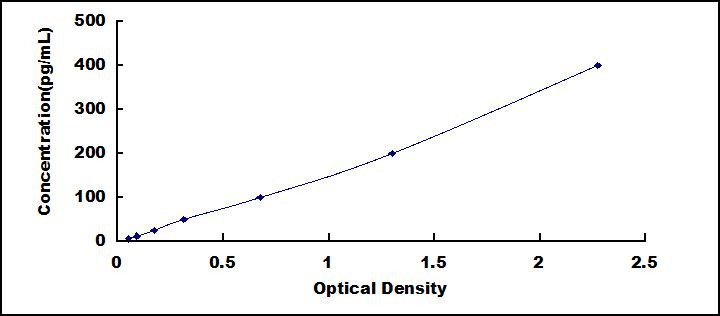
The kit is a sandwich enzyme immunoassay for the in vitro quantitative measurement of ADAM8 in serum, plasma, tissue homogenates, cell lysates, cell culture supernates and other biological fluids. The kit can be used to detect human samples.