
Search Result
Found "3416" results return by the query.

Manufacturer: Elabscience
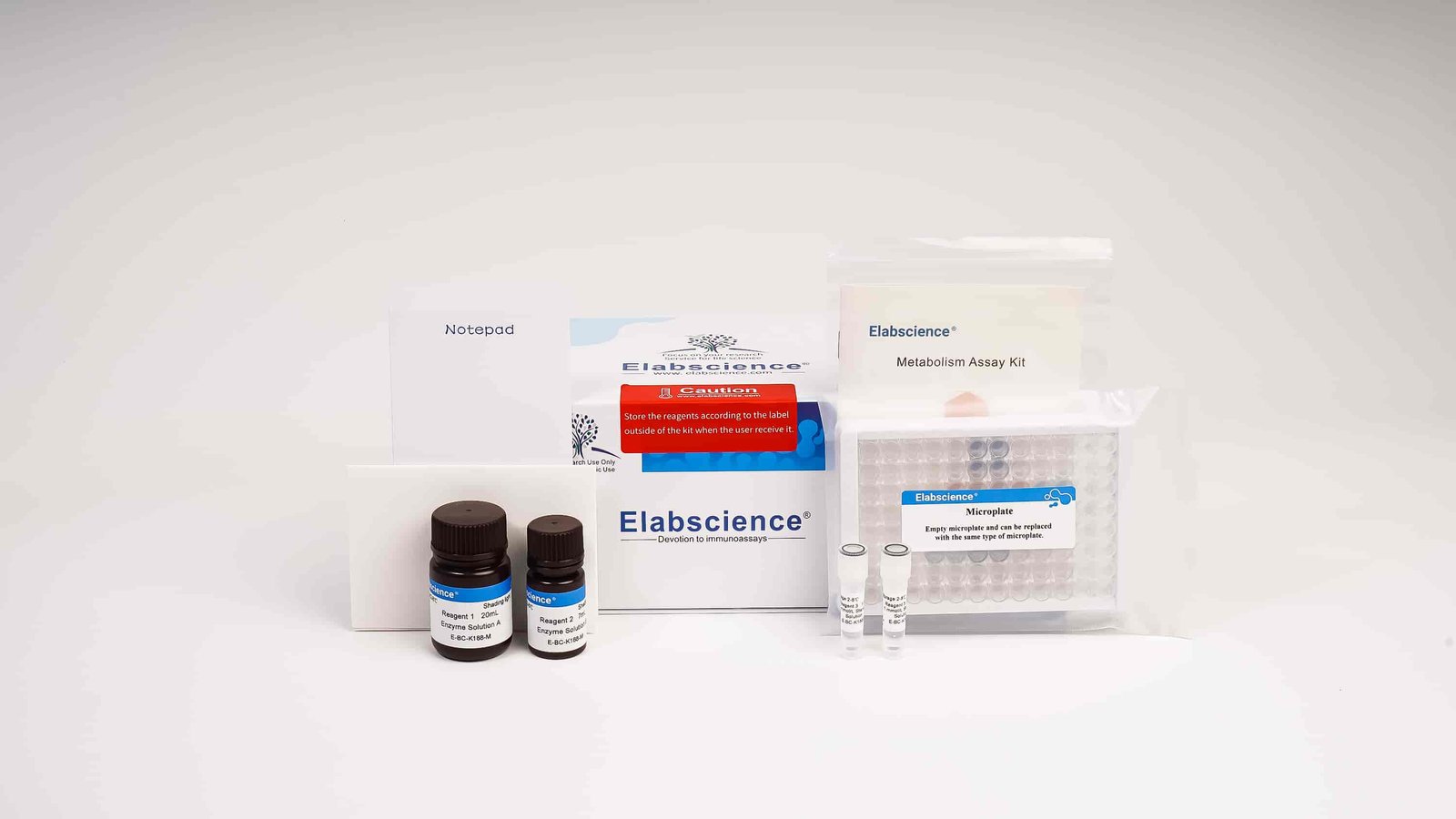
The reaction that catalase (CAT) decomposes H2O2 can be quickly stopped by ammonium molybdate. The residual H2O2 reacts with ammonium molybdate to generate a yellowish complex. CAT activity can be calculated by production of the yellowish complex at 405 nm.
Manufacturer: Elabscience
Cu2+ can be reduced to Cu+ by protein in alkaline condition. Cu+ can combine with BCA reagent and form purple complex, which has a maximum absorption peak at 562 nm. The absorbance value is proportional to the protein concentration. Therefore, the protein concentration can be calculated according to the OD value.

Manufacturer: Elabscience
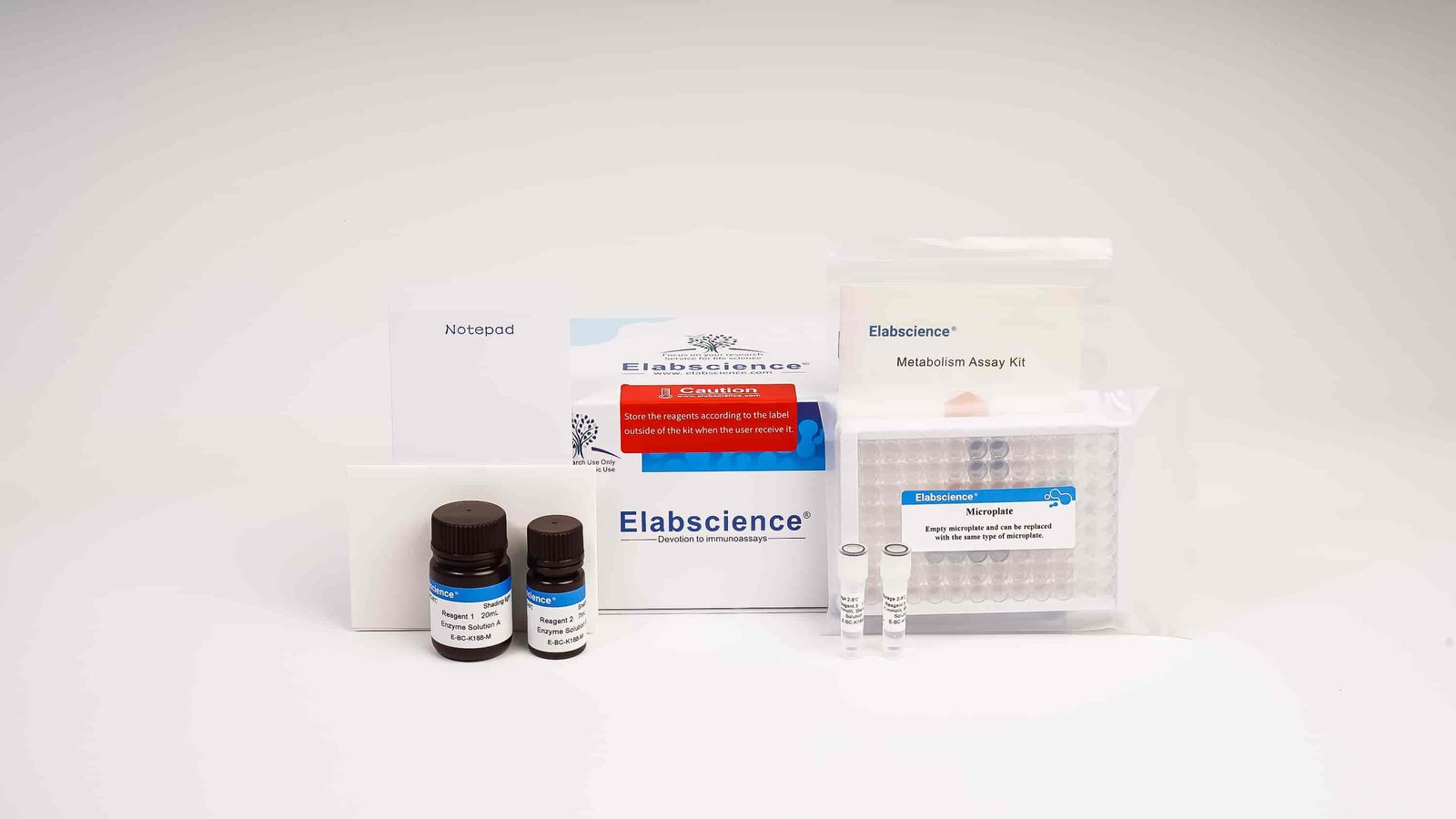
Reduced GSH can react with Dinitrobenzoic acid (DNTB) to form a yellow complex which can be detected by colorimetric assay at 405 nm and calculate the reduced GSH content indirectly.
Manufacturer: Elabscience
DCFH-DA (2,7-dichlorofuorescin diacetate) is a fluorescent probe without fluorescence that can freely cross the membrane. After entering the cell, it can be hydrolyzed by intracellular esterase to form DCFH (dichlorofluorescin). In the presence of reactive oxygen species (ROS), DCFH is oxidized to DCF (dichlorofluorescein) which is a strong green fluorescent substance that cannot penetrate the cell membrane. DCF has a maximum wave peak near the excitation wavelength of 502 nm and the emission wavelength of 525 nm, and the intensity is proportional to the level of intracellular reactive oxygen species.

Manufacturer: Elabscience
GSSG is reduced to GSH by glutathione reductase, and GSH can react with DTNB to produce GSSG and yellow TNB. The amount of total glutathione (GSSG+GSH) determines the amount of yellow TNB. Thus the total glutathione can be calculated by measuring the OD value at 412 nm. The content of GSSG can be determined by first removing GSH from the sample with appropriate reagent and then using the above reaction principle.
Manufacturer: Elabscience
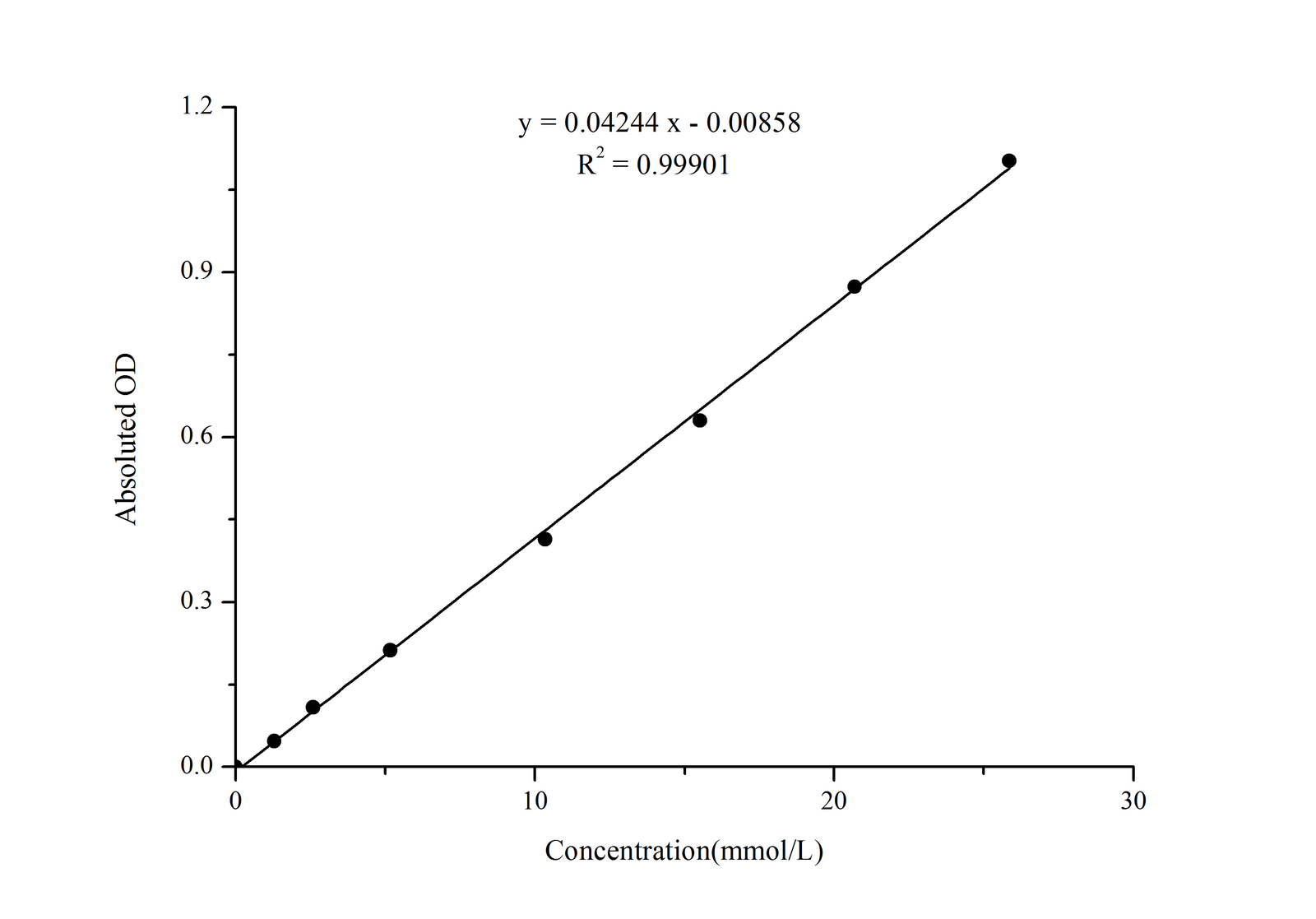
Total cholesterol includes free cholesterol and cholesterol esters. Cholesterol ester can be hydrolyzed by cholesterol esterase to produce cholesterol and free fatty acid. Cholesterol is oxidized by cholesterol oxidase to produce △4-cholestenone and hydrogen peroxide. In the presence of 4-aminoamylpyridine and phenol, hydrogen peroxide catalyze peroxidase to form red quinone compounds of benzoquinone imine phenizone.The color depth of the generated quinone is directly proportional to the cholesterol content. The absorbance values of the standard tube and the sample tube are measured respectively, and the cholesterol content in the sample can be calculated.
Manufacturer: Elabscience
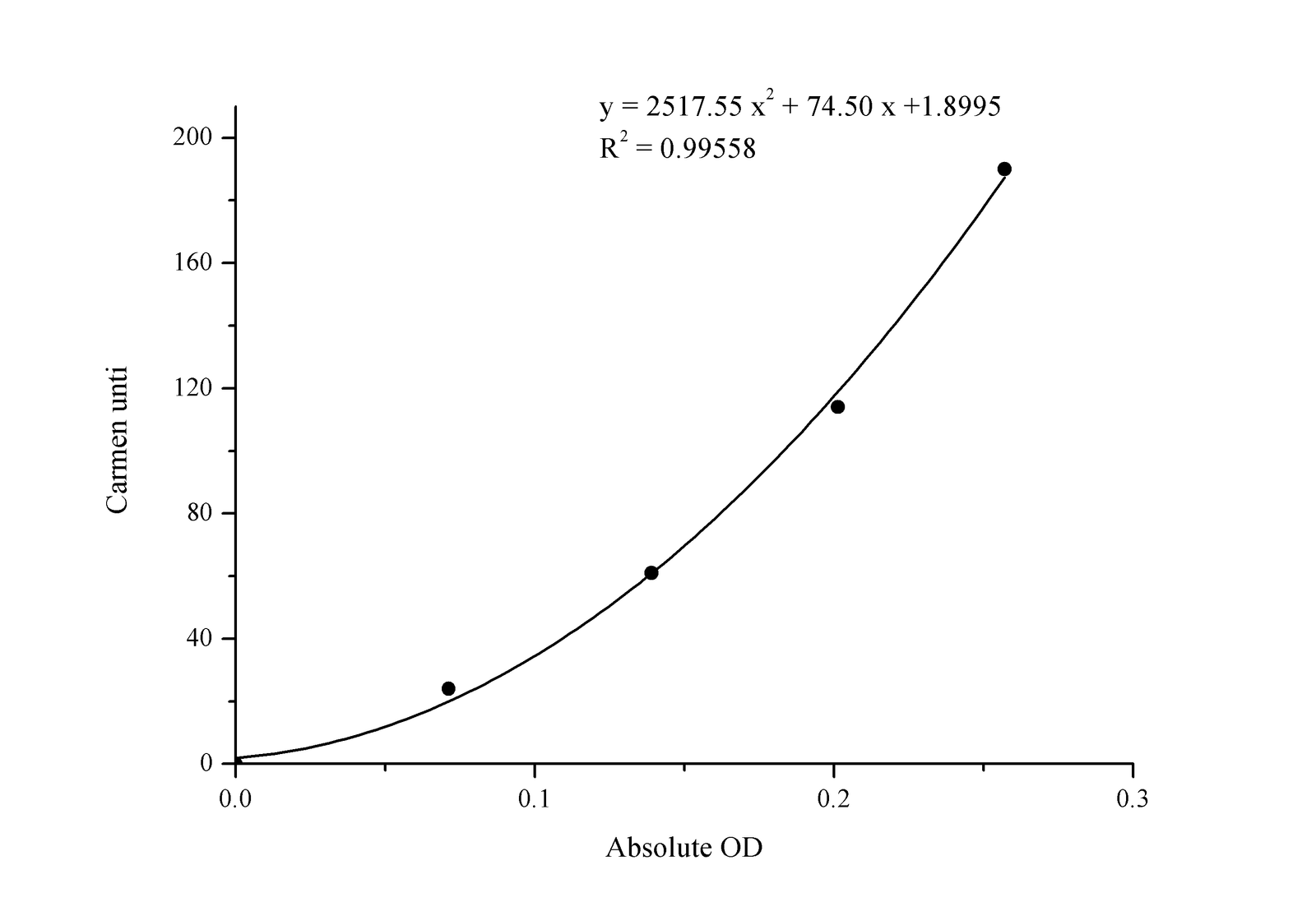
AST/GOT enables alpha-ketoglutaric acid and aspartic acid to displace amino and keto groups to form glutamic acid and oxaloacetic acid. Oxaloacetic acid can decarboxylate itself to form Pyroracemic acid during the reaction. Pyroracemic acid reacted with 2,4-dinitrophenylhydrazine(DNPH) to form 2,4, dinitrophenylhydrazone showing reddish brown in alkaline solution. Measure the OD values and calculate the enzyme activity.

Manufacturer: Elabscience
The activity of SOD was measured by WST-1 method in this kit and the principles of the WST-1 is as follows. Xanthine Oxidase (XO) can catalyze WST-1 react with O2.- to generate a water-soluble formazan dye. SOD can catalyze the disproportionation of superoxide anions, so the reaction can be inhibited by SOD, and the activity of SOD is negatively correlated with the amount of formazan dye. Therefore, the activity of SOD can be determined by the colorimetric analysis of WST-1 products.
Manufacturer: Elabscience
The coloured substance have a maximum absorption peak at 546 nm. Measure the OD value at 546 nm and the LDL-C content in the sample can be calculated.