
Search Result
Found "3416" results return by the query.
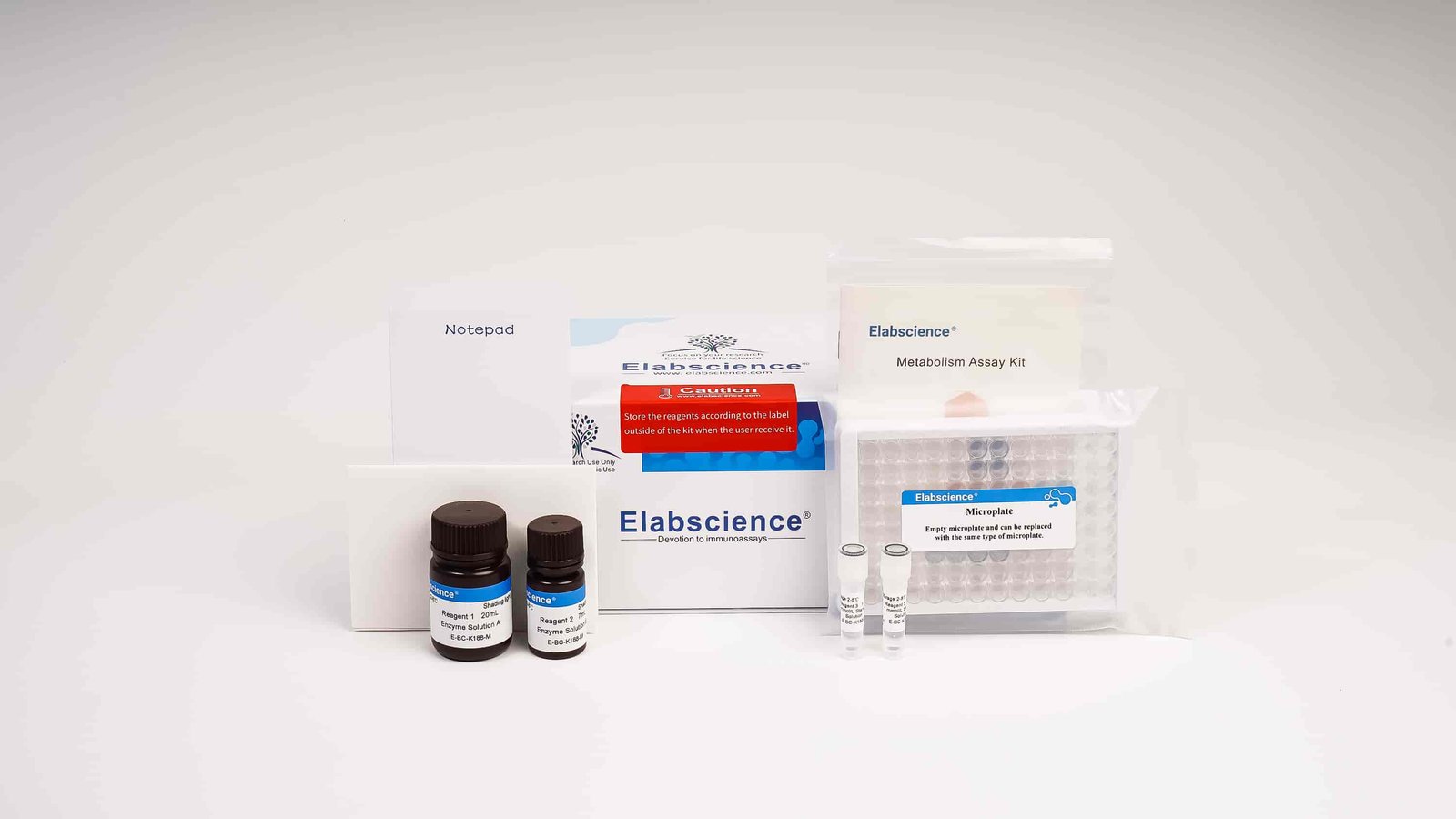
Manufacturer: Elabscience
Fumarase (FUM), also known as malate lyase, fumarate hydrase or fumarase, is an important enzyme in the tricarboxylic acid cycle, which can catalyze the hydration of fumarase to synthesize malic acid. FUM is a kind of intracellular enzyme that exists widely in plants and animals. The detection principle of this kit: fumarase catalyze fumaric acid products under the action of electronic coupler to reduce the chromogenic reagent to orange products, detection at about 450 nm has the maximum absorption peak.

Manufacturer: Elabscience
Phytic acid, also known as inositol hexaphosphate, is widely found in cereals, beans, and vegetables. The detection principle of this kit: Phytic acid generates inorganic phosphorus under the catalysis of enzyme. Under acidic conditions, inorganic phosphorus reacts with ammonium molybdate to produce blue molybdenum blue substance, which has a characteristic absorption peak at 700 nm. By measuring the content of inorganic phosphorus, the phytic acid content can be calculated.
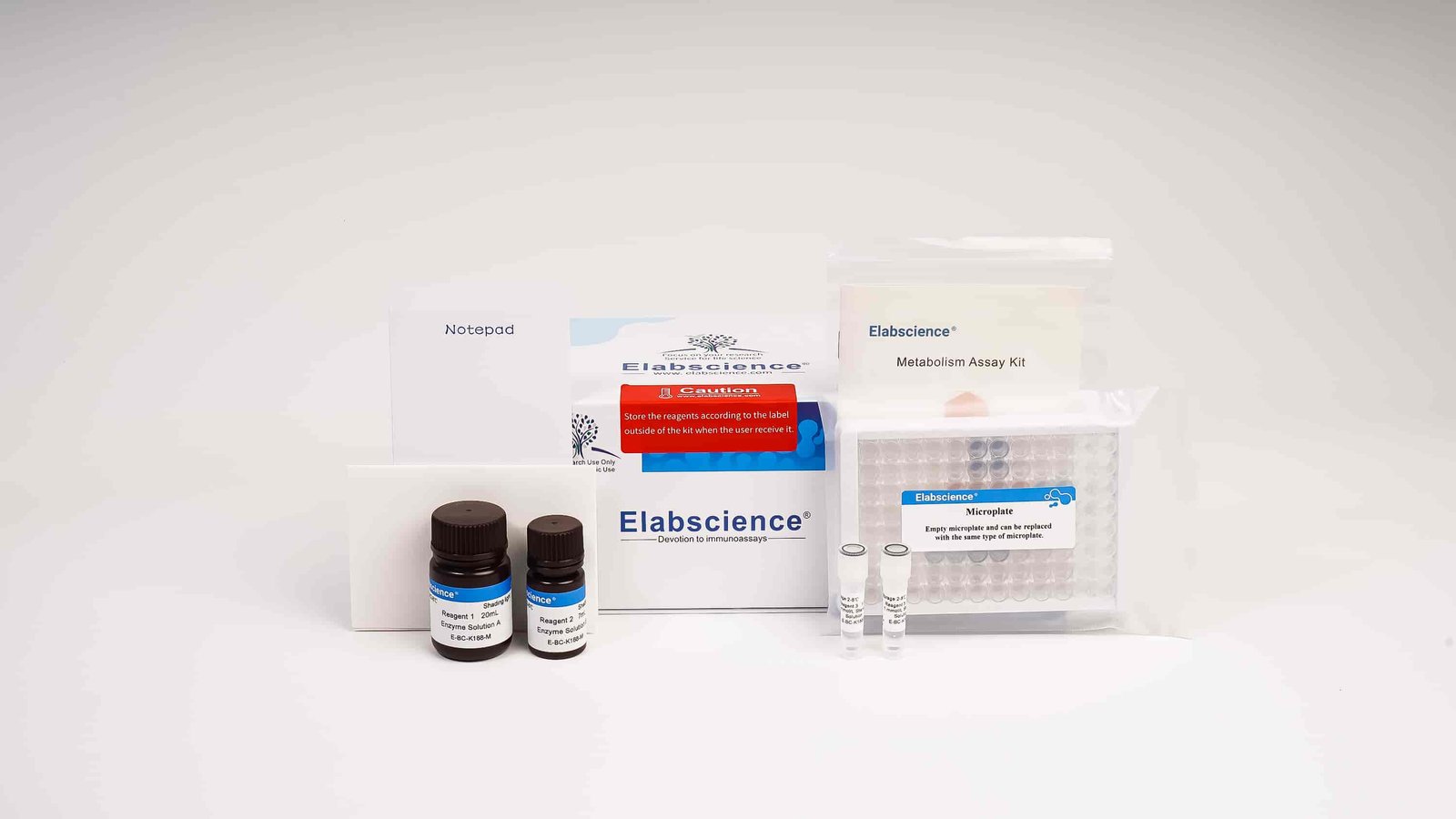
Manufacturer: Elabscience
Triglycerides (TG) can be hydrolyzed by lipoprotein lipase into glycerol and free fatty acids. Glycerol produces glycerol-3-phosphate and ADP under the catalysis of glycerol kinase (GK). Glycerol-3-phosphate produces hydrogen peroxide under the action of glycerol phosphate oxidase (GPO). In the presence of 4-aminoantipyrine and phenol, hydrogen peroxide is catalyzed by peroxidase (POD) to produce quinones which is proportional to the content of TG.
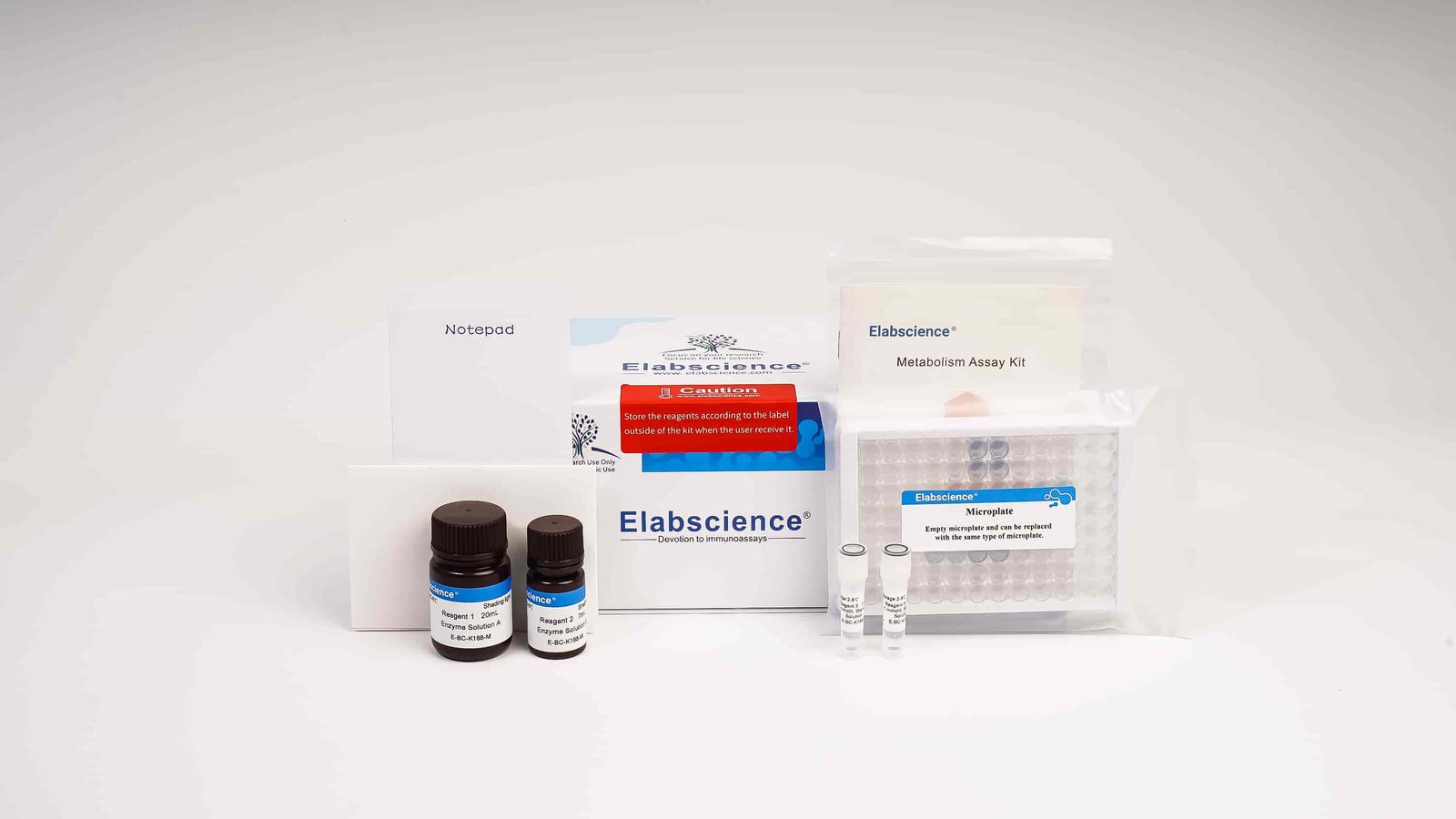
Manufacturer: Elabscience
ABTS is oxidized to green ABTS+ by appropriate oxidant, which can be reduced to colorless ABTS in the presence of antioxidants. The TAS of the sample can be determined and calculated by measuring the absorbance of ABTS+ at 660 nm. Trolox is an analog of VE and has a similar antioxidant state to that of VE. Trolox is used as a reference substance for total antioxidant status.
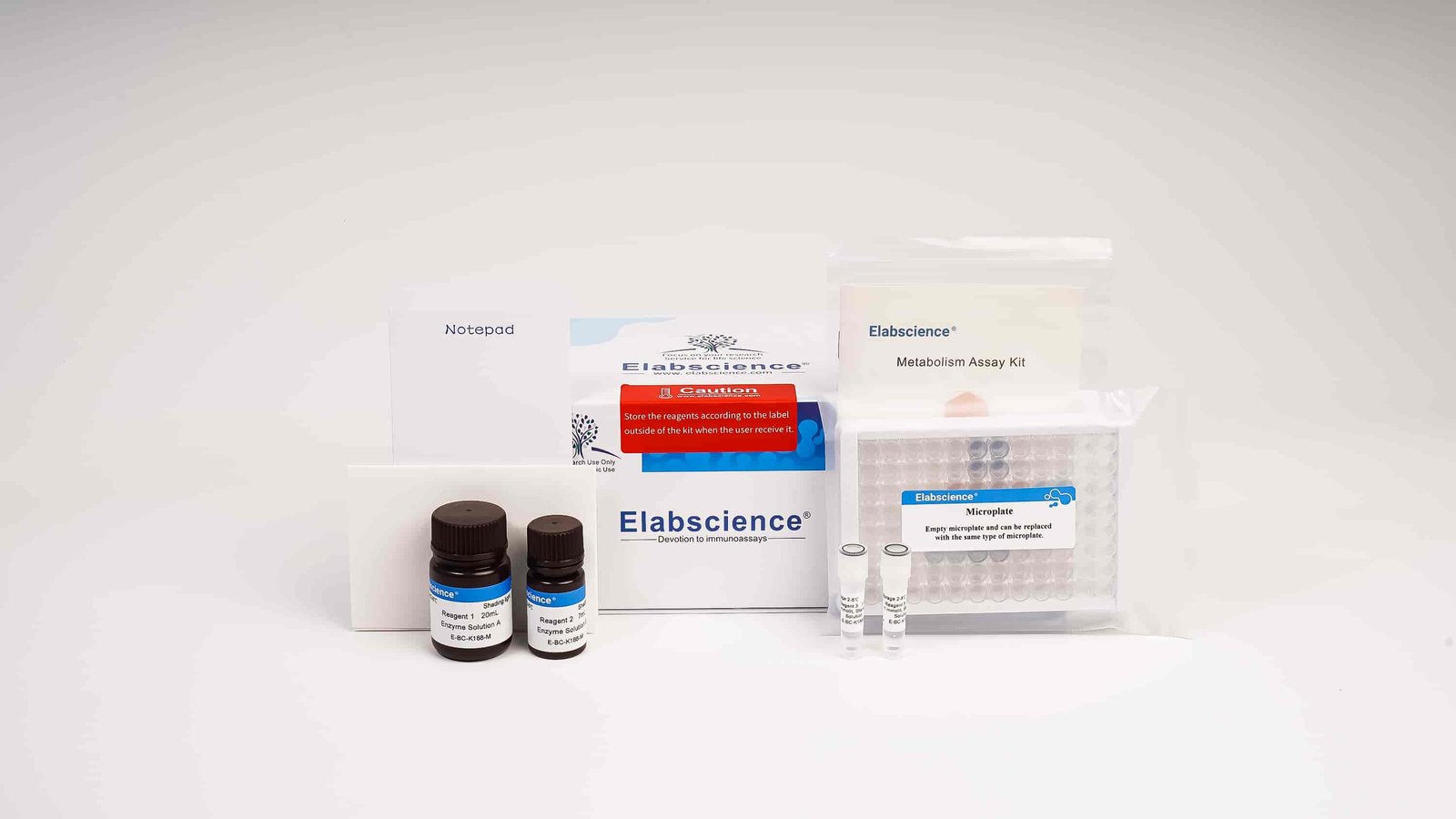
Manufacturer: Elabscience
MDA in the catabolite of lipid peroxide can react with thiobarbituric acid (TBA) and produce red compound, which has a maximum absorption peak at 532 nm.

Manufacturer: Elabscience
Under acid conditions, the oxidizing material in the sample can oxidize Fe2+ to Fe3+, which binds highly with xylenol orange to produce a blue-purple complex. When the pH of solution is in the range of 2-3, its maximum absorption wavelength is around 590 nm, and the color depth is proportional to the content of oxidation substances in a certain concentration and a certain time, so as to indirectly calculate the total oxidation state of the sample.

Manufacturer: Elabscience
Under the alkaline condition, the sodium tetraphenylborate reacts with the potassium ions in the sample to form the potassium tetraphenylborate which is white and small particles with small solubility. Potassium tetraphenylborate particles are in a stable suspension state in the solution. The turbidity is proportional to the potassium ion concentration in the sample and potassium content can be calculated indirectly by measuring the OD value at 450 nm.
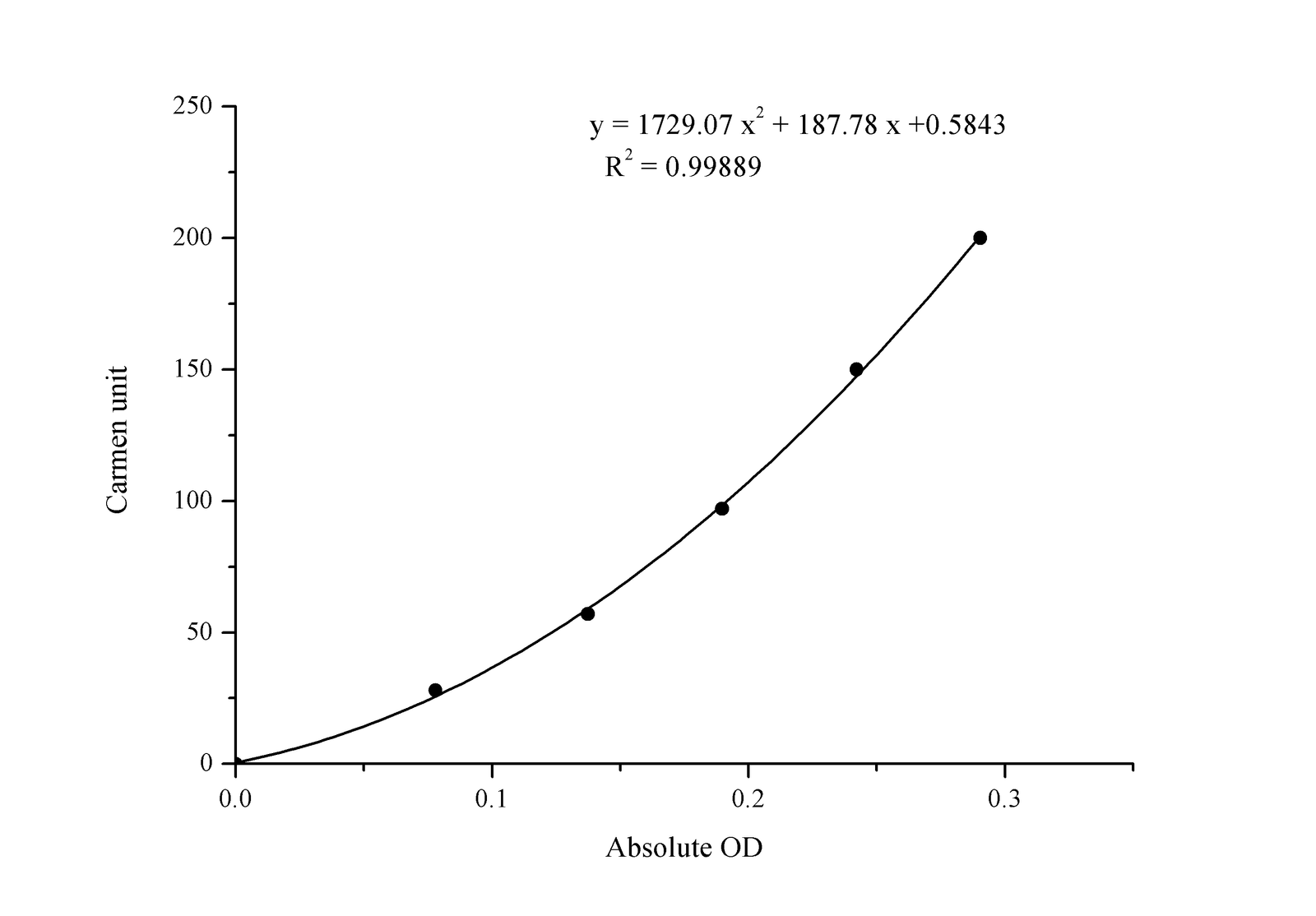
Manufacturer: Elabscience
ALT catalyze the amino conversion reaction between alanine and α-ketoglutaric acid to produce pyruvic acid and glutamic acid at pH 7.4 and 37°C. Then phenylhydrazine was added to form phenylhydrazone with pyruvic acid. Phenylhydrazone is reddish brown under alkaline conditions. ALT activity can be calculated by measuring the OD values at 510 nm.

Manufacturer: Elabscience
Using coenzyme I as a hydrogen carrier, LDH catalyze lactic acid to produce pyruvate. Pyruvate reacted with 2, 4-dinitrophenylhydrazine to form pyruvate dinitrophenylhydrazone, which was red-brown in alkaline solution, and the color depth was proportional to pyruvate concentration. The activity of LDH could be calculated by measuring OD value.