
Cell Culture
Cell Culture
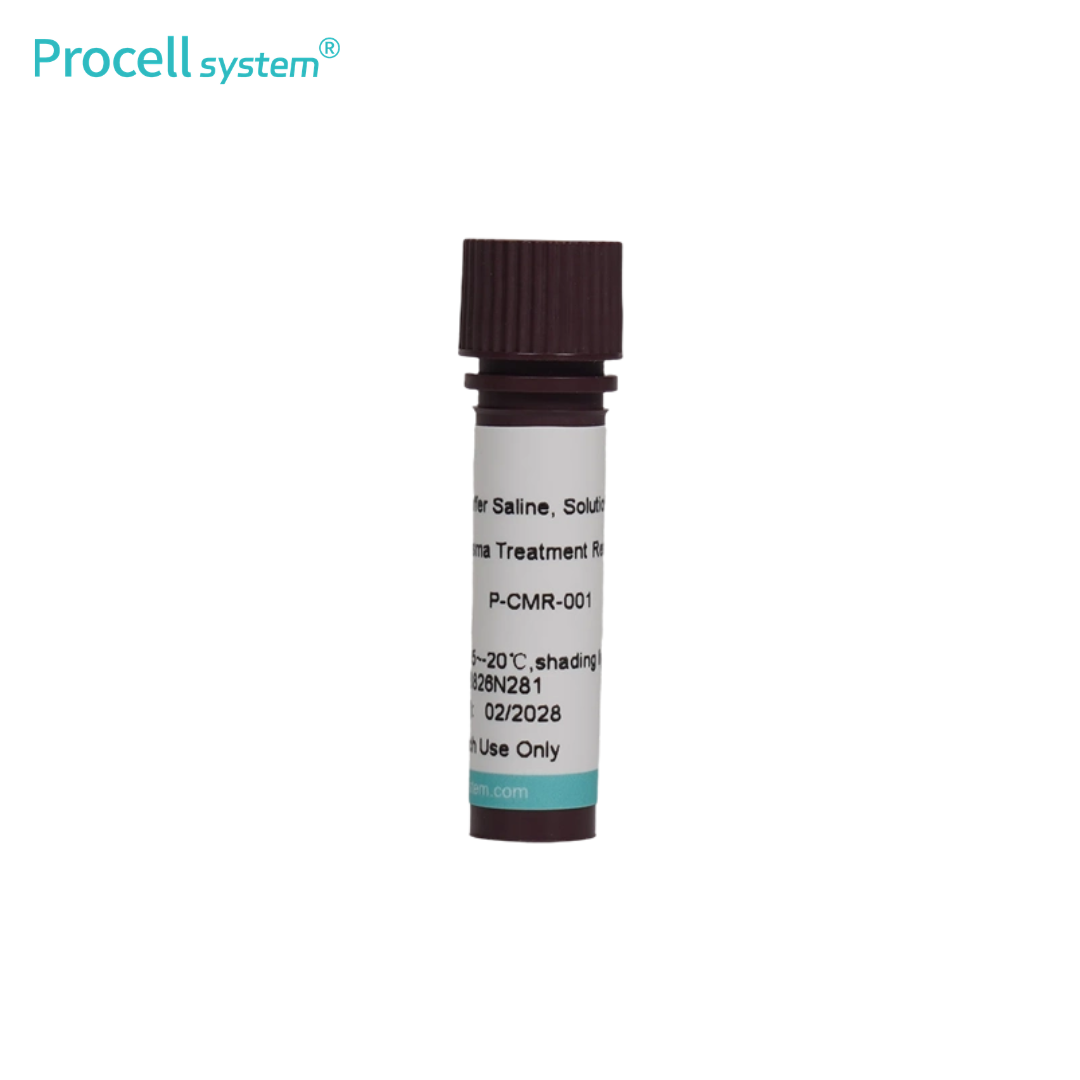
Manufacturer: Procell System
Mycoplasma is the smallest and simplest prokaryote found so far, with a diameter of 0.1-0.3 μm. It can easily pass through the filter membrane and enter the cell culture system. It has various forms such as sphere, rod, filamentous and branching. Usually attached to the surface of the cell membrane, there is no cell wall, so ordinary antibiotics have no effect on it. Mycoplasma contamination is widespread and often underestimated in cell cultures. Mycoplasma contamination can cause many problems, such as changes in cell growth rate, cell morphology, chromosome aberrations, cell membrane antigenicity changes, cell metabolism changes, reduced survival rate after cell resuscitation, and so on, which ultimately leads to inaccurate or incorrect experimental results. Therefore, it is of great significance to clean up mycoplasma contamination in cell culture.
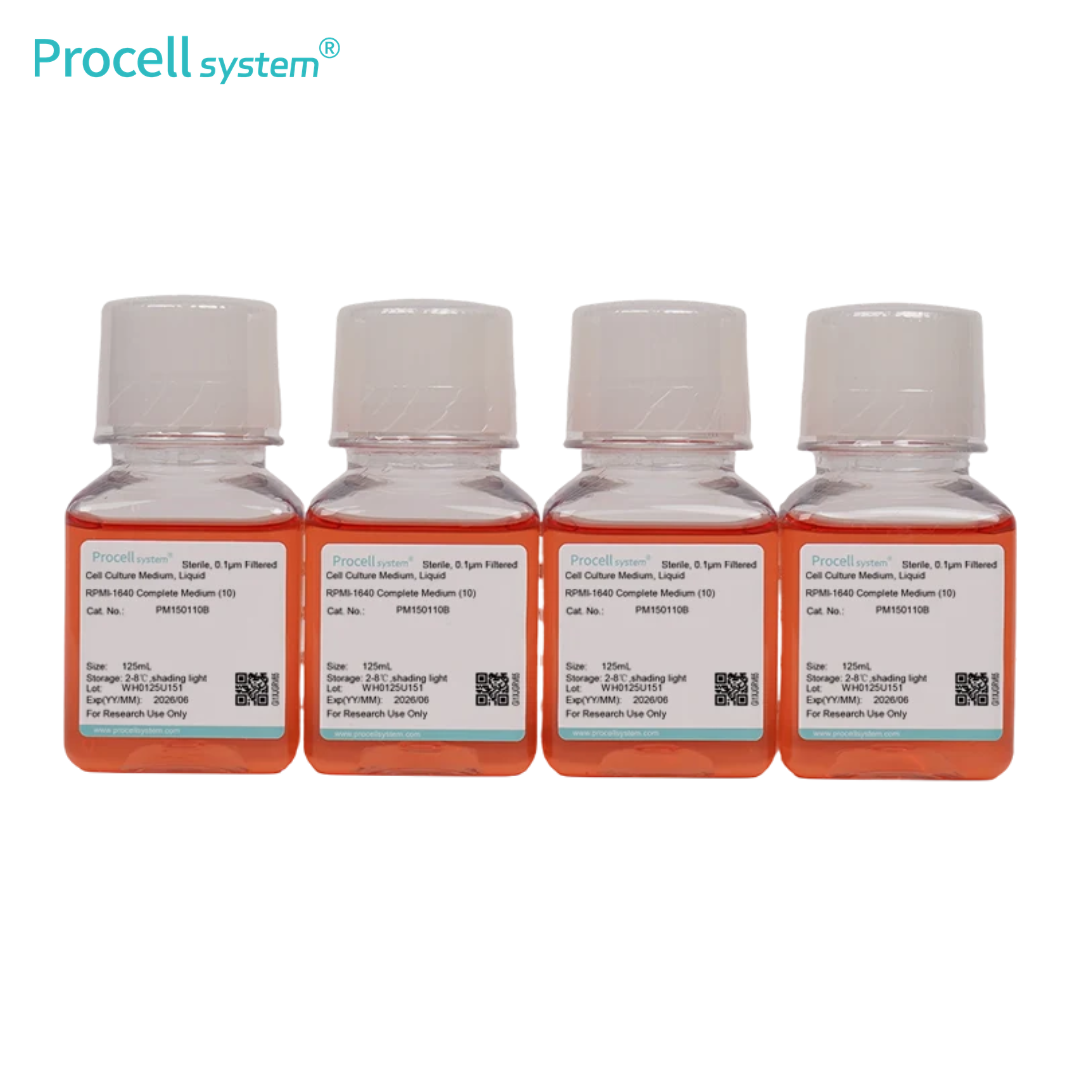
Manufacturer: Procell System
RPMI-1640 is an improved Mccoy's 5A medium, which uses bicarbonate buffer system. RPMI-1640 medium was originally designed for lymphocyte culture. Nowadays, it has been widely used in the culture of normal cells and cancer cells, especially suspension cells, which is one of the most widely used media. RPMI-1640 medium contains many kinds of amino acids, vitamins, inorganic salts and other ingredients for cell culture, but does not contain protein, lipids or any growth factors. Therefore, the product should be used serum or serum-free additives.
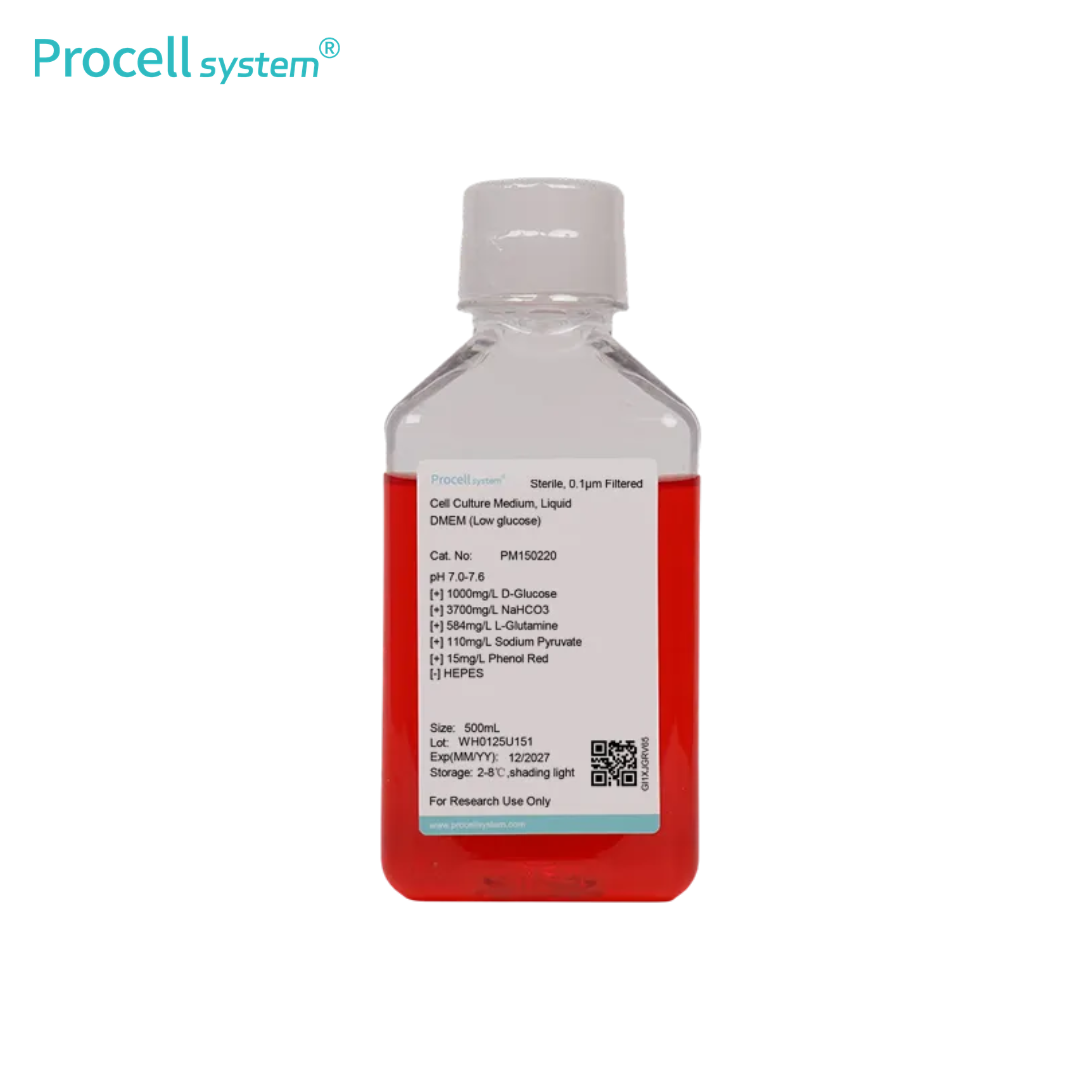
Manufacturer: Procell System
DMEM (Dulbecco's Modified Eagle Medium) was developed on the basis of MEM medium. Compared with MEM medium, the content of amino acid increased by 2 times, the content of vitamin increased by 4 times, and the content of non-essential amino acid, trace iron ion and sodium pyruvate were increased by 4 times. The glucose content of DMEM medium was originally designed as 1000 mg/L (low Glucose type), and then developed into 4500 mg/L (high Glucoser type), which has been widely used in cell culture. DMEM (Low glucose) contains many kinds of amino acids, vitamins, inorganic salts and other ingredients for cell culture, but does not contain protein, lipids or any growth factors, so the product should be used with serum or serum-free additives.
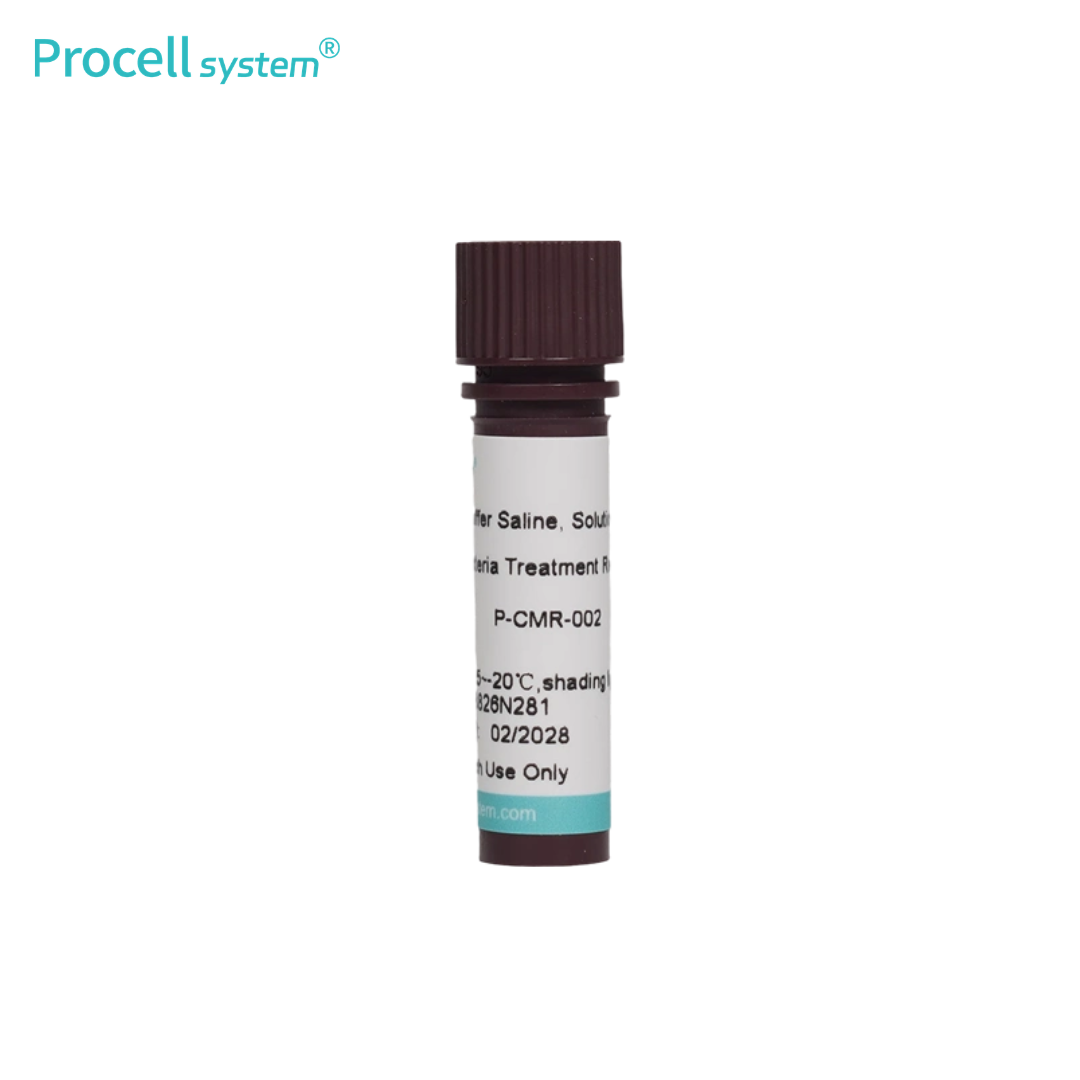
Manufacturer: Procell System
Nanobacteria and their decomposition complexes are the common contaminant in cell cultures that co-exists with cells. Antibiotics are usually ineffective. Nanobacteria grows competitively with cells, which is unfavorable to cell growth, and in severe cases causes cell death. At present, many cells are contaminated with nanobacteria, which has a great impact on cell culture and subsequent experiments. The common characteristics of cells contaminated by nanobacteria are as follows: (1) The medium is not turbid, but when the cells are observed under a microscope, there are many "small black spots" around the cells or in the culture medium. With the extension of culture time, the "small black spots" gradually increase, and they cannot be removed by changing the culture medium or washing the cells (2) The cells contaminated by the "small black spots" consume fast nutrients and require frequent replacement of the culture medium (3) Nanobacteria-contaminated cells grow slowly, have poor cell states, and are severely vacuolated. They may even cause changes in cell morphology. Therefore, it is of great significance to clean up nanobacteria contamination in cell culture.
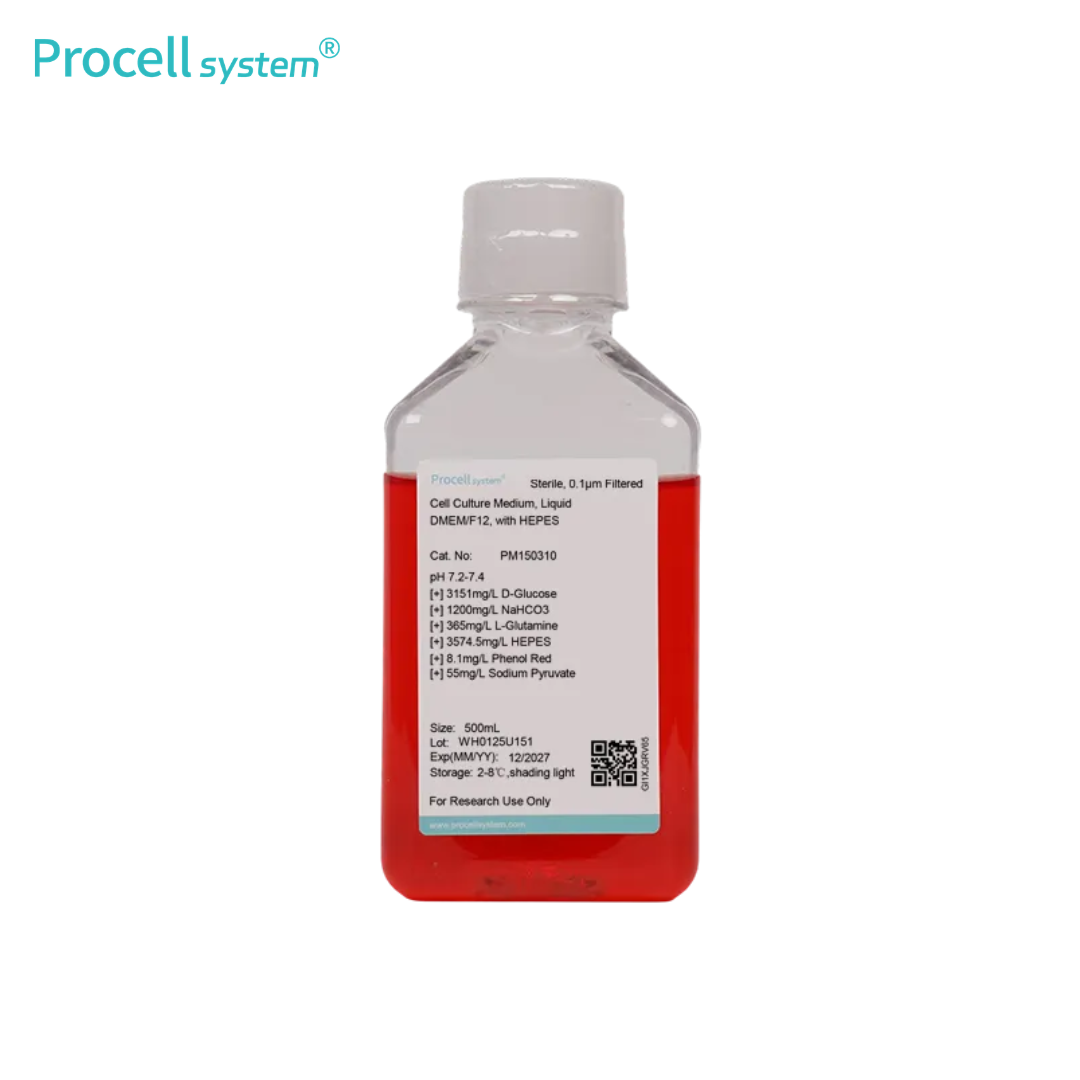
Manufacturer: Procell System
The DMEM/F12 medium is based on the DMEM medium, adding more nutritious elements from F12 medium, which contains a variety of trace elements, and is widely used in the culture of many mammalian cells. At the same time, DMEM/F12 medium is often used as the basis for the development of serum-free medium. It is also suitable for mammalian cell culture and clone density culture under low serum content. This product contains many kinds of amino acids, vitamins, inorganic salts and other ingredients for cell culture, but does not contain protein, lipids or any growth factors. Therefore, the product should be used with serum or serum-free additives.
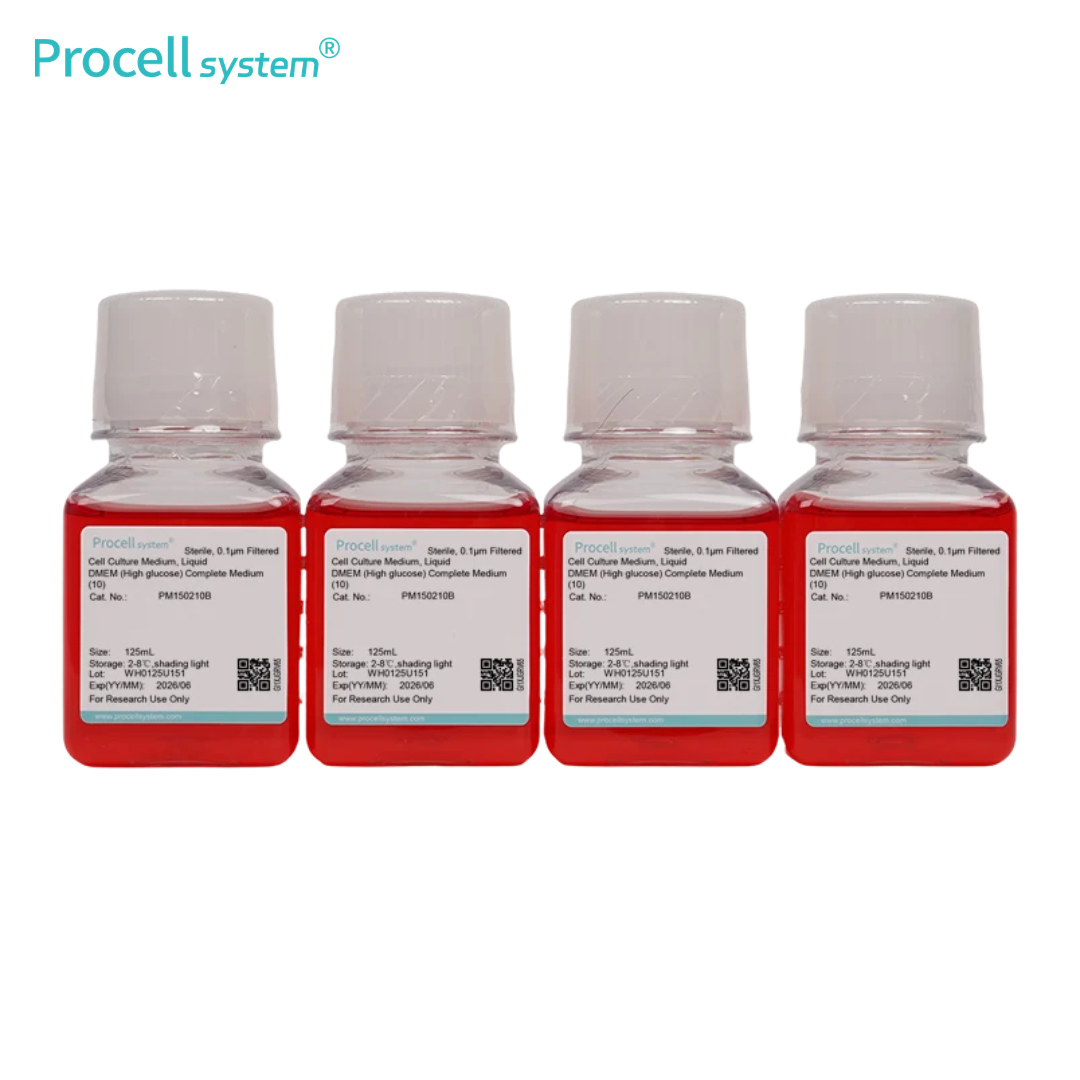
Manufacturer: Procell System
DMEM (Dulbecco's Modified Eagle Medium) was developed on the basis of MEM medium. Compared with MEM medium, the content of amino acid increased by 2 times, the content of vitamin increased by 4 times, and the content of non-essential amino acid, trace iron ion and sodium pyruvate were increased by 4 times. The glucose content of DMEM medium was originally designed as 1000 mg/L (low Glucose type), and then developed into 4500 mg/L (high Glucose type), which has been widely used in cell culture. DMEM (High glucose) was widely used in fast growth, low adhesion cells, hybridoma myeloma cells, clone cells, DNA transfected transformation cells, various primary virus host cells, single cell culture and vaccine production. DMEM (High glucose) contains many kinds of amino acids, vitamins, inorganic salts and other ingredients for cell culture, but does not contain protein, lipids or any growth factors, so the product should be used with serum or serum-free additives.
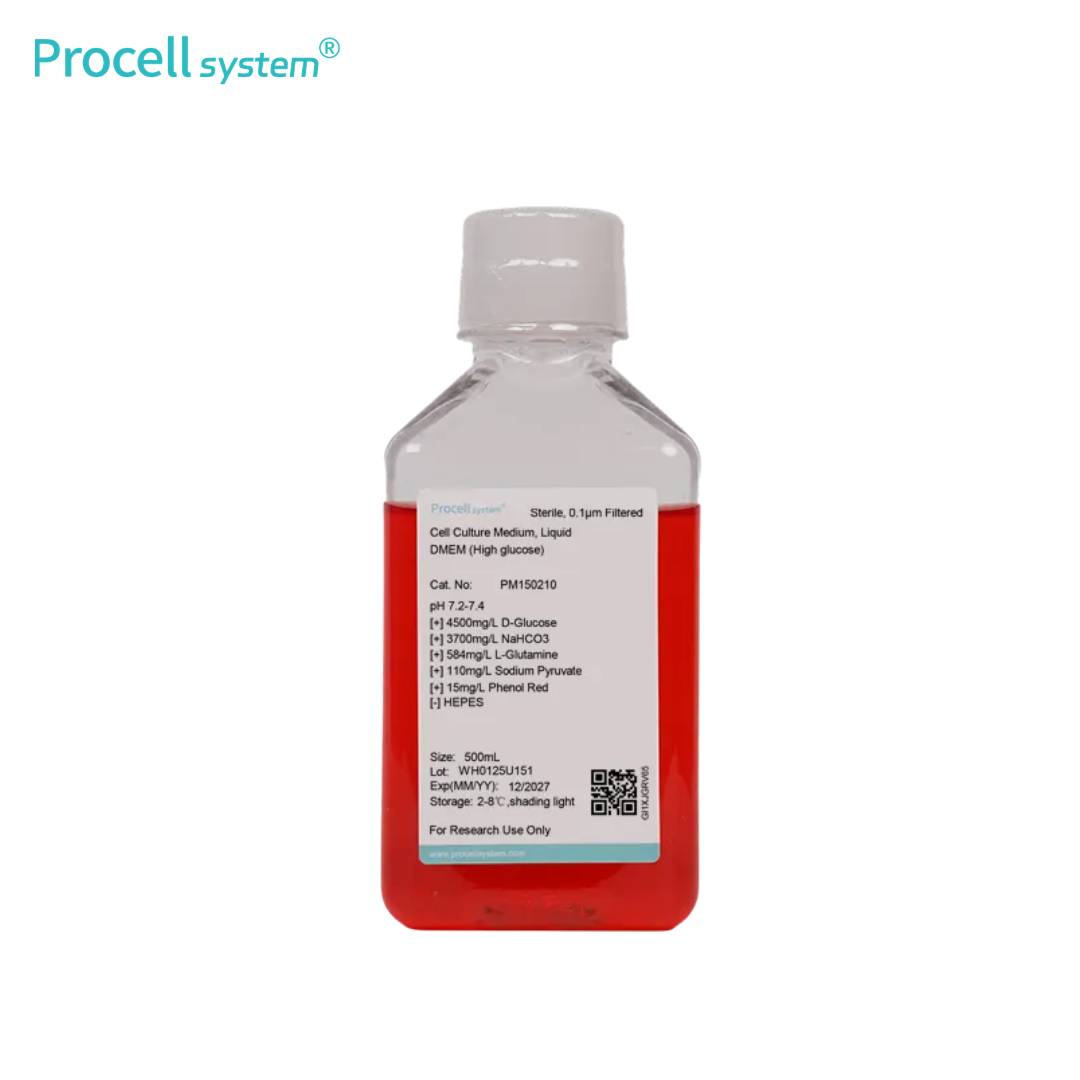
Manufacturer: Procell System
Trypsin is a serine hydrolase that can cut the base-side segment of the lysine and arginine residue in the polypeptide chain, hydrolyze the protein between the cells, and destroy the connection between the cells, so that the tissue or the adherent cells are dispersed into a single cell. The activity of the trypsin is related to the characteristics of the tissue or the cells, the concentration of the trypsin, the temperature and the time of action. At pH 8.0 and 37℃, the effect of the trypsin is the best. Therefore, the concentration of trypsin, the temperature and the time of the pancreatic enzyme should be grasped to avoid the excessive damage of the cells. In general, the frequently-used working concentration of the trypsin is 0.25%, while the concentration of trypsin for the semi-adherent cells or the cells is 0.05%. Since EDTA is able to bind Ca2+ and Mg2+ to destroy the cell connection to promote the dissociation of the cells, a certain amount of EDTA is often added to the trypsin solution to enhance the dissociation effect.
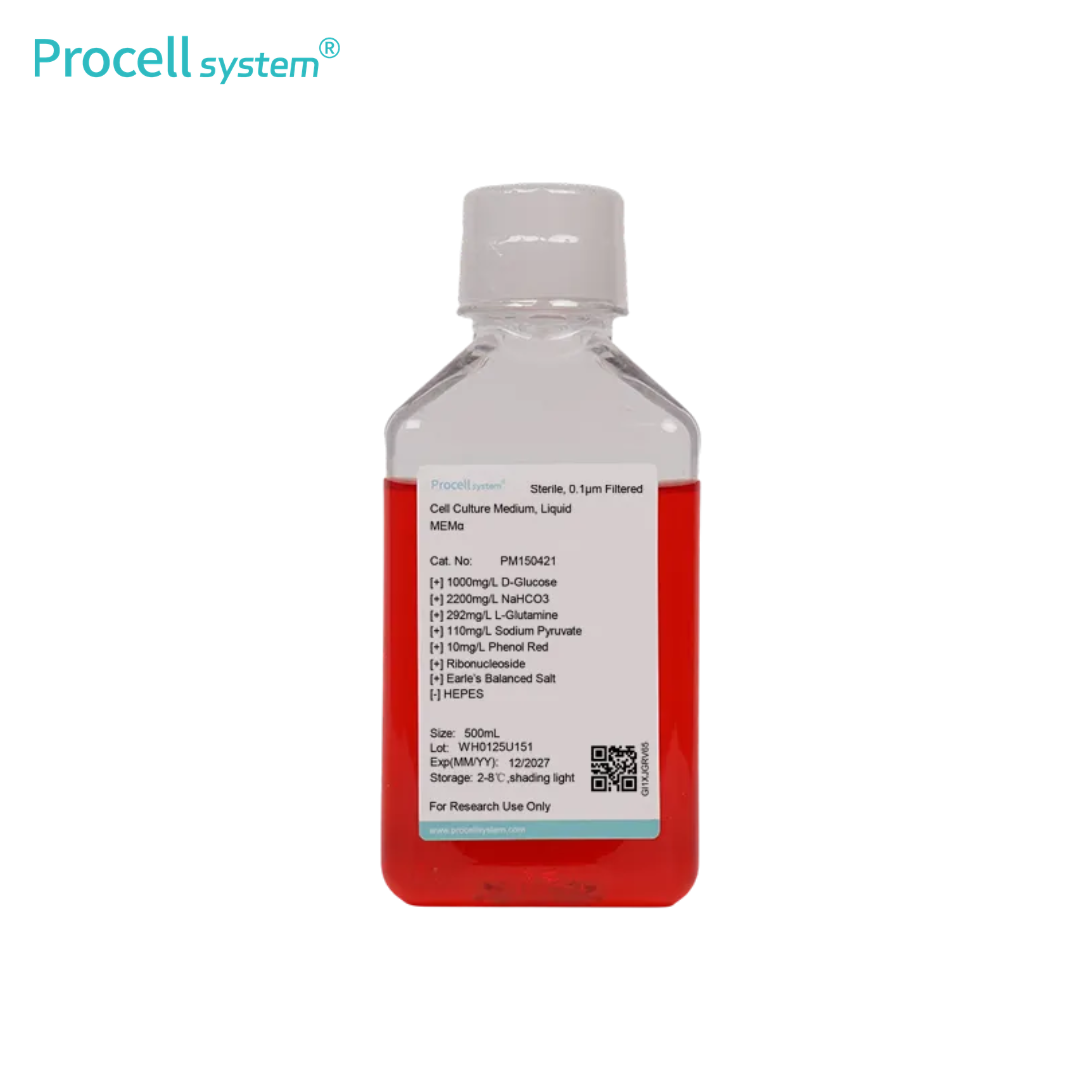
Manufacturer: Procell System
MEMα was developed on the basis of MEM medium. Compared with MEM medium, NEAA, sodium pyruvate, zinc sulfate, VB12, biotin and ascorbic acid were added. It is widely used in suspension and adherent cell culture of various mammals. MEMα medium without nucleoside and deoxynucleoside is often used as medium for DG44 and other DHFR- cells. This product contains many kinds of amino acids, vitamins, inorganic salts and other ingredients for cell culture, but does not contain protein, lipids or any growth factors. Therefore, the product should be used with serum or serum-free additives.
Manufacturer: Procell System
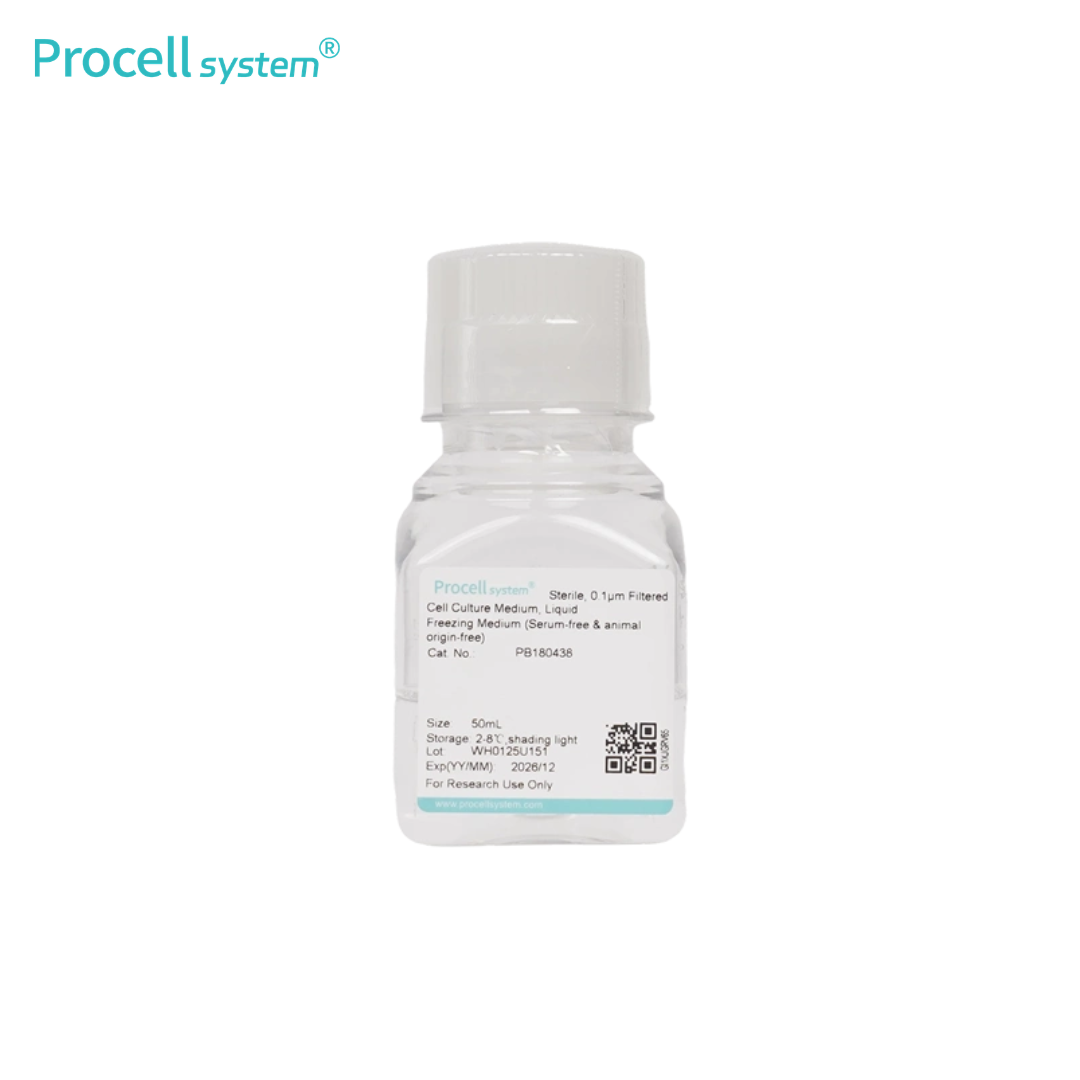
In vitro cell culture, in order to preserve the biological activity of cells for a long time, the cells must be cryopreserved, and resuscitated when necessary. At present, the most commonly used method for cell cryopreservation is liquid nitrogen method. In the process, add an appropriate amount of protective agent to slowly cool the cells to the specified temperature range, so as to achieve the purpose of protecting the cells. The Serum-free Cell Freezing Medium is a special cryopreservation product developed by Pricella for hundreds of types of cells by continuously optimizing experimental conditions for cell cryopreservation and resuscitation in the long-term cell research. The product adds cell sedimentation stabilizer, which can delay the sedimentation rate of cells in the process of cryopreservation, prevent cells from squeezing each other and affect the effect of cell cryopreservation. In addition, a variety of cryoprotectants, such as cell membrane protectors, permeable intracellular membrane protectors, and non-permeable cell protectors, are added. These components combine with water molecules in the solution to hydrate and weaken the crystallization process of water, increasing the viscosity of the solution and reducing the formation of ice crystals, which can greatly reduce the damage of ice crystals to cells during cryopreservation, and effectively improve the survival rate of cell after resuscitation. The product formula is clear, does not contain serum or animal derived protein, which can reduce comtamination risk from bacteria, viruses and mycoplasma, and ensure the safety of frozen cells. It is not only suitable for conventional cell lines, primary cells, but also for serum-free culture cells and protein-expressing cells. Compared with traditional cryopreservation media, there is no need for tedious and time-consuming gradient freezing steps, and no need for expensive program cooling equipment. Cells can be directly resuspended and placed at -80℃, and transferred to liquid nitrogen the next day to complete the entire process, saving a lot of time and energy.