
Cell Culture
Cell Culture

Manufacturer: Procell System
BV2 Cell Complete Medium is a ready-to-use medium that can be directly used for the culture of BV2 cells, which is carefully designed and optimized by Pricella's R&D team based on DMEM basal medium. This high-quality complete medium has been strictly verified by BV2 cells which could promote cell proliferation and maintain cell properties.
Manufacturer: Procell System
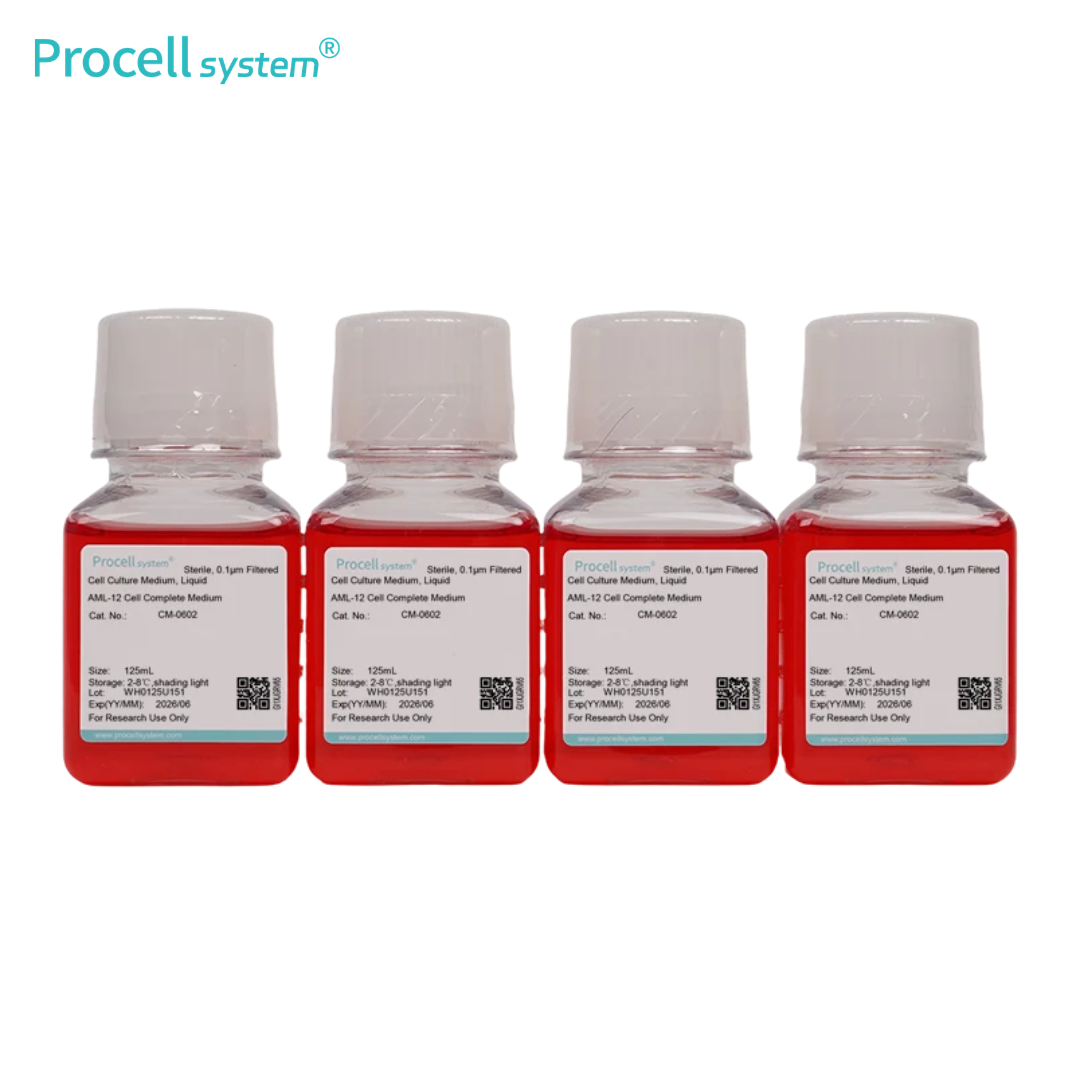
AML12 Cell Complete Medium is a ready-to-use medium that can be directly used for the culture of AML12 cells, which is carefully designed and optimized by Pricella's R&D team based on DMEM/F12 basal medium. This high-quality complete medium has been strictly verified by AML12 cells which could promote cell proliferation and maintain cell properties.
Manufacturer: Procell System
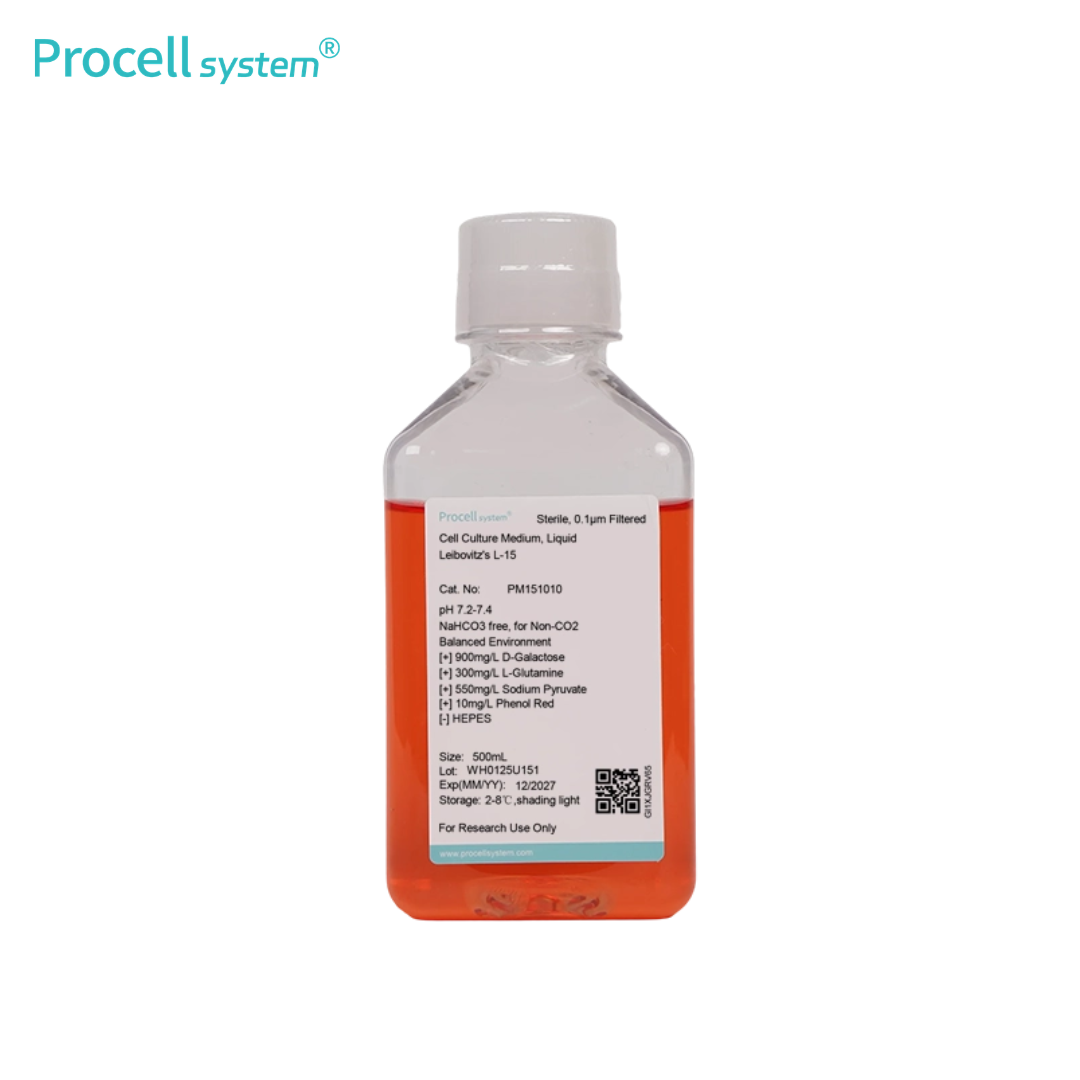
The buffer system of Leibovitz's L-15 medium is composed of phosphate and free amino acids, instead of the traditional sodium bicarbonate buffer system. Meanwhile, the substitution of galactose and sodium pyruvate for glucose prevents prevents the formation of acidic metabolic by-products, helps to maintain the stable pH of the medium. It is suitable for cell culture in a non-CO2 balanced environment. Leibovitz's L-15 medium is suitable for the culture of monkey kidney cells and HEP-2, the isolation of primary cells (such as embryonic and adult tissues), the culture of various viruses and the culture of neurons. Leibovitz's L-15 medium contains many kinds of amino acids, vitamins, inorganic salts and other ingredients for cell culture, but does not contain protein, lipids or any growth factors. Therefore, the product should be used with serum or serum-free additives.
Manufacturer: Procell System
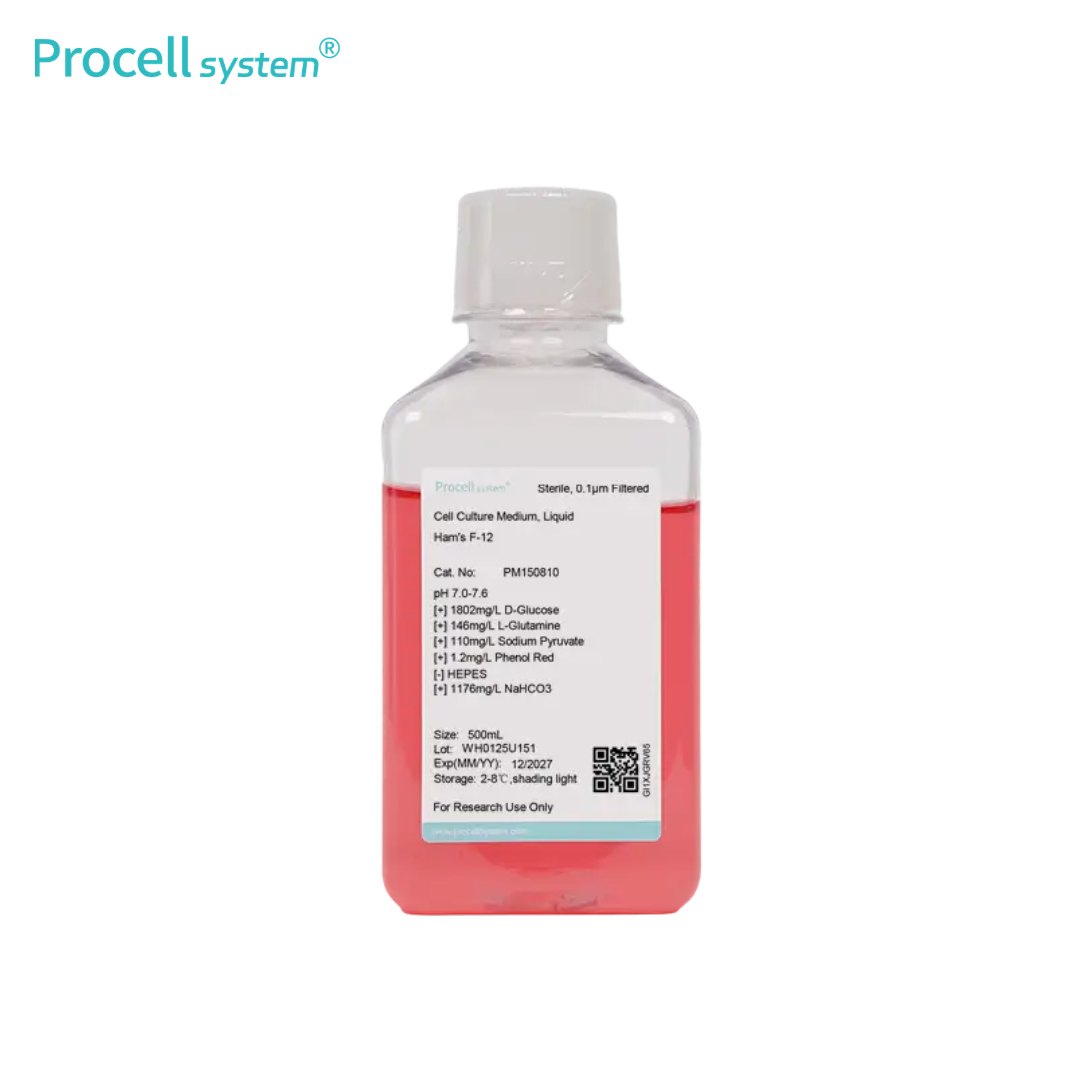
Ham's F-12 Nutrient Mixture was designed by Ham in 1969 based on Ham's F-10 nutrient mixture, which was originally used for serum-free culture of CHO cells. Ham's F-12 is often used as the basic culture medium for serum free culture. At low serum levels, it is especially suitable for single cell culture and clonal culture. After adding serum, it is also widely used in the culture of cancer cells and primary cells, such as rat hepatocytes, rat prostate epithelial cells, chondrocytes, rat myoblasts, and chicken embryonic cells. In addition, the DMEM/F12 medium obtained by mixing Ham's F-12 in equal volume with DMEM is more nutritious and widely used.
Manufacturer: Procell System
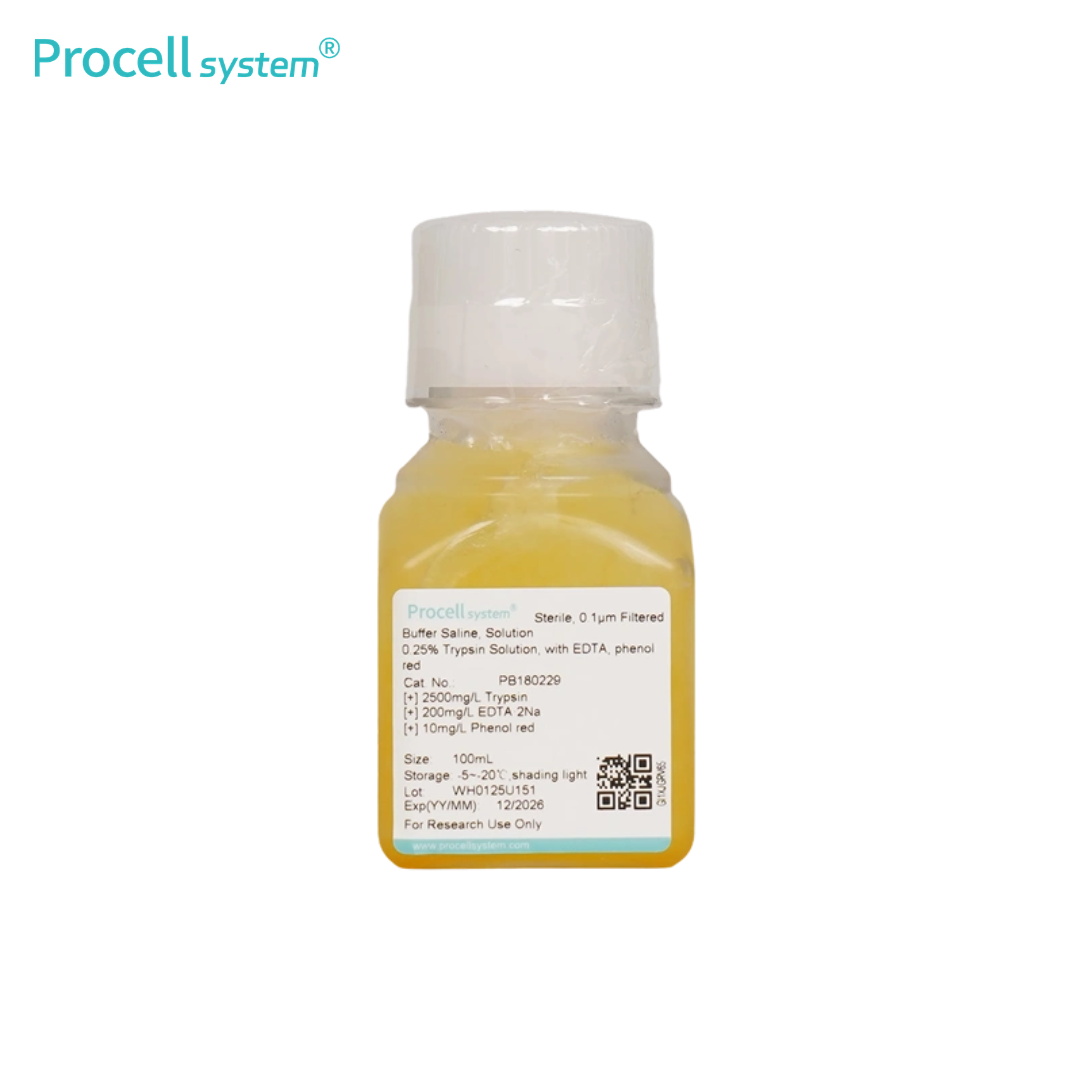
Trypsin is a serine hydrolase that can cut the base-side segment of the lysine and arginine residue in the polypeptide chain, hydrolyze the protein between the cells, and destroy the connection between the cells, so that the tissue or the adherent cells are dispersed into a single cell. The activity of the trypsin is related to the characteristics of the tissue or the cells, the concentration of the trypsin, the temperature and the time of action. At pH 8.0 and 37℃, the effect of the trypsin is the best. Therefore, the concentration of trypsin, the temperature and the time of the pancreatic enzyme should be grasped to avoid the excessive damage of the cells. In general, the frequently-used working concentration of the trypsin is 0.25%, while the concentration of trypsin for the semi-adherent cells or the cells is 0.05%. Since EDTA is able to bind Ca2+ and Mg2+ to destroy the cell connection to promote the dissociation of the cells, a certain amount of EDTA is often added to the trypsin solution to enhance the dissociation effect.
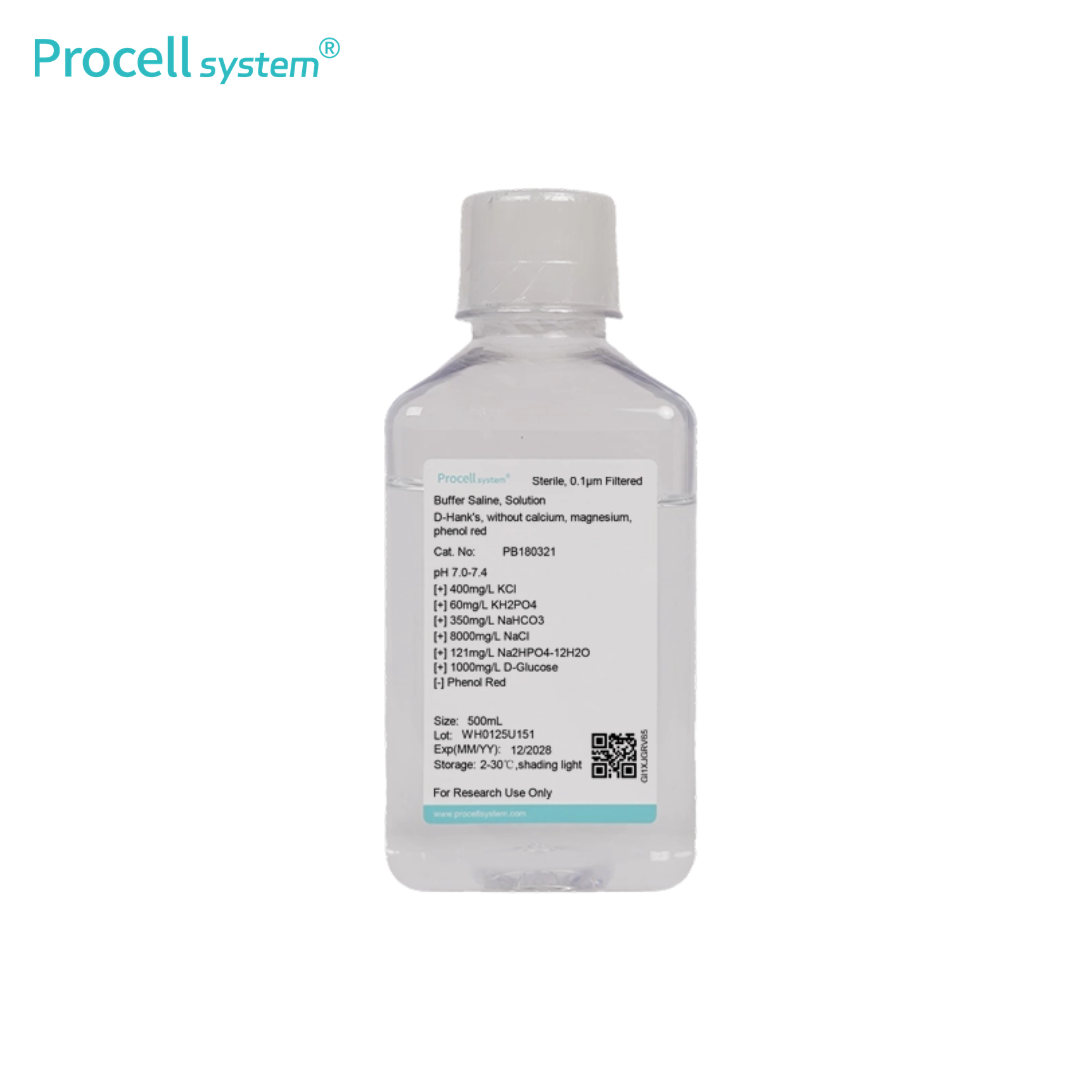
Manufacturer: Procell System
Balanced Salt Solution (Physiological Solution) have the properties of buffer solution (regulate pH), normal saline (maintain osmotic pressure) and culture medium (provide nutrition). It can meet the basic needs of survival and metabolism of tissues, organs or cells in vitro. A small amount of phenolic red was added to some equilibrium salt solutions to indicate the pH change of the solution. Hank's Balanced Salt Solution (HBSS) is one of the commonly used phosphate buffers in cell separation or culture. The main components are NaCl、KCl、KH2PO4、Na2HPO4、NaHCO3 and glucose. HBSS is used for the washing of cells before passage and tissue dissociation, preparation of cell dissociation reagent, transport of cell or tissue, dilution of cells, etc.
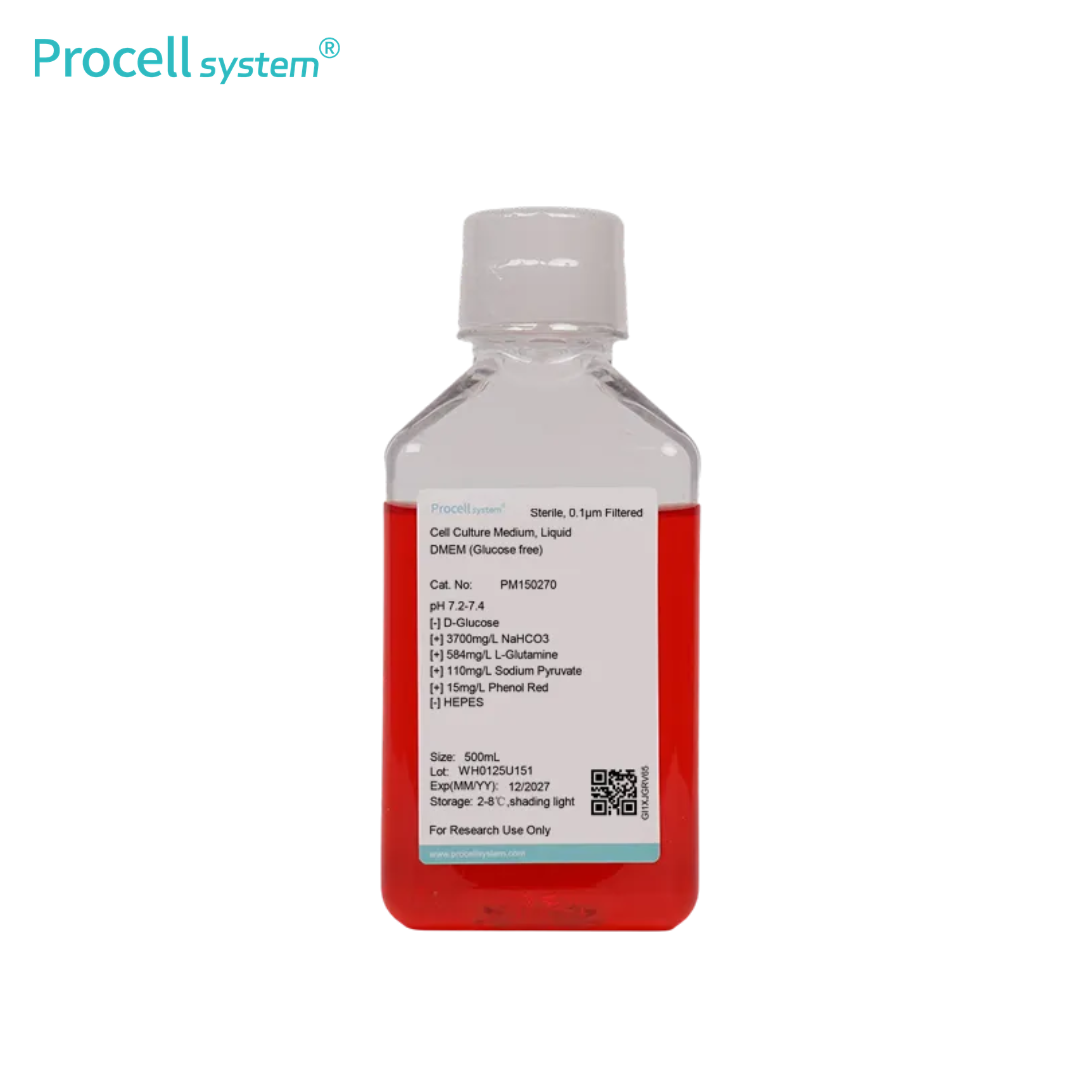
Manufacturer: Procell System
DMEM (Dulbecco's Modified Eagle Medium) was developed on the basis of MEM medium. Compared with MEM medium, the content of amino acid increased by 2 times, the content of vitamin increased by 4 times, and the content of non-essential amino acid, trace iron ion and sodium pyruvate were increased by 4 times. The glucose content of DMEM medium was originally designed as 1000 mg/L (low Glucose type), and then developed into 4500 mg/L (high Glucoser type), which has been widely used in cell culture. DMEM medium without glucose can be added to the concentration of glucose at will according to the research needs, which is convenient and quick. DMEM (glucose free) contains many kinds of amino acids, vitamins, inorganic salts and other ingredients for cell culture, but does not contain protein, lipids or any growth factors, so the product should be used with serum or serum-free additives.
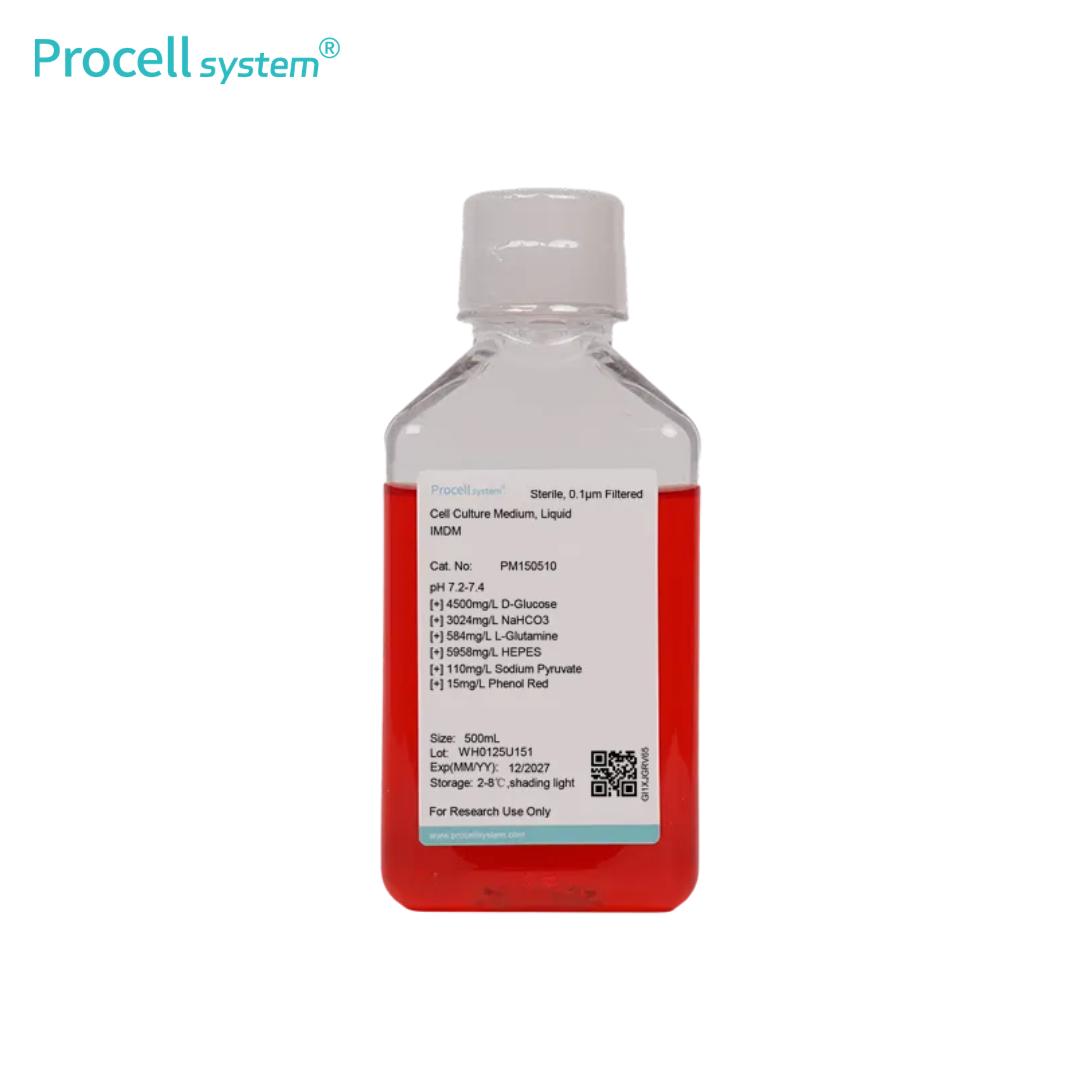
Manufacturer: Procell System
IMDM (Iscove's Modified Dulbecco Medium) is an improved DMEM medium, which is used for the culture of erythrocyte progenitor cells and macrophages. The IMDM medium was supplemented with selenium, HEPES, sodium pyruvate and additional amino acids and vitamins on the basis of the DMEM medium, and potassium nitrate instead of iron nitrate, which is suitable for the rapid proliferation, high-density cell culture. IMDM medium can not only culture cells with special nutritional requirements (such as mouse B lymphocytes, stimulated B cells stimulated by LPS, bone marrow hematopoietic cells, T lymphocytes and various hybridoma cells), It can also be used as a base solution for some unique serum-free medium. This product contains many kinds of amino acids, vitamins, inorganic salts and other ingredients for cell culture, but does not contain protein, lipids or any growth factors. Therefore, the product should be used with serum or serum-free additives.
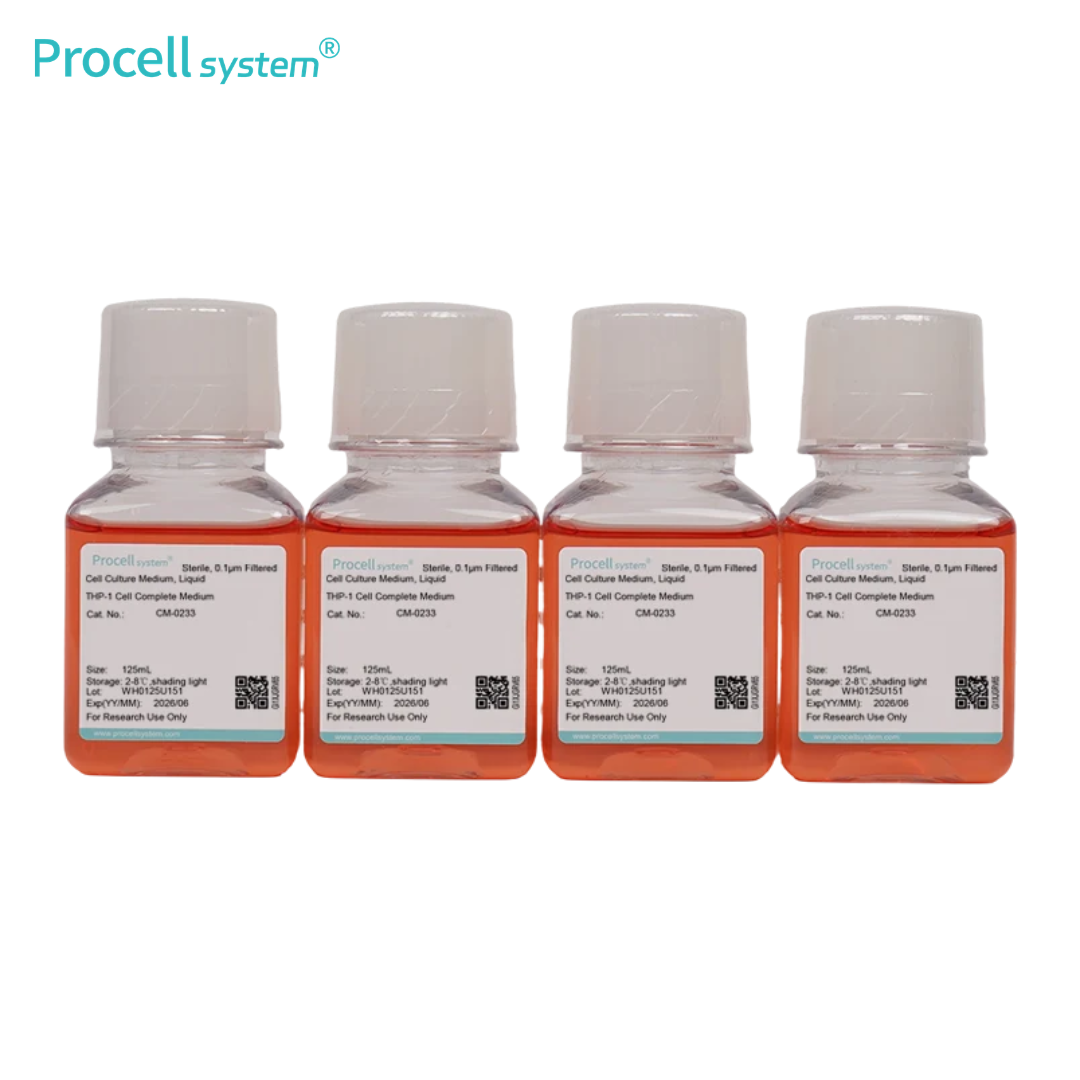
Manufacturer: Procell System
THP-1 Cell Complete Medium is a ready-to-use medium that can be directly used for the culture of THP-1 cells, which is carefully designed and optimized by Pricella's R&D team based on RPMI-1640 basal medium. This high-quality complete medium has been strictly verified by THP-1 cells which could promote cell proliferation and maintain cell properties.