

1. Introduction
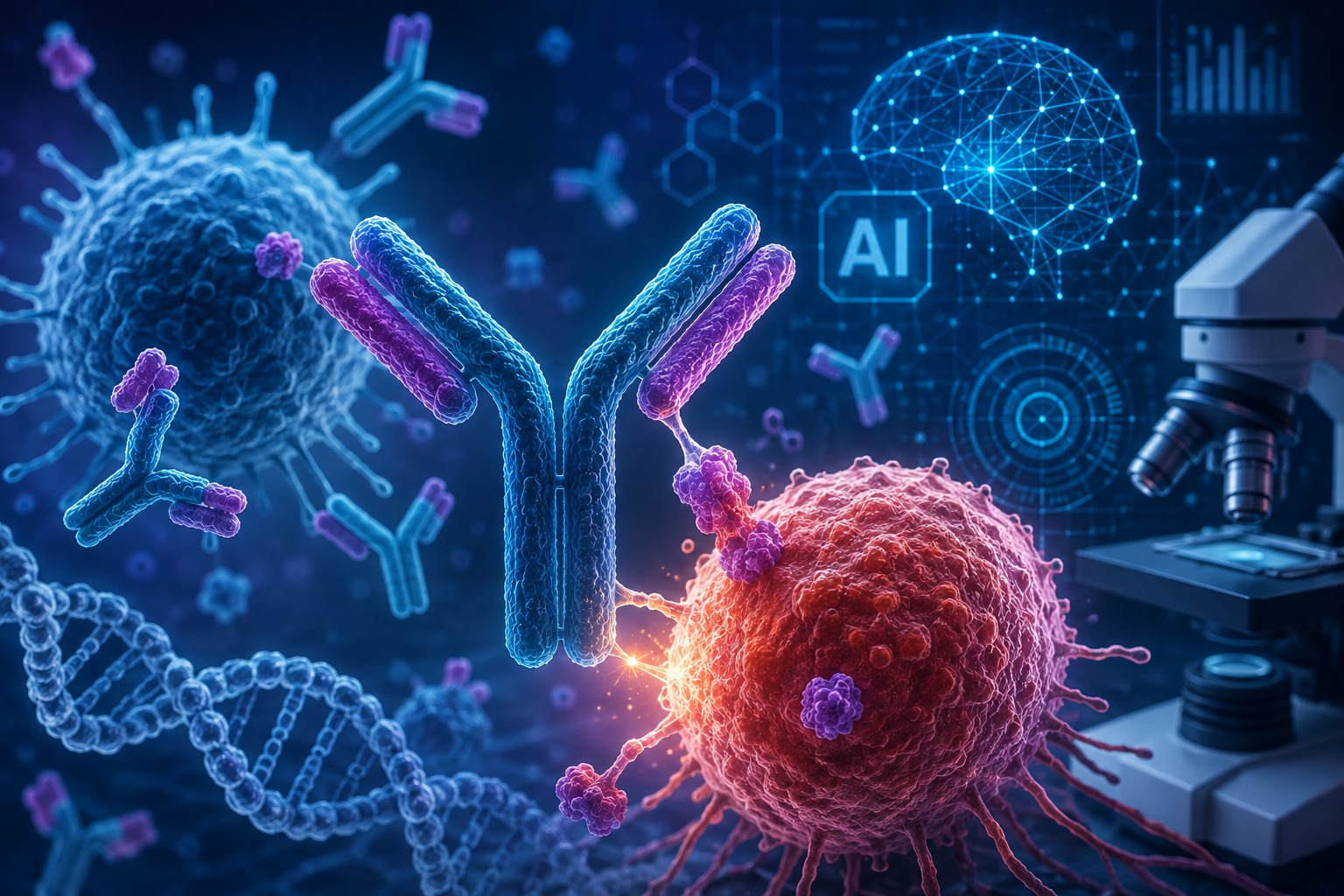
Antibodies are indispensable molecular recognition tools in biomedical research, enabling the detection, quantification, localization, and characterization of proteins and other target molecules. Their applications span cancer biology, immunology, infectious diseases, neuroscience, biomarker discovery, and drug development.
Traditional immunodetection methods remain fundamental to laboratory investigations. However, advances in antibody engineering, recombinant expression systems, computational protein design, and molecular characterization are expanding the capabilities of antibody-based research. Emerging technologies include multispecific antibodies, single-domain antibodies (nanobodies), antibody–drug conjugates (ADCs), and artificial intelligence (AI)-assisted antibody discovery [1-4].
Despite these advances, the reliability of antibody-based experiments depends on more than technological innovation. Antibody specificity, target accessibility, sample preparation, application-specific validation, and appropriate experimental controls remain essential determinants of data quality and reproducibility [5-7].
This article examines the scientific principles underlying antibody research in 2026, emerging technological developments, practical antibody selection criteria, and the importance of validation in modern laboratory workflows.
2. Understanding Research Antibodies
Antibodies, also known as immunoglobulins, are proteins that recognize specific molecular structures called epitopes. In research applications, this molecular recognition enables the detection or isolation of target antigens in complex biological samples.
Antibody performance is influenced by several factors, including binding affinity, specificity, epitope accessibility, antibody concentration, sample composition, and assay conditions. Consequently, an antibody's suitability must be evaluated in the context of the intended experimental application [5,6].
2.1 Major antibody formats
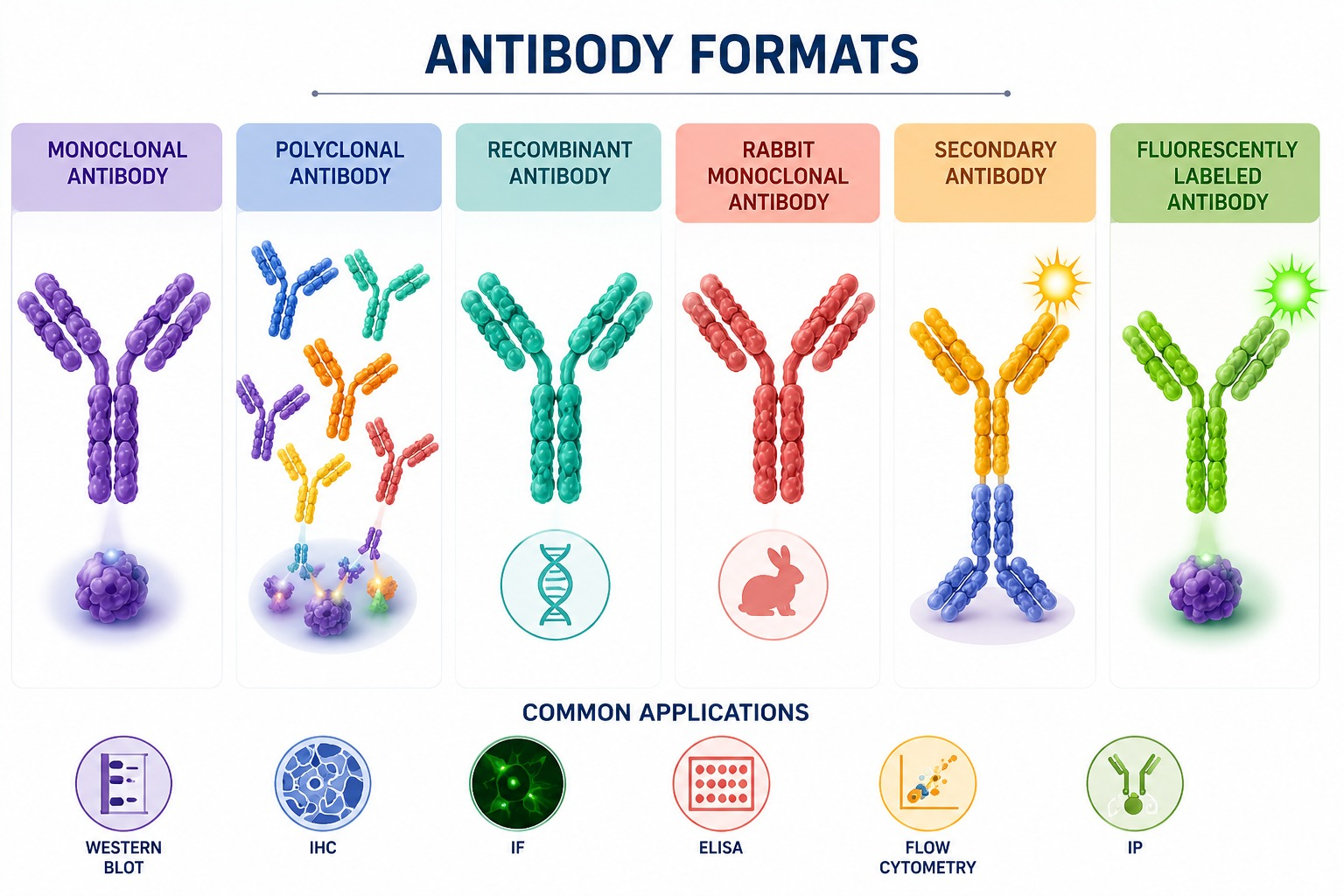
Monoclonal antibodies: These antibodies originate from a single antibody-producing clone or a defined antibody sequence and are generally directed against a specific epitope. They are useful when consistent target recognition is required, although specificity and performance must still be experimentally established.
Polyclonal antibodies: These preparations contain heterogeneous antibody populations that recognize multiple epitopes on the same antigen. They can provide strong detection signals but may exhibit greater lot-to-lot variability.
Recombinant antibodies: These are produced using defined antibody-encoding genetic sequences. Sequence-defined production can support molecular characterization and manufacturing consistency, although assay performance depends on the individual antibody and production process.
Primary antibodies: These bind directly to the target molecule and provide the principal molecular recognition step in many immunoassays.
Secondary antibodies: These recognize primary antibodies and may carry enzyme, fluorophore, or other detection labels. They can facilitate signal generation or amplification, depending on the assay design.
Directly labelled antibodies: These contain a detection label attached to the antibody itself, allowing target detection without a separate secondary antibody. Label selection and conjugation chemistry can influence binding activity and assay performance.
2.2 Key scientific consideration
No antibody format is universally superior. The appropriate choice depends on the biological target, experimental objective, sample type, detection platform, and required level of reproducibility.
3. Recombinant Antibodies: Engineering Consistency and Reproducibility
Recombinant antibody technology enables antibody production using defined genetic sequences, allowing researchers to investigate sequence–function relationships and produce characterized antibody variants. Conventional antibody preparations can exhibit variability associated with biological source material, production conditions, purification, and manufacturing batches. Recombinant approaches can help control certain sources of variation when sequence identity and production processes are maintained [5,8].
Important research applications include:
• Protein expression analysis and cellular pathway characterization.
• Biomarker identification and molecular profiling.
• Immunohistochemistry and immunofluorescence.
• Antibody engineering and functional characterization.
• Investigation of low-abundance or structurally complex targets.
Recombinant expression, however, does not automatically establish superior specificity, affinity, sensitivity, or application performance. The antibody must still be evaluated against the intended target, biological sample, and assay conditions.
For researchers, the most meaningful evidence includes sequence or clone identification, target specificity data, application-specific validation, and reproducible performance across appropriate experimental conditions.
4. Emerging Antibody Technologies in 2026
4.1 Bispecific and multispecific antibodies
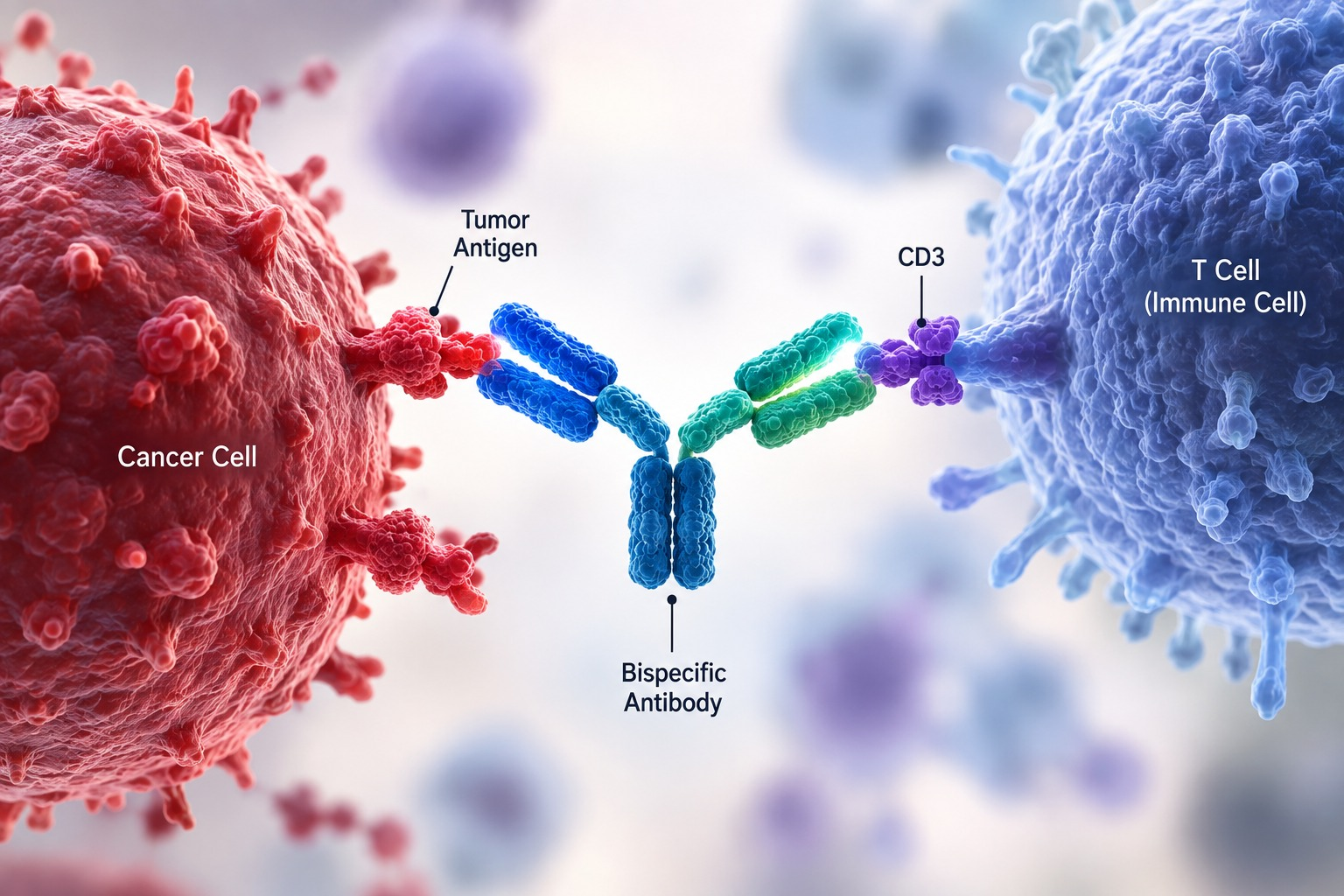
Bispecific antibodies are engineered to recognize two distinct antigens or epitopes, while multi-specific formats incorporate additional binding specificities. These molecules can enable biological interactions that are difficult to achieve using conventional monospecific antibodies [1,2]. Research applications include immune-cell engagement, simultaneous modulation of signalling pathways, tumour-targeting strategies, and investigations of complex cellular interactions.
Their performance depends on molecular architecture, binding affinity, target accessibility, biological context, and the functional relationship between their binding domains. These factors require careful characterization during antibody development.
4.2 Antibody–drug conjugates (ADCs)
Antibody-drug conjugates combine an antibody with a biologically active payload through a chemical linker. The antibody provides target recognition, while the linker and payload influence delivery, intracellular processing, and biological activity [3].
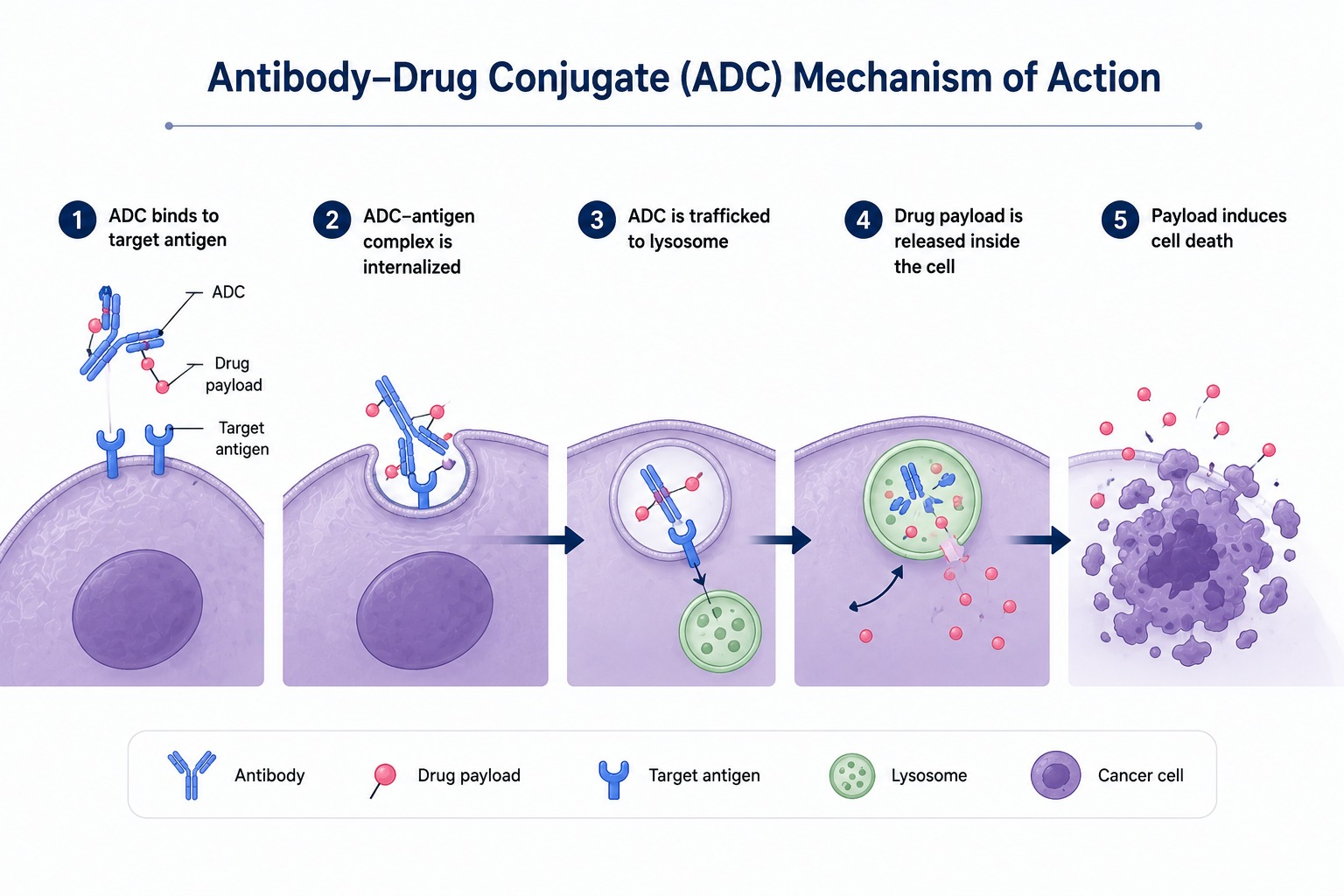
Current research areas include:
• Selection and characterization of target antigens.
• Linker stability and payload-release mechanisms.
• Antibody internalization and intracellular trafficking.
• Tumour heterogeneity and mechanisms of resistance.
• Conjugation chemistry and drug-to-antibody ratio.
Antibodies are also valuable tools for studying the expression and distribution of potential ADC targets in experimental models. However, target expression alone does not establish therapeutic effectiveness or safety; these outcomes depend on the complete molecular design and its biological behaviour [3].
4.3 Nanobodies and single-domain antibodies
Nanobodies are antigen-binding domains derived from the heavy-chain-only antibodies naturally found in camelids. Their compact structure provides opportunities for engineering, molecular imaging, and the investigation of targets that may be difficult to access using conventional antibody formats. Potential research applications include intracellular molecular studies, targeted imaging, protein detection, and the development of specialized binding reagents.
Their smaller size may offer advantages in certain experimental settings, but it can also affect circulation time, molecular retention, and detection characteristics. As with conventional antibodies, performance must be established for the intended target and assay.
4.4 Artificial intelligence in antibody discovery
AI and machine-learning methods are increasingly being investigated for antibody sequence analysis, protein structure prediction, candidate prioritization, and the design of proteins with desired molecular properties [4].
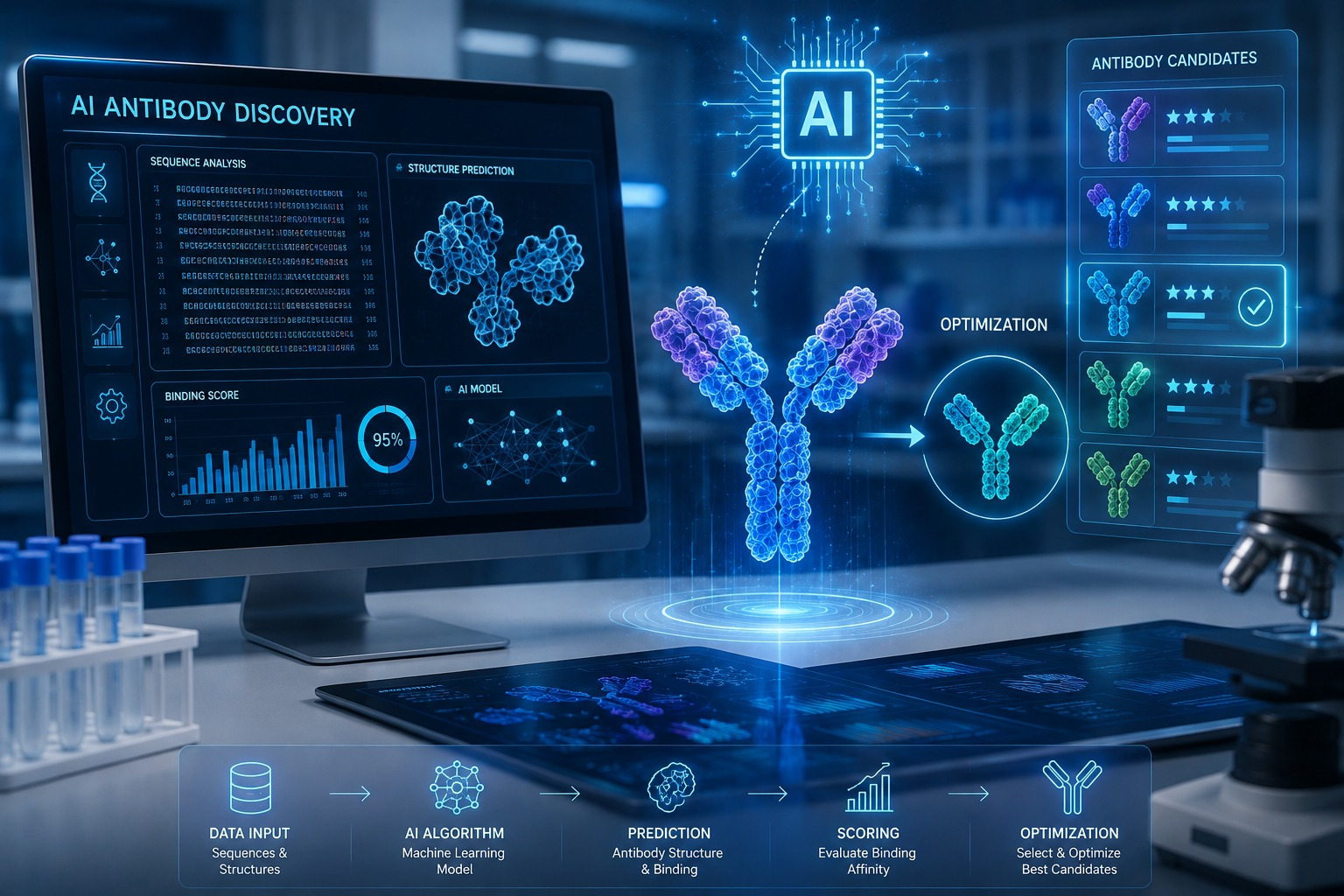
Computational approaches can help explore antibody sequence space, identify promising candidates, and prioritize experiments. Experimental studies have also demonstrated that protein language models can guide antibody sequence optimization under specific conditions [4].
Nevertheless, predicted structural compatibility or binding does not establish functional specificity. Laboratory confirmation remains necessary to evaluate binding affinity, cross-reactivity, stability, and biological activity. The most effective discovery workflows combine computational predictions with experimental screening and iterative optimization.
5. Antibody Validation: A Foundation for Reliable Research
Antibody validation is a central requirement for generating interpretable and reproducible experimental data. An antibody that performs successfully in one application may produce different results in another because each technique presents distinct molecular and analytical challenges [5-7].
For example, Western blotting generally involves protein denaturation, whereas immunohistochemistry depends on epitope accessibility in fixed tissue. An antibody that recognizes a denatured protein may therefore show different performance when the same target is examined in tissue sections. Inadequate specificity or inappropriate experimental conditions can produce nonspecific bands, background staining, weak signals, or misleading conclusions.
5.1 Common antibody applications
5.1.1 Western blotting (WB): Detects target proteins in prepared samples and provides information about apparent molecular weight and relative protein abundance when appropriately controlled.
5.1.2 Immunohistochemistry (IHC): Enables the detection and spatial localization of target antigens in tissue sections.
5.1.3 Immunofluorescence (IF): Supports visualization of proteins and their subcellular distribution using fluorescence-based detection.
5.1.4 Enzyme-linked immunosorbent assay (ELISA): Enables the detection or quantification of target molecules through antigen-antibody interactions and a measurable detection system.
5.1.5 Flow cytometry (FC): Facilitates the measurement of cellular markers and characterization of cell populations, including multiparameter immunophenotyping.
5.1.6 Immunoprecipitation (IP): Isolates target proteins from biological samples and can support the investigation of protein interactions when suitable experimental conditions are used.
5.1.7 Immunocytochemistry (ICC): Enables the localization of antigens in cultured cells and other cellular preparations.
Validation evidence should correspond to the specific application rather than relying solely on the fact that an antibody has been tested in another assay [6,7].
5.2 A practical antibody selection framework
Before purchasing or using an antibody, researchers should evaluate the following criteria:
1. Target identity: Confirm the target protein, isoform, gene product, or epitope of interest.
2. Species reactivity: Verify compatibility with the species from which the sample originates.
3. Application validation: Check whether supporting data are available for the exact experimental technique.
4. Specificity: Review relevant controls, expected molecular weight, staining patterns, and potential cross-reactivity.
5. Antibody format: Select a monoclonal, polyclonal, recombinant, or labelled format based on the experimental objective.
6. Detection compatibility: Confirm that the antibody label, secondary antibody, or detection system is compatible with the instrument and assay design.
7. Documentation: Review the datasheet, recommended protocol, storage conditions, clone information, and available lot-specific evidence.
These criteria help distinguish between general product claims and evidence that directly supports the intended experimental application.
5.3 Improving reproducibility through experimental controls
A reproducible antibody workflow requires systematic optimization of antibody concentration, incubation time, blocking conditions, sample preparation, and detection settings. Depending on the assay, positive controls, negative controls, secondary-only controls, knockout or knockdown samples, and orthogonal confirmation methods can help evaluate specificity and background signal [5-7]. Researchers should also document the antibody identifier, clone, lot number, dilution, incubation conditions, sample preparation method, and image or data-analysis parameters. Standardized documentation makes it easier to investigate unexpected results, compare experiments, and identify potential sources of variability.
6. Applications of Antibodies in Biomedical Research
Antibodies provide versatile tools for investigating molecular mechanisms across multiple research disciplines.
6.1 Cancer biology: Antibodies targeting proteins such as p53, Ki-67, EGFR, and PD-L1 can support investigations of tumour biology, cellular proliferation, signalling pathways, and immune regulation. The interpretation of each marker depends on the biological context and the validated assay.
6.2 Immunology: Antibodies against immune-cell markers, cytokines, receptors, and inflammatory mediators support the characterization of immune responses and cellular phenotypes.
6.3 Infectious disease research: Antibodies enable the investigation of pathogen-associated antigens, host-response pathways, and molecular mechanisms involved in infection.
6.4 Neuroscience: Antibody-based methods support the examination of neuronal markers, synaptic proteins, and pathways associated with neurological function.
6.5 Cell signalling: Phosphorylation-specific and pathway-associated antibodies can help investigate receptor activation, intracellular communication, and cellular responses to experimental treatments.
6.6 Biomarker research: Antibodies facilitate the detection and characterization of candidate biomarkers in cells, tissues, and biological fluids.
6.7 Drug discovery: Antibody-based assays support target characterization, mechanism-of-action studies, and assessment of biological responses to candidate compounds.
Across these applications, scientific conclusions should be supported by appropriate controls and evidence that the antibody performs reliably in the experimental system being investigated.
7. Selecting Antibodies for Modern Laboratory Workflows
Antibody selection should begin with the scientific question rather than the product category alone.
A structured workflow can help researchers make informed decisions:
1. Define the target and experimental objective.
2. Identify the sample type, species, and biological context.
3. Select an antibody with relevant application-specific validation.
4. Evaluate specificity, sensitivity, and available supporting evidence.
5. Establish appropriate controls and optimize assay conditions.
6. Record reagent details and assess reproducibility before comparing results.
Researchers should also determine whether a directly labelled primary antibody, an unconjugated primary antibody with a secondary detection system, or a recombinant antibody format best meets the requirements of the assay. Product selection should consider scientific suitability alongside practical factors such as pack size, availability, storage requirements, protocol support, and total experimental cost. A systematic approach can reduce avoidable troubleshooting and improve confidence in experimental results.
8. Universal Biotechnology: Antibody Solutions for Research
Universal Biotechnology provides access to research antibodies from established suppliers, including GeneTex, Cloud-Clone, Affinity Biosciences, and Elabscience. The available portfolio includes different antibody formats and products intended to support a range of laboratory applications, including:
• Monoclonal and polyclonal antibodies.
• Recombinant antibodies.
• Primary and secondary antibodies.
• Fluorescently labelled antibodies.
• Antibodies for Western blotting, immunohistochemistry, immunofluorescence, ELISA, and flow cytometry.
Because antibody performance is target- and application-dependent, researchers should consult the individual product datasheet to confirm species reactivity, recommended applications, storage requirements, and available validation evidence.
Explore the antibody portfolio:
https://www.unibiotech.in/category/antibodies.html
8.1 Research-use considerations
Before incorporating an antibody into an experimental workflow, researchers should review the product's intended use, technical specifications, handling instructions, and supporting performance data.
Products designated for Research Use Only (RUO) are intended for laboratory research and should not be represented as clinically validated diagnostic reagents unless the relevant regulatory authorization and intended-use requirements have been satisfied. Scientific suitability should be assessed independently of marketing claims, with particular attention to the evidence available for the intended experimental application.
9. Emerging Directions in Antibody Research
The future of antibody research will be influenced by continued advances in recombinant engineering, computational design, multispecific formats, molecular characterization, and standardized validation practices. These developments offer opportunities to investigate increasingly complex biological systems and develop specialized molecular recognition tools. However, challenges involving cross-reactivity, target accessibility, assay variability, and reproducibility remain significant.
AI-assisted discovery may accelerate candidate identification and optimization, but computational predictions must be integrated with experimental evidence. Similarly, recombinant production can improve control over antibody identity without eliminating the need for application-specific validation. The central objective is therefore not simply to adopt newer technologies, but to establish that the selected reagent produces meaningful, interpretable, and reproducible results under the intended experimental conditions.
10. Conclusion
Antibody research in 2026 encompasses established immunodetection methods alongside advances in recombinant engineering, nanobodies, multispecific formats, ADCs, and AI-assisted discovery. These technologies are expanding the tools available to investigate disease biology, molecular interactions, biomarkers, and potential therapeutic targets.
Nevertheless, reliable antibody-based research continues to depend on selecting reagents that match the target, sample type, and intended application. Appropriate validation, experimental controls, transparent documentation, and standardized laboratory procedures remain essential for reproducible scientific outcomes.
Universal Biotechnology supports research workflows by providing access to a diverse portfolio of antibody products from established suppliers.
Looking for an antibody for your research?
Explore the antibody portfolio or contact the Universal Biotechnology team for product-related assistance.
• Antibody portfolio: https://www.unibiotech.in/category/antibodies.html
• Website: https://www.unibiotech.in/
• Email: info@unibiotech.in
• Phone: +91 9910 73 8844
References
1. Klein C, Brinkmann U, Reichert JM, et al. The present and future of bispecific antibodies for cancer therapy. Nature Reviews Drug Discovery. 2024;23:301–319.
2. Goebeler ME, Stuhler G, Bargou R. Bispecific and multispecific antibodies in oncology: opportunities and challenges. Nature Reviews Clinical Oncology. 2024;21:539–560.
3. Tsuchikama K, Anami Y, Ha SYY, Yamazaki CM. Exploring the next generation of antibody–drug conjugates. Nature Reviews Clinical Oncology. 2024;21:203–223.
4. Wu W, Pak JE, et al. Efficient evolution of human antibodies from general protein language models. Nature Biotechnology. 2024;42:275–283.
5. Bradbury A, Plückthun A. Reproducibility: standardize antibodies used in research. Nature. 2015;518:27–29.
6. Uhlén M, Bandrowski A, Carr S, et al. A proposal for validation of antibodies. Nature Methods. 2016;13:823–827.
7. Pillai-Kastoori L, Heaton S, Shiflett SD, Roberts AC, Solache A, Schutz-Geschwender AR. Antibody validation for Western blot: by the user, for the user. Journal of Biological Chemistry. 2020;295(4):926–939.
8. Lu RM, Hwang YC, Liu IJ, et al. Development of therapeutic antibodies for the treatment of diseases. Journal of Biomedical Science. 2020;27:1.
9. Howat WJ, Lewis A, Jones P, et al. Antibody validation of immunohistochemistry for biomarker discovery: recommendations of a consortium of academic and pharmaceutical based histopathology researchers. Methods. 2014;70(1):34–38.
10. Acharya P, Quinlan A, Neumeister V. The ABCs of finding a good antibody: how to find a good antibody, validate it, and publish meaningful data. Journal of Histochemistry & Cytochemistry. 2017;65(5):317–327.