
Introduction
Antibodies have become essential tools in modern biomedical research and healthcare. They are widely used for disease diagnosis, biomarker discovery, protein analysis, and therapeutic development.
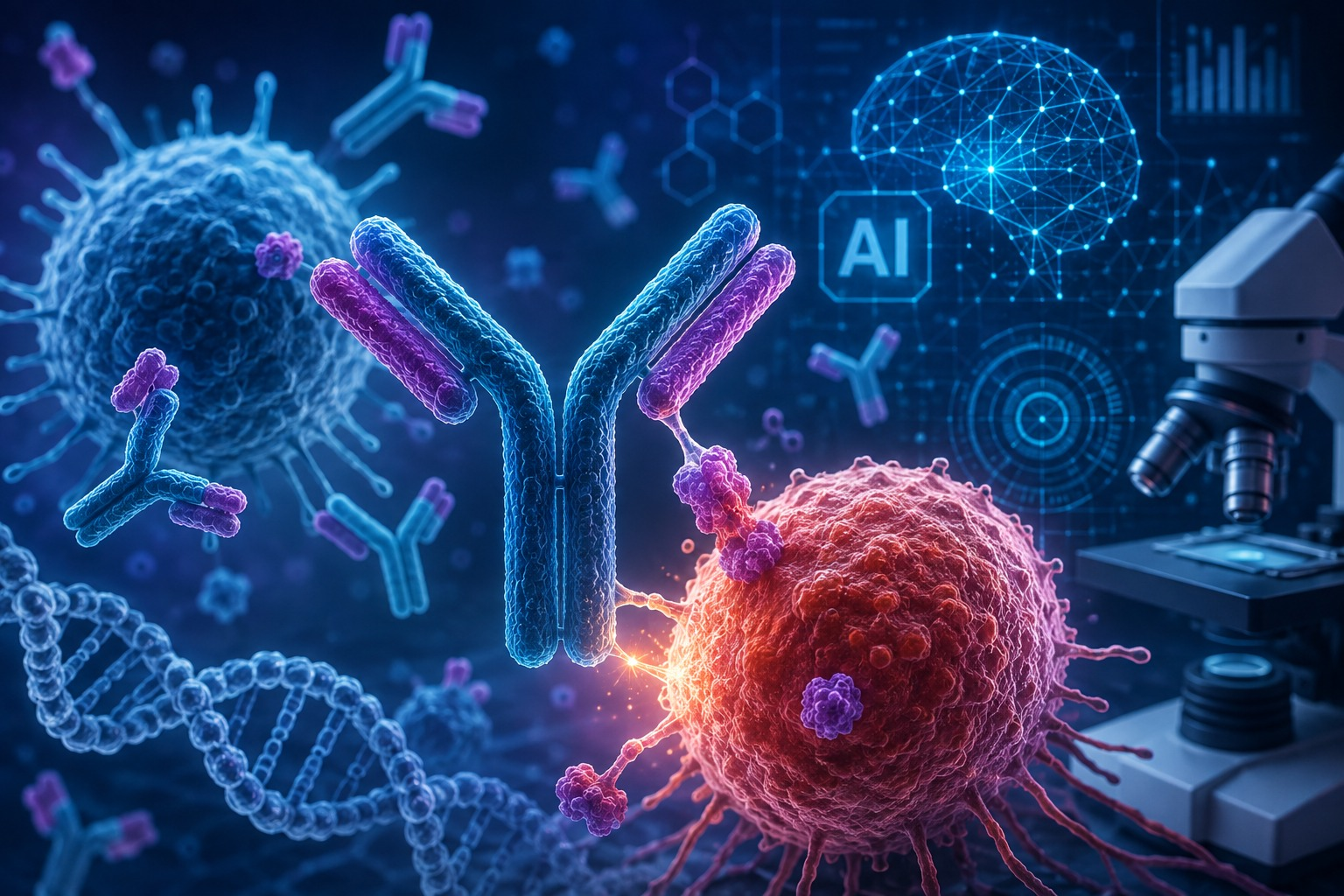
As biomedical research continues to advance, antibody technologies are also evolving. Innovations such as bispecific antibodies, antibody-drug conjugates (ADCs), recombinant antibodies, and artificial intelligence (AI)-driven antibody discovery are creating new possibilities for researchers studying cancer, autoimmune disorders, infectious diseases, and other complex conditions.
In this article, we explore the latest developments in antibody research and the importance of selecting high-quality, validated research antibodies.
The Rise of Next-Generation Antibodies
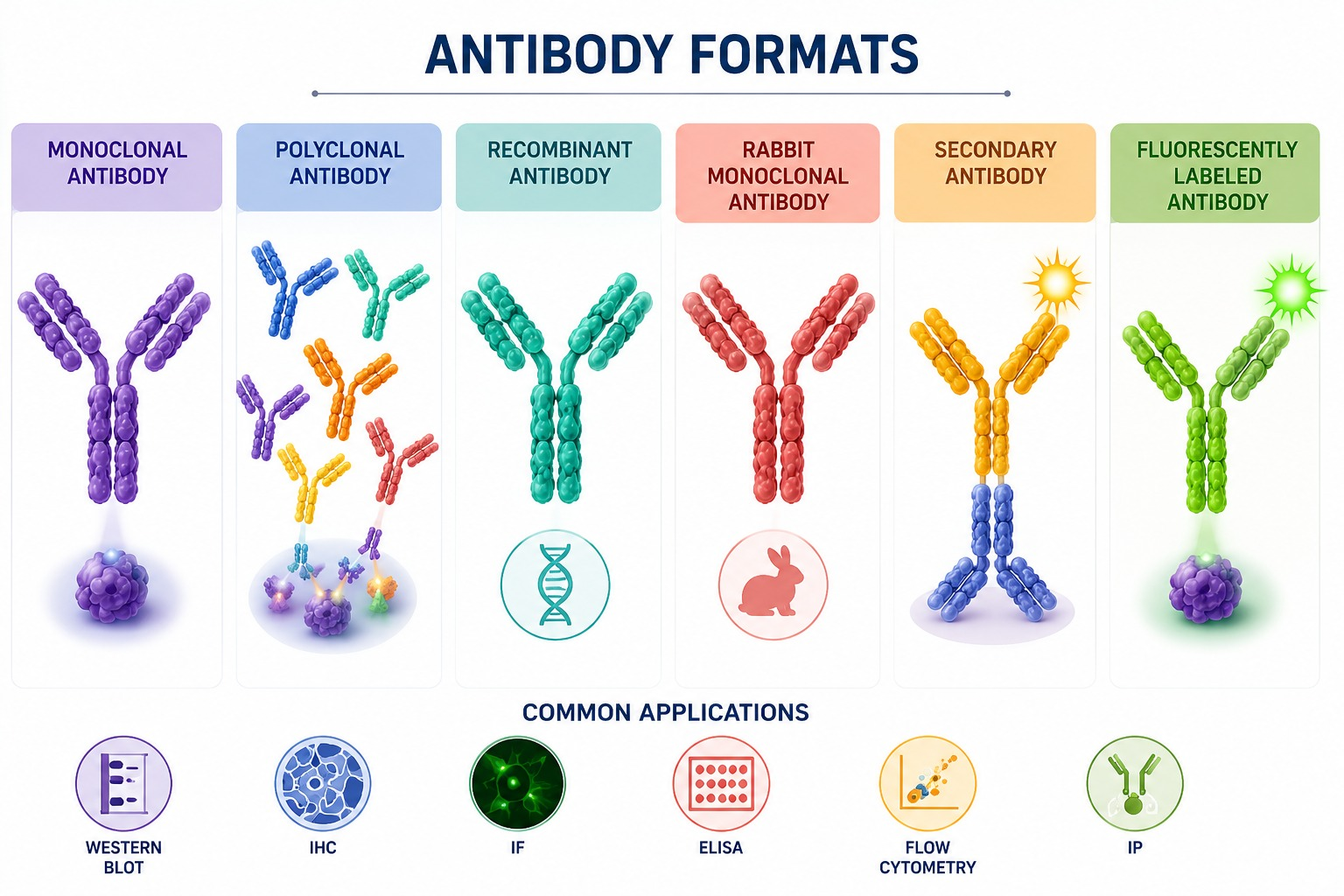
Traditional monoclonal antibodies have been widely used in research for decades. Today, researchers have access to a broader range of antibody formats designed to provide greater specificity, sensitivity, and reproducibility.
Commonly used research antibody formats include:
* Recombinant antibodies
* Monoclonal antibodies
* Polyclonal antibodies
* Secondary antibodies
* Fluorescently labeled antibodies
* Rabbit monoclonal antibodies
These technologies can help researchers achieve more consistent results across different experimental applications.
Breakthrough #1: Bispecific Antibodies
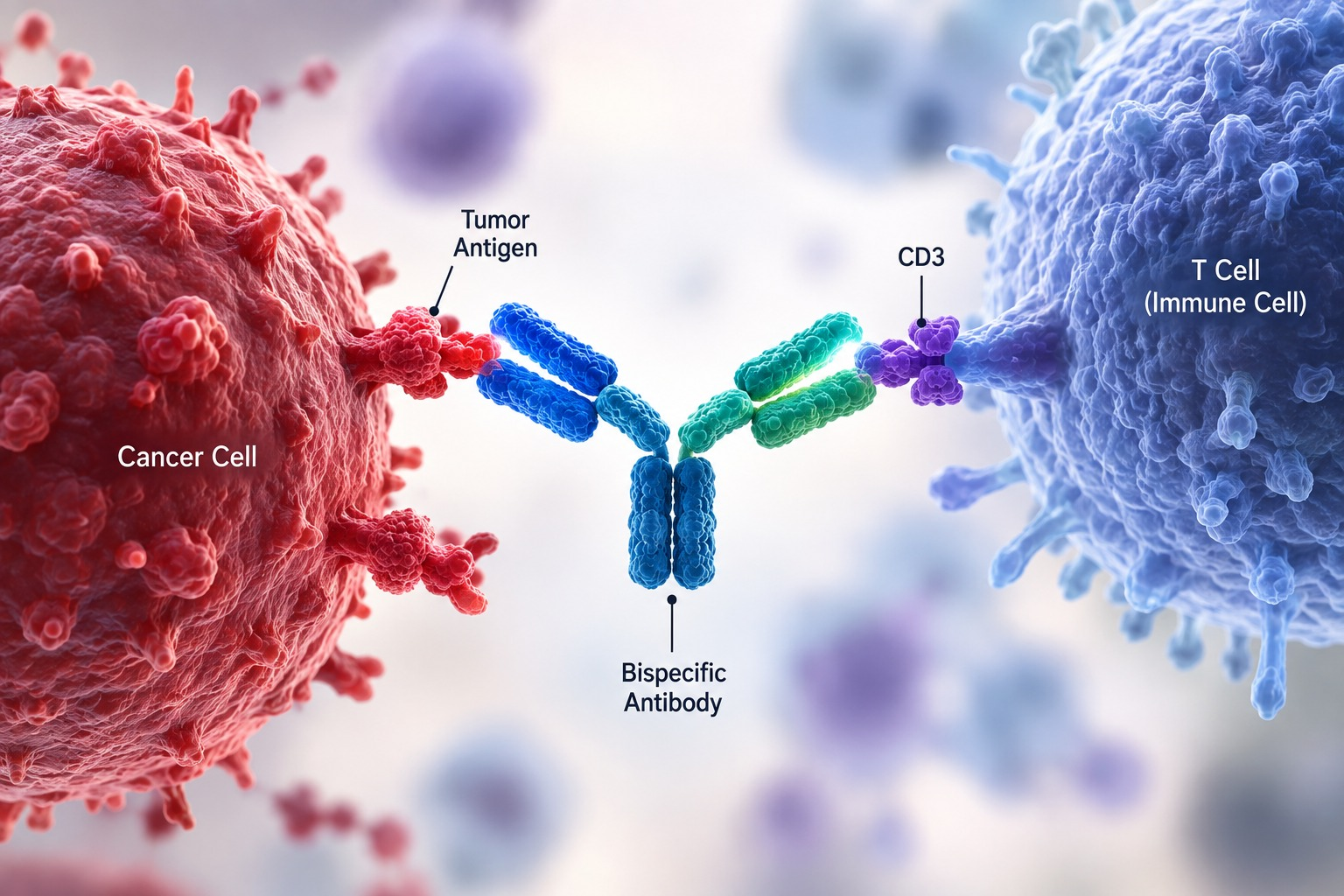
Bispecific antibodies are among the most promising developments in modern antibody research.
Unlike conventional antibodies that target a single antigen, bispecific antibodies are engineered to recognize two different targets simultaneously. This can help researchers investigate complex biological interactions and improve targeted immune responses.
Current research is exploring bispecific antibodies in areas including:
* Cancer immunotherapy
* Autoimmune diseases
* Hematological disorders
* Precision medicine
Their ability to interact with multiple targets makes bispecific antibodies an important area of next-generation biomedical research.
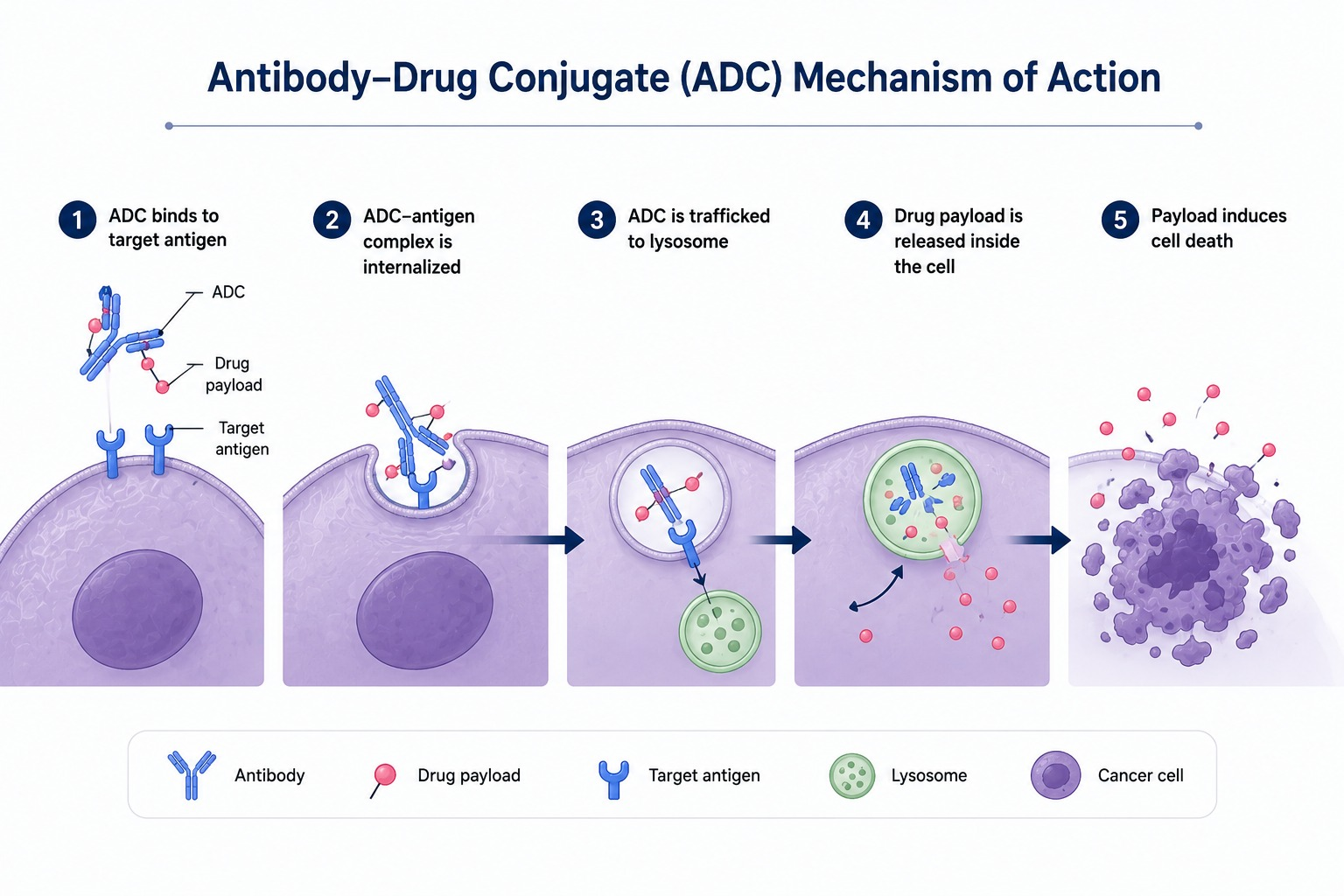
Breakthrough #2: Antibody-Drug Conjugates (ADCs)
Antibody-drug conjugates (ADCs) combine the targeting ability of antibodies with potent therapeutic molecules.
An ADC is designed to recognize a specific target on a cell and deliver its therapeutic payload to that target. This targeted approach has made ADCs an important area of research in oncology and drug development.
As research into targeted therapies continues to expand, ADC technology is expected to remain an important part of next-generation antibody development.
Breakthrough #3: Artificial Intelligence in Antibody Discovery
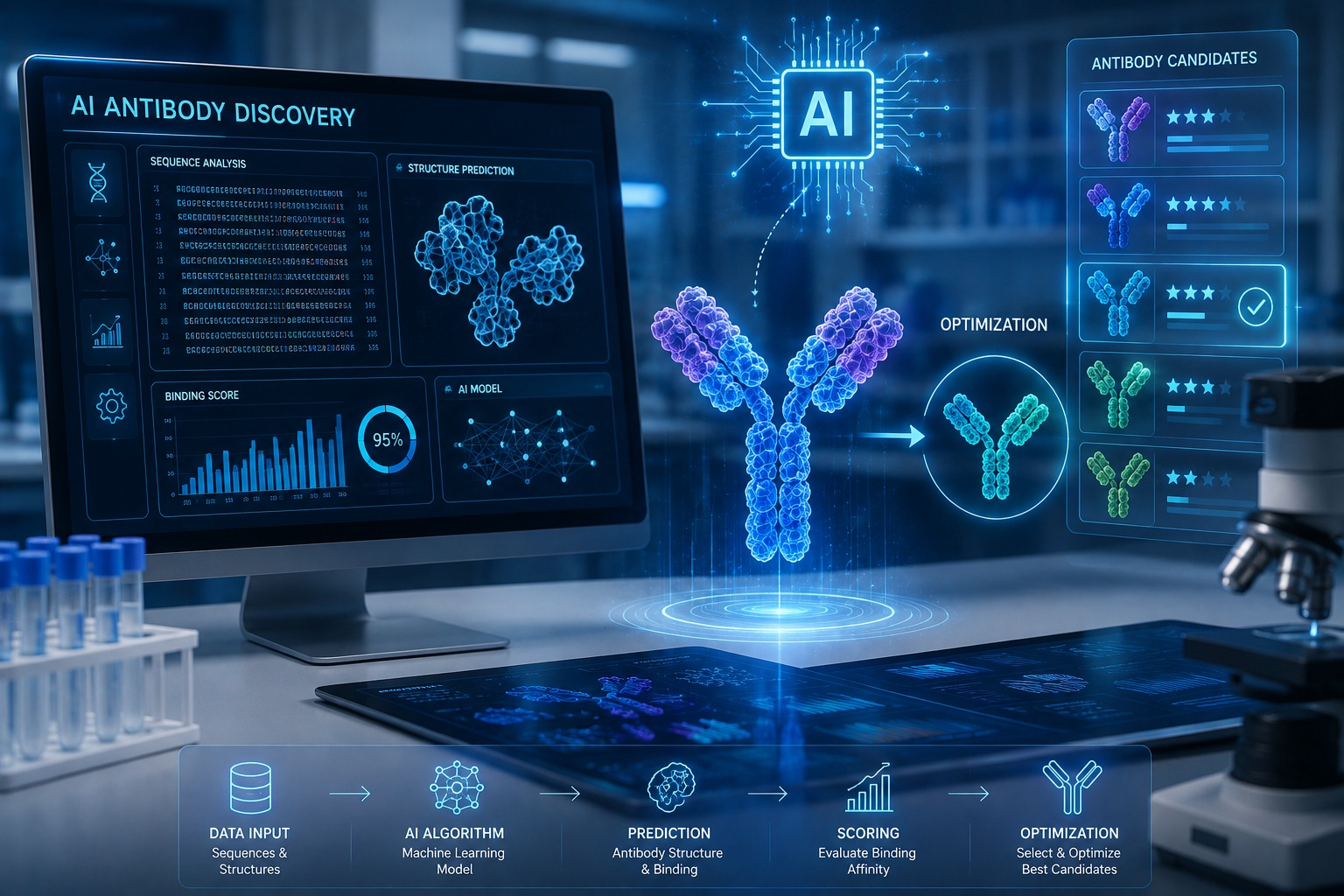
Artificial intelligence is transforming the way researchers discover and engineer antibodies.
AI-based approaches can help scientists:
* Predict antibody-antigen interactions
* Identify promising antibody candidates
* Optimize antibody affinity
* Predict potential epitopes
* Accelerate antibody engineering
By analyzing large biological datasets, AI can help reduce the time required to identify promising candidates and support more efficient antibody development.
Why High-Quality Research Antibodies Matter
Advanced technologies are only as reliable as the reagents used in the experiment. Poor-quality or insufficiently validated antibodies can contribute to inconsistent results, high background staining, weak signals, and cross-reactivity.
Researchers should therefore select antibodies that are validated for their intended applications, including:
* Western Blot (WB)
* Immunohistochemistry (IHC)
* Immunofluorescence (IF)
* ELISA
* Flow Cytometry (FC)
* Immunoprecipitation (IP)
Application-specific validation can improve experimental confidence and reproducibility.
Applications of Research Antibodies
Research antibodies support a wide range of biomedical applications. They are used to detect and study proteins, investigate disease mechanisms, identify biomarkers, and validate experimental findings.
Key applications include:
* Protein expression analysis
* Biomarker research
* Cancer research
* Immunology and infectious disease research
* Cell signaling studies
* Diagnostic research
* Drug discovery and development
The appropriate antibody format and validation profile depend on the target, sample type, and experimental application.
Emerging Trends in Antibody Research
The future of antibody research is being shaped by advances in AI, recombinant antibody technology, nanobodies, and multispecific antibodies.
These innovations are helping researchers develop antibodies with improved specificity, sensitivity, and reproducibility while supporting faster discovery and development.
As these technologies mature, antibody-based approaches are expected to play an increasingly important role in precision medicine, diagnostics, and therapeutic research.
Choosing the Right Research Antibody
Selecting a well-validated antibody is essential for reliable experimental results. Researchers should consider the target, species reactivity, antibody format, intended application, and available validation data.
Application-specific validation for techniques such as Western Blot, IHC, IF, ELISA, Flow Cytometry, and Immunoprecipitation can help improve experimental consistency and reproducibility.
Supporting Modern Antibody Research
Universal Biotechnology provides a range of research antibodies designed to support researchers across different life science applications.
Our antibody solutions include:
* Monoclonal antibodies
* Polyclonal antibodies
* Recombinant antibodies
* Rabbit monoclonal antibodies
* Secondary antibodies
* Fluorescently labeled antibodies
These antibody solutions support applications including Western Blot, IHC, IF, ELISA, Flow Cytometry, and Immunoprecipitation.
By providing reliable research reagents, Universal Biotechnology aims to support researchers in generating consistent and dependable experimental results.
Conclusion
Next-generation antibody technologies are transforming biomedical research, diagnostics, and therapeutic development. From bispecific antibodies and ADCs to recombinant technologies and AI-driven antibody discovery, these innovations are creating new opportunities for researchers worldwide.
At the same time, selecting high-quality and application-validated antibodies remains essential for obtaining reliable and reproducible research results.
As antibody science continues to advance, the combination of innovative technologies and dependable research reagents will help accelerate discoveries across biomedical science.
Explore Universal Biotechnology's antibody solutions to support your next research breakthrough.
Link to: https://www.unibiotech.in/category/antibodies.html